
DIY Parasite Prevention: Grooming Tips Every Dog Owner Should Try
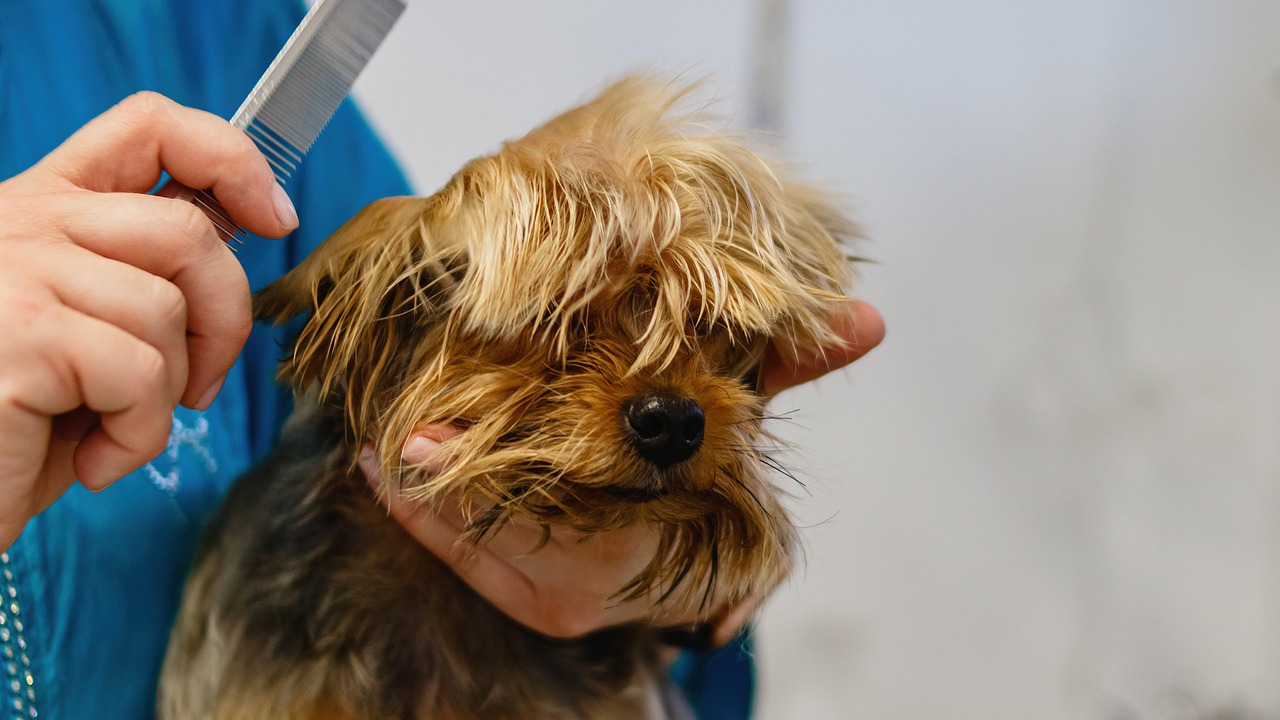
Grooming your dog regularly is essential, not just for their appearance but also for their health. Parasites such as fleas, ticks, and worms can pose serious threats to your dog’s well-being. Regular grooming can significantly help in identifying and reducing the chances of parasite infestations. Start by brushing your dog’s coat thoroughly, which helps in detaching any potential parasites. Ensure you use the right tools depending on your dog’s fur type. For instance, a slicker brush works well for medium to long-haired dogs, while a bristle brush is perfect for short-haired breeds. Additionally, during the grooming process, it’s crucial to inspect your dog’s skin for any signs of irritation, redness, or unpleasant odors, which may indicate an existing issue that needs addressing. Early detection is key. Also, consider using a flea comb to comb through the fur, as it helps catch fleas and their eggs before they breed and infest your home. Remember, grooming isn’t just about making your dog look presentable; it’s about keeping them healthy.
Choosing the Right Products for Grooming Your Dog
The selection of grooming products plays a significant role in preventing parasites. Always opt for shampoos that are specifically designed to resist fleas, ticks, and other environmental parasites. Regular baths utilizing these shampoos can create a protective barrier on your dog’s skin, helping to ward off undesired guests. Additionally, consider using conditioners with natural ingredients that nourish the skin while providing further protection against parasites. Many pet owners are also turning to all-natural grooming products, which are free of harsh chemicals that can harm your dog. Another important tool is an effective flea treatment that can be administered topically or via oral medications. Consult with your veterinarian to find the best preventive treatments based on your dog’s breed, age, and health condition. Remember to follow any instructions on usage carefully. By incorporating these products into your grooming routine, you not only enhance your dog’s coat but also foster an environment that is less hospitable to pesky parasites.
Beyond using the right products, maintaining a clean grooming environment is essential for effective parasite prevention. Always sanitize your grooming tools after each session to ensure that you’re not spreading any stray parasites from one grooming session to the next. Wash any grooming apparel, such as towels or capes, to eliminate residual parasites and their eggs. Regularly vacuum the area where your dog is groomed and consider washing their sleeping areas often, as these are common spots for parasites to lurk. Don’t forget to treat your home with reputable flea and tick products, focusing on carpets and furniture where your dog frequently rests. Creating a clean grooming environment signals to pests that this is not an ideal living space for them. Remember, a proactive approach is necessary to maintain your dog’s overall health. Dedicating time to create a clean grooming workspace ensures that your efforts don’t go unnoticed by unwanted parasites, thus complementing your overall grooming routine.
Grooming Techniques for Parasite Prevention
Incorporating specific grooming techniques into your routine can significantly enhance your efforts in parasite prevention. One effective method is to keep your dog’s fur short, especially during warmer months, as longer fur can potentially harbor more parasites. If your dog has a longer coat, make sure to take extra care in ensuring it remains free from tangles and mats. Mats can create a breeding ground for parasites. Regularly check and clean your dog’s ears since they are also a hotspot for certain parasites and infections. Examine between their toes as well, as fleas can often hide in these areas. Another valuable technique is applying natural oils, such as coconut or neem oil, to repel parasites effectively. These oils are safe for most dogs and can be a beneficial addition to their grooming routine. Additionally, consider bathing your dog after walks in nature or public places to wash off any hitchhiking parasites. Sticking to a consistent grooming schedule that includes these techniques will contribute greatly to your dog’s health and comfort.
Feeding your dog a healthy diet greatly affects their skin and coat health, which in turn plays a role in preventing parasites. Consult with your veterinarian to choose high-quality dog food that supports a strong immune system and healthy skin. Omega-3 and Omega-6 fatty acids are great for maintaining coat health, making it less conducive for parasites. Moreover, a well-fed dog is less likely to have skin issues and is better equipped to fend off infestations. Remember that hydration is key; always provide fresh water for your dog. Hydrated skin is less prone to irritation and problems that could attract parasites. Additionally, introducing supplements specifically designed for skin and coat health can further enhance your dog’s defense against parasites. As you groom your dog, look for any signs of skin issues like dryness or sensitivity, which might indicate an underlying nutritional deficiency. Keeping a balance of good nutrition and hygiene is vital to holistic parasite prevention, ensuring that grooming efforts are effective in the long run.
Regular Vet Check-ups for Effective Prevention
While DIY grooming tips can significantly aid in parasite prevention, regular veterinary check-ups remain a crucial aspect of overall health for your furry friend. A vet can provide professional grooming advice and identify any early signs of parasites that might not be immediately visible to a pet owner. Furthermore, regular exams can help detect any other underlying health issues that could make your dog more susceptible to parasites. Depending on your dog’s lifestyle, your veterinarian might recommend specific flea and tick medications tailored to your dog’s needs. Additionally, keep your vaccinations up to date as certain diseases carried by parasites can be prevented. Your vet may also provide advice on adjusting your grooming routine based on seasonal changes when parasite activities are at their peak. Gathering all these insights from a health professional ensures a comprehensive approach to your dog’s health. Connecting grooming practices to veterinary advice bolsters your efforts in maintaining a parasite-free environment, rounding out a complete prevention strategy.
By implementing these grooming tips into your routine, you elevate your efforts in keeping your dog free from pesky parasites. Always remember that regular grooming is not just a chore; it’s a bonding experience between you and your dog, reinforcing trust and affection. Maintaining a strict hygiene regime benefits your pet for years to come and offers peace of mind for you as a responsible dog owner. Engage in thorough grooming sessions that not only focus on aesthetics but also focus on health. Make sure to research the specific parasites prevalent in your area, as this can enhance your grooming strategy. Engaging in conversations with other dog owners can also yield useful information and tips that may aid in your parasite prevention efforts. Above all, stay consistent with your efforts, as a proactive approach will make all the difference in mitigating the risks posed by parasites. With these tips, you are well-equipped to tackle any challenges that come your way in protecting your furry friend from unwanted pests.
Conclusion: A Combined Approach for Optimal Health
In conclusion, a combination of diligent grooming, the right products, and veterinary advice creates a robust strategy against parasites. Empowering yourself with knowledge and preventive techniques will not only enhance your dog’s quality of life but also create a safe environment for both of you. Developing a consistent routine that encompasses all the grooming tips mentioned will be advantageous in maintaining your dog’s health and appearance for years to come. Embrace the opportunity to bond during these grooming sessions, reinforcing your relationship with your pet while also ensuring their well-being. Frequent grooming can truly become a time of positive interaction. Always keep an eye out for any developments related to your dog’s skin health and behavior; changes may indicate underlying health issues or parasite presence. An informed owner is the best protector against health threats. Make these grooming practices an essential part of dog ownership, and you will feel a sense of accomplishment witnessing your dog thrive. With commitment and care, achieving a parasite-free life for your dog is absolutely within reach.