
Essential Sanitation Practices for Cat Grooming at Home
When it comes to grooming cats at home, maintaining high standards of sanitation is crucial for the health and well-being of your feline friend. Begin by gathering all the necessary tools such as brushes, combs, and scissors. Before starting, ensure that these items are clean and free from debris or hair. A simple wipe with a disinfectant can make a significant difference. Additionally, designate a specific grooming area in your home that is easy to clean. This helps to contain any mess that might occur during the grooming process. Regularly sanitize the grooming area, including any surfaces that come into direct contact with your cat. Always have a vacuum cleaner or lint roller on hand to tackle fur that spills over from the grooming process. Keeping a clean environment not only helps in maintaining hygiene but also keeps your cat comfortable and relaxed. Remember that a clean grooming area is essential for preventing skin infections and other health issues that could arise from unclean practices. By adhering to good sanitation practices, you ensure that grooming times are safe and enjoyable for both you and your cat.
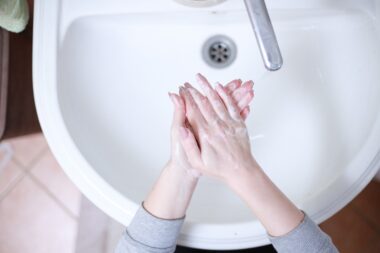
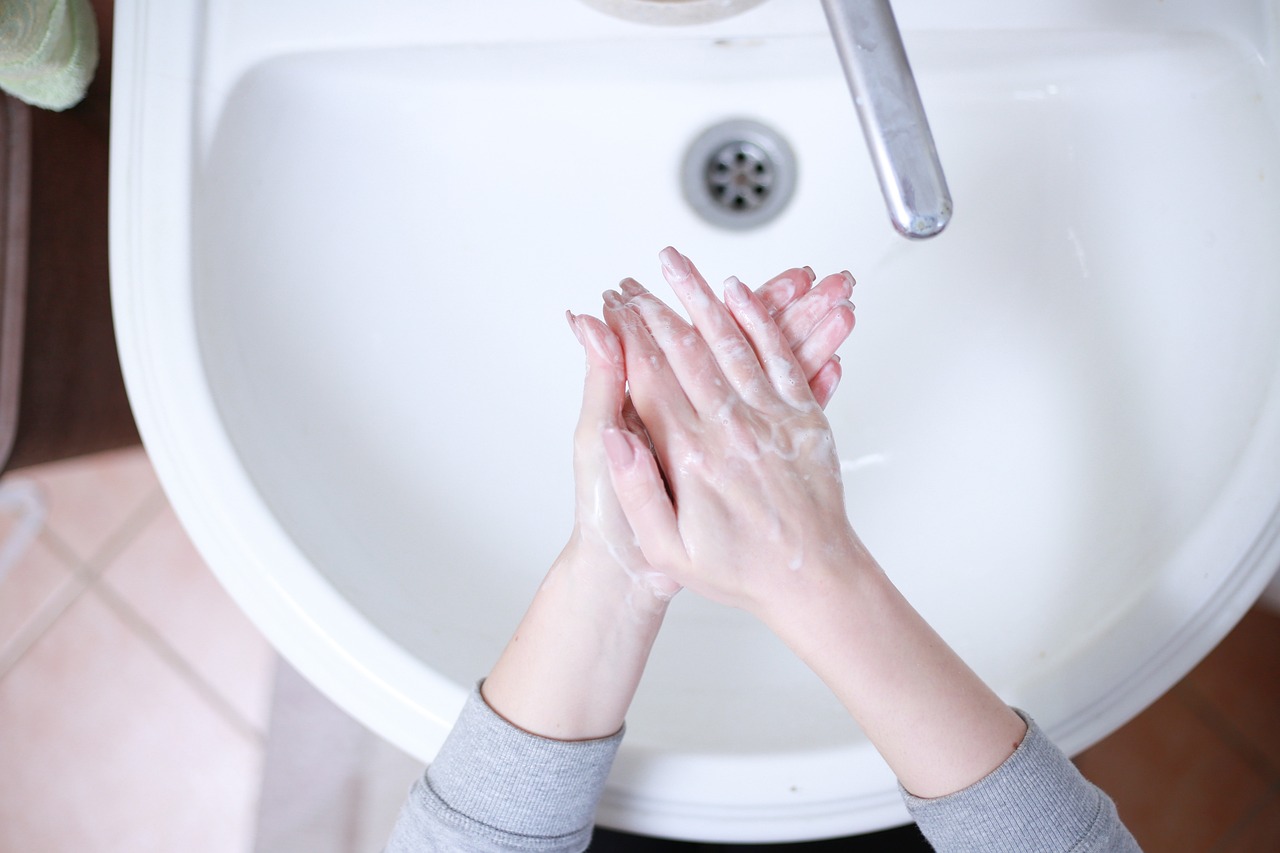
Another critical aspect of sanitation in cat grooming is washing your hands before and after handling your pet. Cats can carry various bacteria and parasites, so it is essential to keep your hands clean. Use soap and warm water, washing thoroughly for at least 20 seconds. Consider using disposable gloves during grooming sessions, especially if your cat has sensitive skin or allergies. After grooming, wash your hands again to ensure that any allergens or contaminants are removed. Furthermore, clearing away cat hair and dander is crucial in maintaining the sanitation of the grooming area. Invest in proper cleaning supplies like enzyme-based cleaners that break down organic matter and eliminate odors effectively. Regular cleaning not only promotes a healthier environment but also reduces the risk of allergies affecting both humans and pets. It’s a great idea to establish a cleaning routine right after grooming sessions. A simple vacuum or broom can help manage the mess created. By confidently managing hygiene standards, you create a welcoming space for your cat, ensuring their grooming experience is positive and stress-free, ultimately enhancing their overall well-being.
Tools and Their Maintenance
Sanitation in grooming also extends to the tools you use; therefore, maintaining them is also important. It’s not just about having the right grooming tools, but also keeping them clean and functioning adequately. Regularly inspect your brushes and combs for any hairs or debris trapped in them. Clean them thoroughly after each use with hot, soapy water, making sure to rinse them well. Additionally, disinfect your grooming tools weekly to prevent contagion from bacteria and fungi. If you are using scissors or clippers, make sure to wipe them down with a medical-grade disinfectant. Always check blades for any friction or dullness, which can lead to some discomfort for your cat. Storing your tools in a separate, clean container can help protect them from dust and contaminants. Ensure everything is organized, making the cleaning process easier. Having organized and well-maintained tools not only aids in efficient grooming but also promotes the safety and hygiene of your kitty. Therefore, always prioritize both the cleanliness and condition of your grooming instruments to facilitate a pleasant and healthy grooming routine.
Make sure to frequently wash your cat’s grooming blankets or towels as well. These items come into direct contact with your cat during grooming sessions and should be treated with care. All grooming towels should be laundered regularly to ensure they are free from hair, dander, and any other contaminants that might irritate your cat’s skin. Use non-toxic detergents that are pet-friendly to avoid any allergic reactions or negative effects on your cat. Consider using a separate set of towels specifically for grooming purposes. This helps in maintaining clear distinctions between grooming tools and general household items. For extra care, let the towels dry completely before the next use to eliminate any moisture that could promote bacteria growth. Having a well-maintained grooming towel not only adds comfort for your cat but also contributes to the hygiene of the overall grooming process. Furthermore, keeping everything fresh and clean ensures a more pleasant grooming experience, allowing your cat to enjoy grooming rather than see it as a chore. Compromising on cleanliness here could lead to greater issues later on, so be proactive in keeping their grooming supplies pristine.
Ensuring Cat Safety During Grooming
Safety should also be a core consideration during grooming for sanitation. A calm environment is key in making the grooming experience enjoyable for both the cat and the owner. Always handle your cat gently and be aware of any signs of stress or anxiety. Whenever potential hazards exist, make necessary adjustments to minimize risks. Ensure that sharp tools are securely stored and out of reach when not in use. While grooming, ensure that your cat cannot access open grooming tools, reducing the risk of accidental injury. Pay attention to your cat’s comfort during the grooming process. If they start showing signs of agitation, stop the session. Provide breaks if the grooming is lengthy, allowing your cat to relax and feel safe. Also, good sanitation involves keeping the environment free of harmful or dangerous items that might pique your cat’s curiosity. This meticulous attention to safety can prevent accidents, ensuring that grooming is a both safe and positive experience. By being attentive and cautious, you can contribute substantially to a comfortable and well-sanitized grooming session that benefits you and your beloved pet.
Consider the environment around the grooming area as well. Create a space that encourages relaxation and comfort. Avoid using any loud machines that might frighten your cat, such as electric clippers that are often noisy. If possible, opt for hand tools that are quieter and less intimidating. Place your cat on a stable surface, providing both you and your pet with a sense of security. Always keep essential items nearby like treats, toys, or comfort items to ease any anxiety. You can also create a calming ambiance with soft lighting or music to help soothe your cat’s nerves. Moreover, ensure proper ventilation in your grooming space to keep it fresh, as a stale environment could lead to discomfort. Safety in sanitation should also encompass the items you use for grooming. Make sure that any grooming products such as shampoos and sprays are free from toxic ingredients, opting for natural alternatives. Ensuring a safe and pleasant grooming environment is paramount, as it paves the way for effective sanitation and makes your cat feel at ease during grooming sessions.
After Grooming Clean-Up
After completing the grooming process, it is crucial to conduct a thorough clean-up. Disposing of any disposable materials used during grooming is essential for effective sanitation. This includes litter, clippings, or any paper towels that may have been used to clean up during grooming. Ensure these items are securely bagged and taken out immediately to avoid lingering odors or attracting pests. Next, remember to clean the grooming area extensively. Wipe down all surfaces where grooming tools were used, and vacuum the space to collect any fur or debris that has accumulated. Wash any surfaces with a pet-safe cleaning product to further eliminate residual bacteria or allergens. Properly store away your grooming tools in their designated area, ensuring they are dry and sanitized. This completion of the clean-up process not only contributes to hygiene but also prepares the space for future grooming sessions. By following these steps meticulously, you ensure that both your environment and your cat remain healthy. Adhering to rigorous sanitation practices after grooming will foster a clean, safe, and comfortable atmosphere that benefits everyone involved.
In summary, sanitation in cat grooming encompasses a variety of practices that prioritize the well-being of both the cat and the owner. From maintaining clean grooming tools to ensuring a safe environment, every aspect significantly contributes to a successful grooming experience. Regularly cleaning your tools, grooming space, and washing towels are essential steps that not only ensure hygiene but also enhance the comfort of your cat. Create a structured cleaning routine and ensure that your grooming and cleaning practices are streamlined for efficiency. Involving your cat in the process can lead to a more positive experience, further improving sanitation. Always keep an eye on your cat’s reactions to grooming and the cleanliness surrounding the process. After all, a clean environment leads to a healthy, happy pet and decreases the risk of health issues. Prioritize sanitation not just as a routine but as an integral aspect of pet care that makes grooming a pleasant experience for all involved. By implementing these key sanitation practices regularly, you set the stage for a healthy grooming routine that can be both effective and enjoyable in the long run.