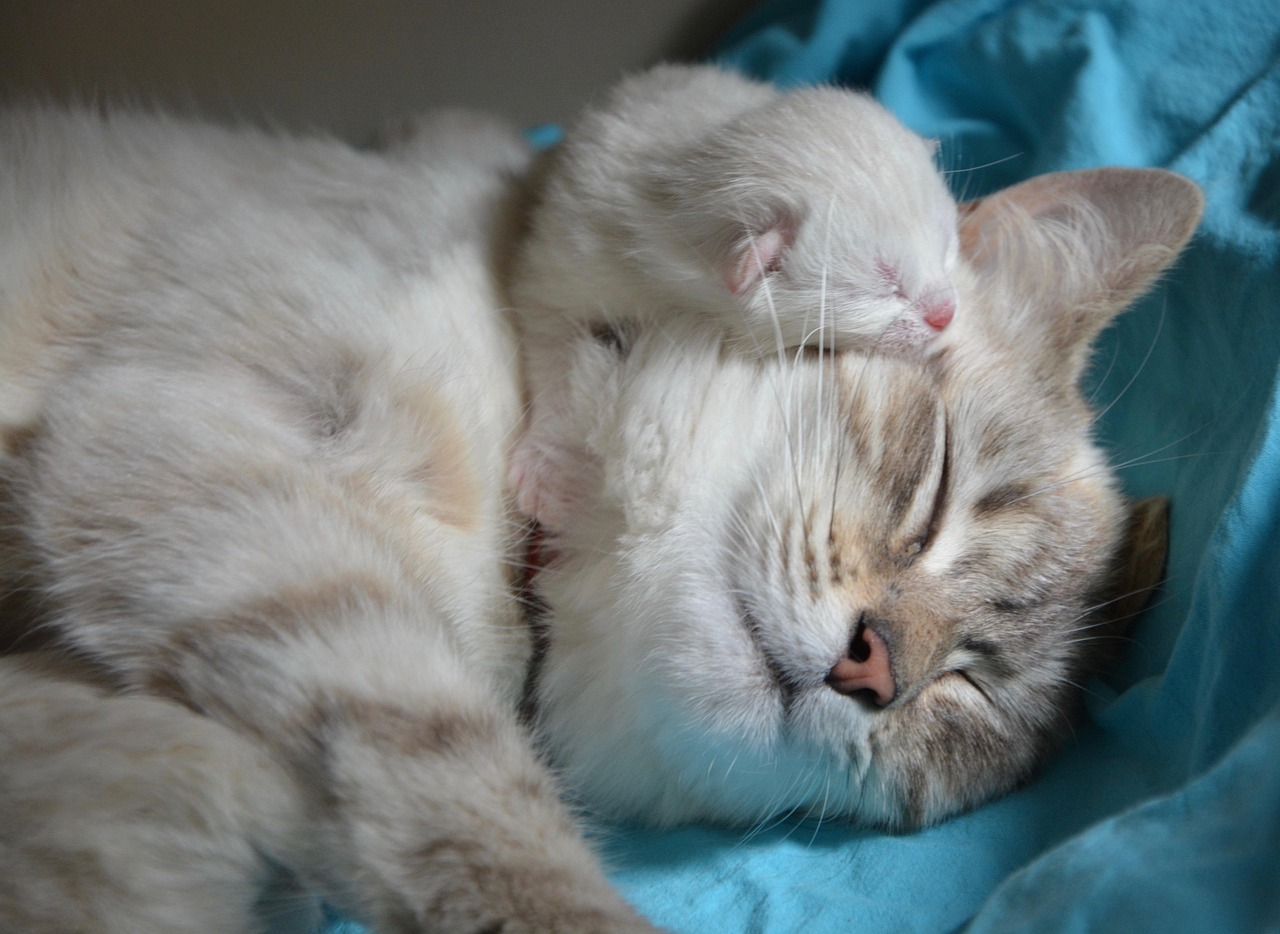

How Temperature and Humidity Affect Whelping and Kitten Survival
Understanding the importance of temperature and humidity during the whelping process is essential for the survival of kittens. Optimal environmental conditions help ensure that both the queen and her newborns thrive. The ideal temperature for a whelping area is typically around 75 to 80 degrees Fahrenheit, while humidity levels should be kept between 50-60%. Such conditions create a comfortable space for the mother cat, reducing her stress and ensuring she can focus on caring for her kittens. If temperatures drop too low, it can lead to hypothermia in the newborns, affecting their ability to nurse and gain weight. Likewise, excessive heat can cause stress, dehydration, and lethargy, particularly in the mother, complicating the birthing process. Therefore, monitoring these factors is critical, and adjustments should be made promptly. Consider providing blankets or heat pads in cooler environments and ensuring proper ventilation on warmer days. Regular temperature checks can be vital in preventing sudden changes in the environment while promoting the overall health of the new family. Creating an ideal setting facilitates a smoother whelping process, ultimately contributing to the survival and health of the kittens.
Humidity also plays a significant role during the whelping process, affecting not only the mother cat but also the kittens. High humidity can result in discomfort for the queen, potentially causing her to become restless or stressed. On the other hand, low humidity can lead to dry air, which can hinder the mother’s milk supply and may cause dehydration for both her and her young. Keeping humidity levels regulated assists in maintaining comfort and hydration, which are vital during lactation. Owners can use humidifiers to increase moisture in the air or open windows for fresh air circulation during suitable weather. Additionally, monitoring the litter box habits of the queen and her kittens can provide clues regarding their hydration levels. Dry stools can indicate dehydration, signaling the need for adjustments in the environment. Regular checks ensure that conditions remain optimal throughout whelping and nursing. A comfortable and regulated environment not only aids kitten survival but also strengthens the bond between the mother and her new litter. Creating a stress-free area contributes to a successful birthing experience while helping foster new life in a nurturing manner.
The first few weeks of a kitten’s life are particularly vulnerable and heavily influenced by environmental factors. After birth, kittens are unable to regulate their body temperature efficiently and rely on their mother to provide warmth. This is why ensuring a warm, safe space for the entire litter is crucial immediately after whelping. Any significant fluctuations in temperature can lead to health complications, including respiratory infections or failure to thrive. Kittens should be monitored frequently to ensure they are nursing well and maintaining a healthy temperature. If the litter feels cool to the touch, they may require additional warmth, such as a heat lamp or appropriate bedding materials. Creating a nesting area with blankets or towels can aid in retaining warmth. Additionally, placing a thermometer in the whelping area offers a precise reading, allowing you to quickly respond to temperature changes. Comfort for the mother kitty enhances her ability to care for her young, which is valuable for developing social behaviors later. Ensuring the optimal temperature and humidity provides the best start for these tiny felines, significantly affecting their overall development and survival in those critical initial weeks.
Preventing Potential Risks
Understanding the factors that influence whelping success is critical for any breeder responsible for the wellbeing of their cats. Temperatures too high pose significant threats like heatstroke, affecting both the mother and her young. Conversely, cold temperatures risk the life of newborns, who do not possess the insulating fat to safeguard against the elements. These extremes can drastically impact the kittens’ chances of survival. It’s also essential that the queen has access to proper hydration at all times, improving her milk production and ensuring the kittens receive adequate nutrition. A well-hydrated mother decreases the likelihood of problems during birth, such as prolonged labor or nursing difficulties. Monitoring both temperature and humidity levels will assist in identifying potential risks early on. Research indicates a close correlation between a stable environment and a successful whelping process. Maintain a stress-free space by reducing noise disturbances and ensuring the queen feels secure in her surroundings. Successful breeding begins with understanding how vital these variables are while working to prevent adverse outcomes. Keeping the involved cats as comfortable and content as possible sets the stage for a positive experience for both the breeder and the owner.
One must recognize that an ideal environment also contributes to the health of the entire litter. Kittens thrive best during initial weeks when exposure to pathogens is minimal. Maintaining cleanliness helps eliminate potential infection risks and fosters a secure setting. Stagnant air or poor ventilation can lead to respiratory issues, particularly in vulnerable newborns. Ensuring proper aerosol circulation is key to promoting good health. Consider placing a fan in the whelping area, provided that it does not direct cold air directly onto the queen or her kittens. It is always crucial that stimulation remains low, allowing the mother to recover while caring for kittens. The bond formed in the early stages lays the foundation for growth and development long after they leave the whelping box. As the kittens begin to explore their environment, consistent attention to temperature and humidity remains critical. Owners should also aim to gently socialize the kittens in a safe and temperature-regulated area. Being attentive to environmental factors continues helping the kittens flourish as they transition from nursing to exploration, paving the way for a healthy future.
Long-Term Health Considerations
Long-term health considerations for kittens arising from early whelping conditions play a significant role in their future well-being. Stress experienced during the whelping process can affect not only immediate health but also contribute to future behavioral issues as the kittens mature. Environmental factors experienced post-birth remain critical for shaping temperament and resilience. Ensure the kitten’s living environment is consistently comfortable helps strengthen their immune system and adaptability. Days after birth are essential as kittens begin developing behaviors that can lead to successful interactions later. Important basics covered include consistent access to light, warmth, and social interactions. These factors stimulate proper neural development and waning predisposition toward anxiety, which can impact behavior later in life. Providing a calm environment enables kittens to grow into confident adult cats, enhancing their socialization and preventing stress-related health issues. Cat owners should pay great attention to maintaining suitable conditions well after the kittens transition to solid food. Health checks measuring weight gain and monitoring behavior play a critical role in ensuring continued proper growth. Commitment to the long-term well-being of kittens produces benefits for fur parents too, fostering happier household companions.
A proactive approach to managing kitten environments can make a significant difference as the felines develop. Keeping ongoing temperature and humidity checks plays an important role in supporting the kittens’ immune systems as they age. The relationship between comfort during early days and growth potential cannot be underestimated, creating lasting impacts throughout a cat’s life. Successful breeding involves not just the delivery of healthy kittens but also fostering a nurturing atmosphere that contributes positively to behaviors and overall development. Engage in regular socialization opportunities to help them acclimate to home life and to enhance their experiences with other animals and humans. Adopt measures that focus on gentle interactions and gradual exposure while avoiding overwhelming stimulation. Continually ensure comfort adjusts as the kittens grow, as temperature and humidity requirements will evolve. Each new milestone will require careful attention, and decisions made early continue shaping their environmental experiences. Ultimately cultivating a safe and stimulating atmosphere benefits both kittens and their caregivers, creating bonds that last a lifetime. Maturity hinges upon such crucial moments, extending far beyond the initial whelping process, emphasizing the importance of healthy conditions for successful breeding outcomes.
In summary, paying attention to temperature and humidity during the whelping process is paramount for kitten survival and development. Optimal conditions lead to healthier kittens, better-nurtured bonds, and, ultimately, happier households. Responsible breeding emphasizes creating comfortable environments tailored to the needs of the queen and her young, heavily impacting their ability to grow and thrive. Reflecting on the significance of this nurturing phase reinforces the commitment every responsible owner has toward their feline friends. The importance of adjusting factors like temperature and humidity cannot be overstated, resonating through their entire lives. A warm, clean, and caring environment fosters a positive start for each life, paving the way for successful and happy companionship. Breeders and owners should invest time into early upbringing practices, contributing not only to the immediate health of kittens but also to their future emotional resilience. By nurturing these tiny creatures with care and dedication, you increase their chances of becoming beloved and healthy adult cats. Adopting ongoing vigilance concerning temperature and humidity will yield long-term benefits, illustrating that each decision made during early stages profoundly impacts a cat’s life. Give your kittens the best chance from the start by prioritizing their comfort and well-being.