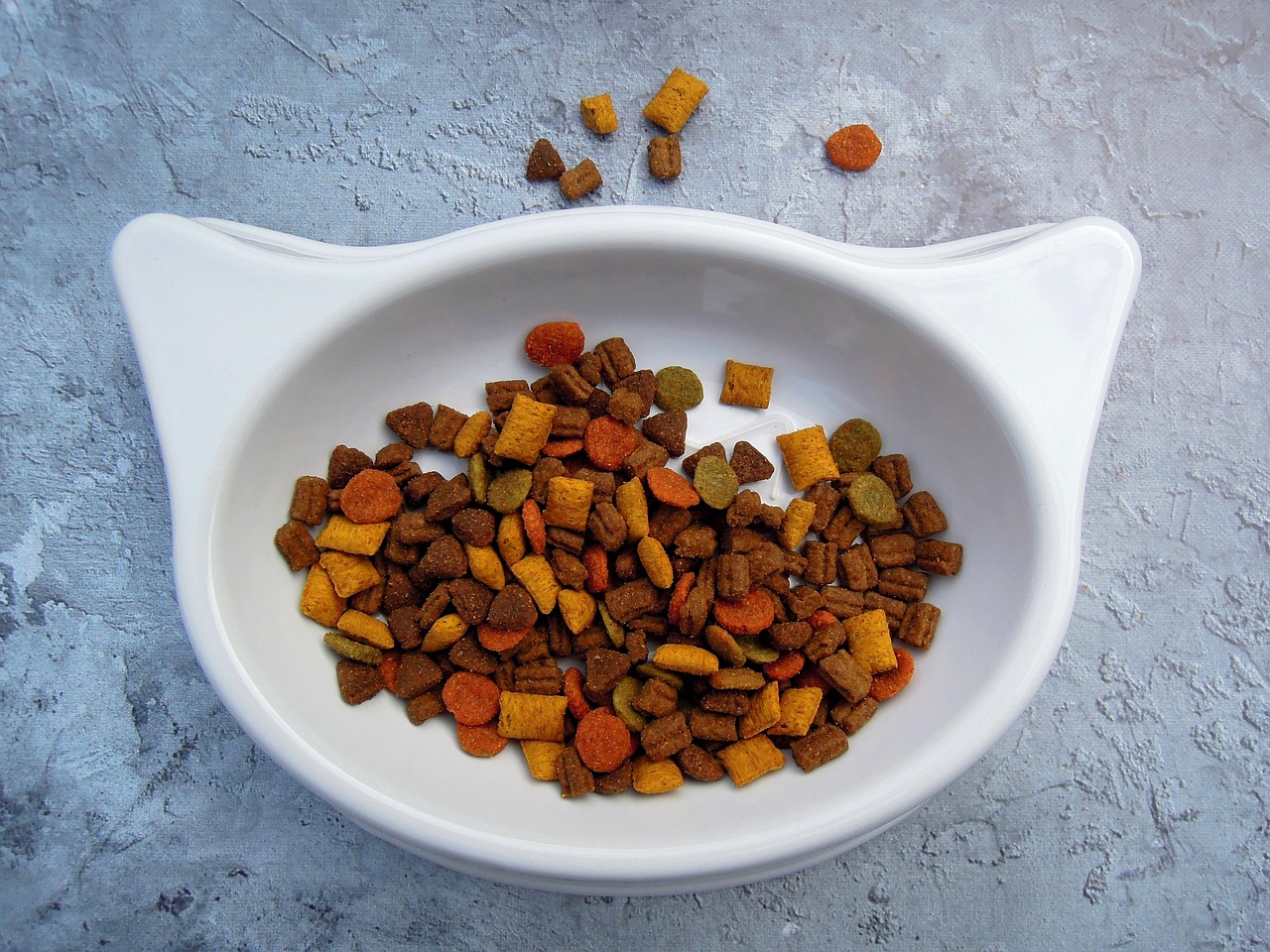

Key Safety Standards in Cat Food Production
In the pet food industry, particularly concerning cat food production, safety standards are crucial for ensuring the health of our feline companions. Regulatory bodies such as the FDA and AAFCO set guidelines that manufacturers must follow to protect pets from harmful substances. This includes using safe ingredients, proper labeling, and maintaining hygienic production practices. Compliance with these standards helps mitigate risks associated with contaminated food, such as salmonella or other harmful bacterial infections. Manufacturers must also conduct regular testing of their products to verify safety and quality. Ensuring traceability of ingredients is vital; it allows for quick identification of any potential risks and timely recalls if necessary. The ingredients sourced must have appropriate certifications confirming their safety and quality. Education and training for employees handling food production are also essential, as knowledgeable staff can significantly reduce risks. Regular audits and inspections can further enforce compliance with established standards. By prioritizing these safety regulations, the cat food industry can contribute to the overall well-being of pets, providing cat owners with peace of mind when selecting products for their beloved pets.
Another aspect of pet food safety regulations is the necessity of thorough nutritional analysis. Each cat food product must meet the dietary requirements set by organizations such as AAFCO. This implies that manufacturers are required to formulate their products in a way that provides balanced nutrition tailored to feline needs. Essential components such as proteins, fats, carbohydrates, vitamins, and minerals must be included in the right proportions. Companies often employ veterinary nutritionists during this process to ensure their formulations adhere to these nutritional standards. These professionals provide guidance on what amounts of each nutrient should be incorporated to promote optimal health. Additionally, the analysis must be clearly outlined on the packaging, providing transparency for consumers. Consumers should look for AAFCO statement claims on labels to confirm proper nutritional adequacy. Proper labeling helps cat owners make informed decisions about the food they purchase. This is imperative, as improper nutritional balance can lead to various health issues in cats, including obesity and malnutrition. Understanding these safety standards helps in selecting the right food, ensuring that pets receive the nutrition needed for healthy living.
Labeling Requirements for Cat Food Products
Labeling is a critical component in pet food safety standards. The information presented on cat food packaging must be clear, accurate, and compliant with regulations. Labels should indicate all ingredients, which are typically listed in descending order by weight. Transparency about what is included in the food allows consumers to make informed choices, especially for pets with allergies or dietary restrictions. In addition, nutritional information is also required on labels, which informs pet owners of calorie counts and the proportion of essential nutrients. Manufacturers must also state specific claims regarding the product’s purpose, such as being ‘grain-free’ or ‘high in protein.’ Catch phrases can be useful, but they need to be substantiated. Regulations mandate that any claims made must be accurate to prevent misleading customers. Misrepresentation can result in serious legal implications and may compromise pet welfare. Furthermore, safety instructions, including storage tips and usage recommendations, should be included. Following proper labeling protocols not only enhances regulations but also increases trust between manufacturers and consumers, reducing potential health risks significantly.
In addition to labeling, manufacturers must also adhere to strict packaging standards. The materials used in cat food packaging play a vital role in preserving product quality and safety. Packaging must protect food from contamination, spoilage, and environmental factors such as moisture, air, and light. Selecting non-toxic materials for packaging is essential, as some substances can leach harmful chemicals into the food. Moreover, packaging must be designed for ease of use, enabling cat owners to store and serve the food efficiently while maintaining safety. Tamper-evident seals and proper closing mechanisms help ensure that the product has not been compromised. The integrity of the packaging directly impacts the shelf life of cat food, so manufacturers must consider these factors during production. Suppliers should also be reliable and able to provide certifications that their packaging meets safety regulations. This diligence is essential to ensuring that safety standards encompass every aspect of cat food production, from ingredient sourcing to the packing of finished products.
The Role of Testing and Quality Control
Regular testing and stringent quality control measures are non-negotiable aspects of cat food safety regulations. Every batch of food produced should undergo testing to ensure compliance with established standards. This includes microbiological testing, which checks for harmful bacteria, and nutritional analysis to confirm that the food’s composition aligns with label claims. These tests allow manufacturers to identify and rectify any potential safety issues before products reach consumers. Instituting rigorous quality control protocols helps in preventing incidents that could lead to illness in pets. Companies must implement a system that tracks quality metrics continuously, adjusting processes as needed to improve product safety. This might include sourcing ingredients from different suppliers or adjusting production techniques. Stakeholders like veterinarians and pet nutrition experts should be engaged in developing these quality control systems to ensure they meet relevant safety standards. Maintaining a commitment to safety and quality shows consumers that their pets’ health is a priority, fostering brand loyalty and trust in the long run.
Regulatory compliance is crucial for companies in the cat food industry to operate effectively and safely. Companies must understand and adhere to local and federal regulations, which may vary significantly across regions. Compliance not only protects pet welfare but also shields manufacturers from legal repercussions that could arise from non-compliance. Regularly reviewing regulations ensures that businesses remain up to date with any changes that may affect production. Employees involved in production and quality checks should be trained adequately regarding these regulations. Fostering a culture of compliance within organizations helps safeguard against potential lapses that could harm pets or impact business operations. Networking with industry groups and attending workshops can also provide insights into best practices for safety and compliance. By staying informed, manufacturers can proactively address safety concerns and maintain high safety standards, reinforcing their commitment to responsible production. Ultimately, awareness of regulations fosters a resilient industry that prioritizes consumer safety and animal health, benefiting all stakeholders and their furry companions.
Conclusion: Enhancing Cat Food Safety
In conclusion, adhering to vital safety standards in cat food production is imperative in ensuring the health and well-being of cats. From sourcing safe ingredients to ensuring stringent testing and compliance with regulations, every aspect must be carefully considered. Consumers play a key role in this process by becoming informed about the products they choose. By understanding potential risks, they can select high-quality, safe food for their felines, fostering a culture of responsible pet ownership. Continued education and vigilance are necessary as the industry evolves, introducing new products and trends. Collaboration between manufacturers, regulatory bodies, and consumers is crucial for enhancing safety standards. Together, these groups can identify and address gaps in current regulations, ensuring a healthier future for our pets. Supporting organizations that prioritize research and development of better standards can lead to positive changes within the industry. The ultimate goal should always be to safeguard the health of cats and provide them with optimum nutrition. By committing to these principles, the cat food industry can build a strong foundation for future practices that prioritize the safety and health of our beloved pets.
Keeping these standards in mind also aids in building trust between pet food companies and consumers. It reflects a commitment to not just meeting basic requirements but also striving for excellence in product quality. Producing high-quality cat food enhances consumer confidence, encouraging cat owners to make purchases with assurance. Responsible companies are transparent about their production methods and willing to share information about the sourcing of their ingredients. This transparency can lead to higher consumer satisfaction and more loyal customers, positively impacting a manufacturer’s reputation. Additionally, public awareness campaigns highlighting the importance of safety standards can further elevate industry standards. Education efforts can benefit consumers in understanding the indicators of safe cat food, empowering them to make better choices. The combination of strict adherence to safety standards and informed consumer choices creates a robust market for high-quality pet food. As a result, such an environment encourages innovation in the development of new products to meet changing consumer demands while maintaining safety. Emphasizing collaboration across the industry can help to ensure a consistent approach to safety in cat food production, ultimately leading to better health outcomes for our feline friends.