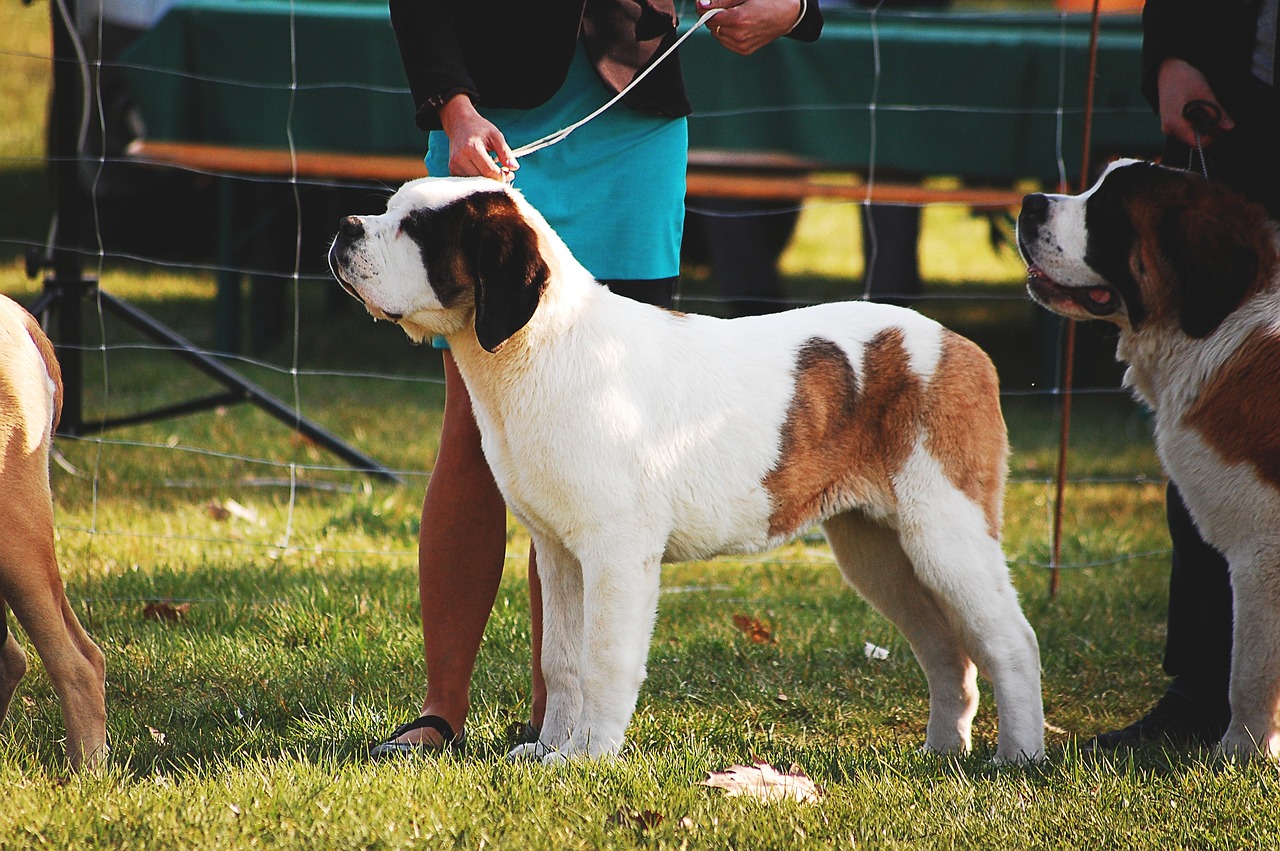

The Impact of Junior Handlers on the Dog Show Community
Junior handlers play a significant role in the dog show community. They embody the future of the sport, showcasing their commitment, skill, and passion for dog handling. Many young individuals start their journey in handling at a very young age, sometimes even under the age of ten. These youngsters learn important skills that not only contribute to the dog show but also play a crucial role in personal development. Through participation, they gain confidence and foster relationships with others who share a similar passion. Furthermore, the presence of these handlers elevates the excitement of shows by demonstrating their growing expertise. Many juniors work diligently with their dogs, developing bonds that enhance performance and presentation. Their enthusiasm becomes contagious, often inspiring onlookers to engage more with the canine world. Many junior handlers eventually transition to adult competitions, bringing a wealth of experience gained during their formative years. Their contributions to the community highlight the importance of support from families and mentors in nurturing young talents. Overall, junior handlers are vital for sustaining the enthusiasm and dynamism of dog shows across various regions.
One of the best aspects of junior handlers is the camaraderie they build. The dog show environment encourages friendships among participants, allowing them to learn not only from their mentors but from each other. As they practice together, they share tips and tricks, which helps to improve overall performance. Through teamwork, junior handlers motivate one another to enhance their skills and increase their confidence. This bonding often extends beyond competitions, leading to lifelong friendships. Parents also appreciate this community, as they find themselves forming connections and supporting one another. Junior handlers often hold workshops and training sessions, which further strengthen their bonds and improve their skills. Additionally, this mutual support fosters a healthy competitive spirit, pushing everyone to do their best. Local dog clubs frequently recognize junior handlers for outstanding achievements, providing them with awards and performance trophies that encourage further growth. The encouragement they receive from adults and fellow peers helps instill respect for the sport and its traditions. Ultimately, these friendships and connections create a welcoming atmosphere within the dog show community.
The Skill Development of Junior Handlers
As junior handlers progress in their dog handling journey, they develop essential skills that benefit them in multiple areas of life. The training process requires discipline, patience, and a strong work ethic. Junior handlers learn to communicate effectively with their dogs and understand the body language of their chosen breeds. They master the art of grooming, conditioning, and preparing their dogs for various competitions. In addition to hands-on experience, junior handlers must also familiarize themselves with show etiquette and handling techniques. Through practice, they enhance their problem-solving abilities when facing challenges along the way. This learning experience is not limited to the physical aspects of handling; it also provides a valuable lesson in sportsmanship and humility. Challenges, like losing a competition, teach important life lessons about resilience and perseverance. Many junior handlers take these experiences into their adult lives, influencing their careers and relationships. Moreover, participating in shows fosters a deep love for the canine world, often resulting in continued involvement within the community as adults. This skill development is a crucial aspect of the overall narrative of junior handlers in the dog show realm.
Moreover, junior handlers contribute to the visibility of different breeds and their respective standards. Their participation introduces audiences to breeds they might not otherwise encounter. This helps raise awareness and appreciation for various dog breeds, educating participants and spectators alike about breed characteristics, temperaments, and purposes. As junior handlers research and train their dogs, they gain a wealth of knowledge about the breeds they handle. This learning process often sparks interest among spectators, who may consider adopting or learning more about specific breeds. Dog shows serve as a valuable platform for promoting responsible pet ownership and ensuring that potential dog owners understand breed needs. Moreover, by showcasing their breeds’ strengths and personalities, junior handlers emphasize the significance of ethical breeding practices. This aspect serves to benefit the overall canine community, as responsible breeding can help combat issues like overpopulation and health risks. In this way, junior handlers play an essential role not just in competition but in educating the public about various dog breeds and fostering appreciation for them.
The Future of Dog Shows and Junior Handlers
As the dog show community continues to evolve, the role of junior handlers becomes ever more important. Their fresh perspectives and innovative approaches breathe new life into traditional practices. Junior handlers often bring creative ideas, enriching the show experiences for everyone involved. Emphasizing inclusivity in their events, they play a major part in inspiring younger participants to join the ranks of dog handling. With ongoing mentorship and guidance from skilled adults, these junior handlers are primed to lead the next generation of dog show enthusiasts. Evolving society and technology also influence the way dog shows operate, and junior handlers are often quick to adapt to these changes. By embracing social media and online platforms, they help promote shows and build a wider audience. This adaptability ensures that the community remains relevant and appealing to new spectators. Furthermore, many junior handlers pursue educational opportunities related to veterinary sciences, training, and animal welfare, ultimately impacting the canine world positively. In this context, the future of dog shows looks promising, with junior handlers paving the way for a bright and vibrant community.
Throughout the experiences of junior handlers in dog shows, their resilience and determination often shine through, further highlighting their importance. Challenges such as competitive pressure and rigorous training tests their limits, yet these young individuals consistently demonstrate remarkable perseverance. Their commitment to their dogs reveals their inherent qualities of leadership and responsibility. Guided by supportive mentors and family, junior handlers cultivate strong relationships with their canine partners. This bond becomes crucial as they share the ups and downs of training and performance. Moreover, their dedication to achieving goals teaches them valuable time management skills. Balancing show preparation with school or other activities provides insights into managing priorities effectively. On top of this, junior handlers also learn to accept constructive criticism graciously. They build confidence through feedback and develop a growth mindset that encourages continuous improvement. As they face various obstacles, junior handlers embody the spirit of tenacity and resilience. Their journeys not only help shape their character but significantly contribute to the dog show community’s history. The impact of junior handlers reverberates throughout the community, establishing a strong foundation for future generations.
Conclusion: Celebrating Junior Handlers
In summary, the influence of junior handlers on the dog show community is immeasurable. These bright young individuals contribute significantly to the sport’s future and embody its values of passion, dedication, and teamwork. As they develop skills and nurture relationships, their experiences not only shape their personal growth but also enrich the entire dog show environment. They serve as ambassadors for dog breeds and promote responsible ownership. The enthusiasm they bring revitalizes shows, encouraging new spectators and participants. Moreover, their resilience equips them with essential life skills that surpass the realm of competition. Their journeys exemplify the qualities and values critical to the dog show world. As the community adapts and evolves, the presence of junior handlers ensures continuity and growth. It’s essential for dog show organizations and the broader canine community to support these young talents. This encouragement can shape future generations of knowledgeable, skilled handlers who further develop the sport. By lifting junior handlers, we celebrate the next chapter in the dog show story, ensuring a vibrant and engaged community committed to the preservation and appreciation of dogs.
Consequently, recognizing and valuing the efforts of junior handlers can help inspire more youths to join this enriching community. Their contributions stretch beyond competitions, as they become advocates for animal welfare and ethical dog ownership. Therefore, fostering a nurturing environment for these aspirants ensures the longevity of the sport. Engaging junior handlers rewards not only them but everyone involved in the dog show circuit. This collective effort leads to a stronger, more cohesive community that values passion, hard work, and respect for dogs and their handlers alike. Through mentorship programs and educational initiatives, we can ensure that these future leaders of the community continue to flourish. As we celebrate their achievements, we pave the way for a bright future filled with opportunities in dog shows for generations to come. Engaging with junior handlers today sets the foundation for a thriving and dynamic dog show community tomorrow, leading to broader engagement and support for canine sports overall.