
How Cats Hydrate Naturally: Insights into Their Drinking Behavior
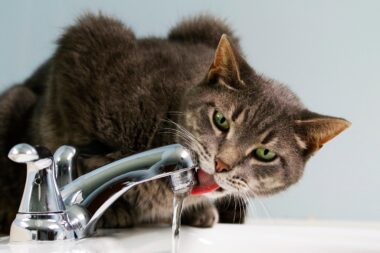
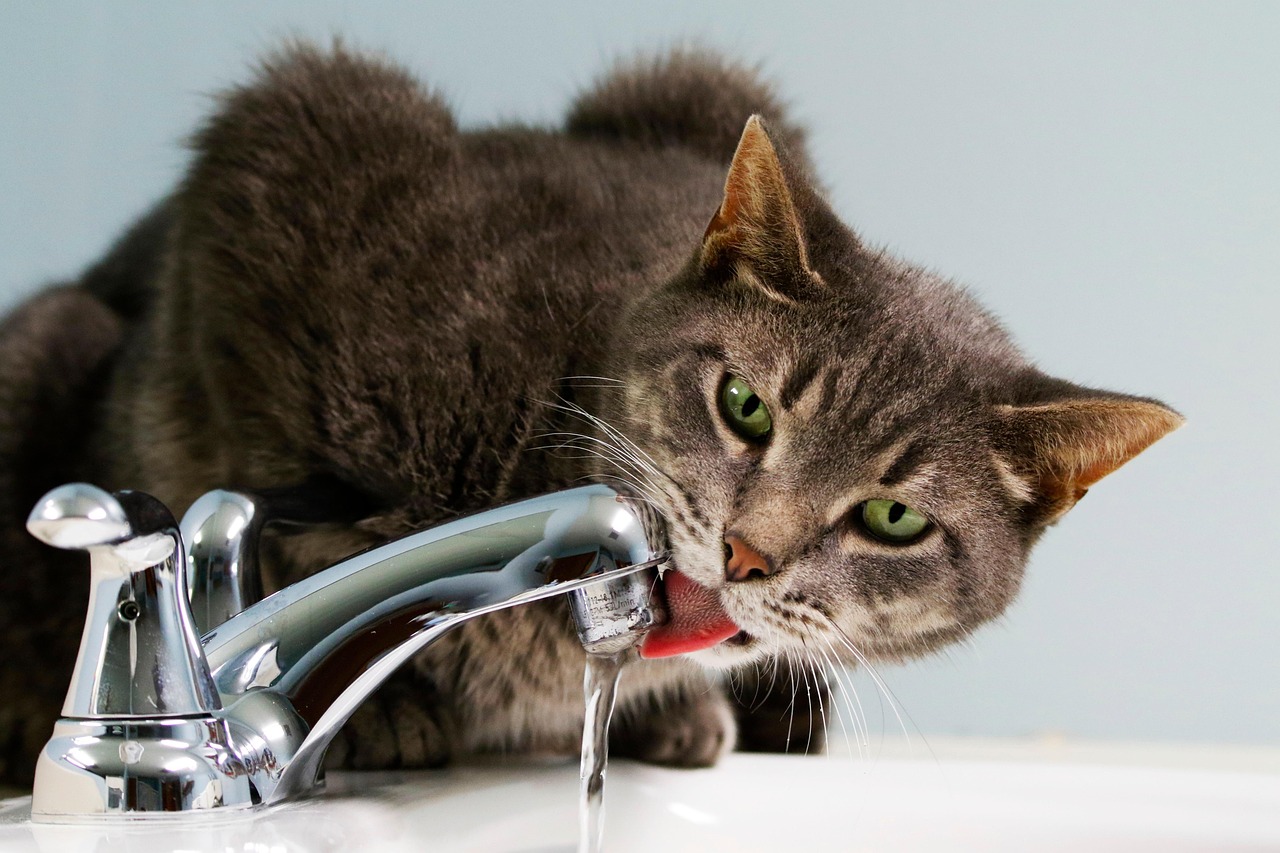
Cats are fascinating creatures, and their drinking habits reveal much about their unique behaviors and adaptations. Unlike dogs, felines generally possess a lower thirst drive. This is largely due to their evolutionary history, where cats evolved from desert-dwelling ancestors. In nature, these ancestors obtained most of their water from their prey, primarily small mammals. This hunting instinct is deeply embedded in their behavior today. Furthermore, the cat’s body is remarkably efficient in conserving water. Whether from an instinctive viewpoint or biological adaptation, it is noted that cats tend to be cautious about drinking water from bowls. Instead, many have preferences when it comes to drinking water sources, such as running water from a faucet. Observing a cat’s drinking behavior can provide insights into their overall health. If a cat refuses to drink or suddenly changes their drinking habits, it may indicate underlying health issues. Monitoring your cat’s hydration can therefore be a vital aspect of responsible pet ownership, ensuring that your feline friend remains healthy and well-hydrated throughout their life.
Understanding the reasons behind your cat’s drinking behavior is essential for every cat owner. Typically, cats prefer water close to room temperature, explaining their attraction to faucets and running water. In warmer climates or heated homes, cats might need more hydration, driving them to seek water sources more actively. Moreover, certain cats are known to dislike the flavor of standing water, particularly if it has been sitting for a long time and may taste stale. This aversion can often direct them toward fresher alternatives. Tap water is commonly favored as it has a more appealing taste—likely due to added minerals and the lack of contaminants found in stale water. Providing multiple water sources in various areas can encourage better hydration habits in your cat. Pet water fountains are excellent investments for those struggling with encouraging their cats to drink. These fountains keep the water circulating and can also entice cats with their design and sounds. Additionally, ensuring that the water bowl is cleaned regularly can make a significant difference. Dirty bowls may deter a cat from drinking and can also lead to health issues.
The Importance of Hydration
Hydration is paramount for a cat’s overall health and well-being. Cats can develop urinary tract issues if they do not consume enough water, which can lead to painful conditions. Urinary crystals or bladder stones are particularly common problems in dehydrated cats. It is crucial to understand that cats are obligate carnivores, meaning their diet largely consists of meat, which contributes to their hydration. Foods with higher moisture content, like wet cat food, can aid in keeping their hydration balanced. Dogs typically drink more water than cats, highlighting the differences in their drinking behaviors. A proper balance of wet and dry food is essential for cat owners aiming to maintain their pet’s hydration levels. Recognizing the signs of dehydration in cats can prevent health complications. Dry gums, lethargy, and decreased skin elasticity are common symptoms. It’s vital for cat owners to educate themselves on these signs and ensure their feline friends remain hydrated. Additionally, incorporating water-rich treats can enhance hydration without compromising a cat’s diet. Making hydration a priority can ultimately lead to a happier, healthier cat.
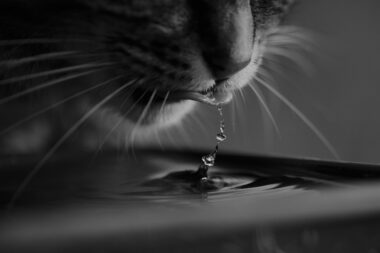
An interesting observation in cat drinking behavior is their tendency to dip their paws into their water bowls. Some cats prefer this method over directly drinking from the bowl. This behavior indicates their natural curiosity and playfulness, traits that often manifest in various ways. Cats may also be more inclined to drink when in dynamic situations, such as seeing moving water. This phenomenon has led to experts suggesting that incorporating playful water-related activities can make drinking more appealing to them. To better engage a cat in their hydration practices, pet owners can explore different bowl shapes and materials. Some cats may prefer ceramic or glass bowls over plastic ones, as plastic can retain odors that may deter drinking. Ultimately, understanding a cat’s unique drinking preferences can help owners address hydration needs effectively. Additionally, monitoring the amount of water consumed can be helpful, as some cats might require coaxing or encouragement to drink enough fluids. Regularly engaging your cat with interactive toys designed around water can stimulate their interest in drinking while making it a fun experience.
Tips to Encourage Drinking
Encouraging cats to drink water can sometimes be a challenge, but various strategies can be employed to motivate them. One effective method is to provide fresh water multiple times a day. Cats often prefer their water to be fresh and cool, so changing it regularly can be essential. Additionally, offering a variety of water bowls in different locations throughout the house can also help. Some cats might prefer drinking from a wide bowl, whereas others may enjoy a narrower option. Experiment with different bowls to determine your cat’s preferences. Another popular approach is utilizing pet water fountains, which provide a continuous stream of fresh water, an option that many cats find irresistible. These fountains can mimic the natural flow of water and entice cats to drink more. Another way to encourage hydration is to mix wet food into their diet. This can enhance both hydration and overall nutrition, aiding in maintaining a balanced diet. Keeping a close eye on your cat’s drinking habits allows you to adjust your strategies accordingly, ensuring that they remain healthy and happy.
While many cat owners focus on food and playtime, drinking habits should not be overlooked. Cats have different hydration needs based on their age, breed, and overall activity level. Young kittens generally require more water due to their growing bodies and higher metabolism. Similarly, active breeds like Abyssinians and Bengals may need additional hydration compared to more sedentary breeds. Monitoring their food intake is equally important; however, ensuring they have adequate access to fresh water is also critical. Higher temperatures can cause cats to drink more, while colder months may reduce their intake, making it necessary for owners to be proactive. Recognizing the changing needs of your cat is paramount, as adjustments may be required, especially as they reach seniority. Older cats may experience decreased thirst sensitivity, making it crucial to encourage drinking through various methods. Understanding your cat’s individual hydration requirements will ultimately enhance their health and quality of life. Furthermore, frequent vet check-ups can assist in identifying any hydration-related issues early, allowing for timely interventions. By being vigilant, you empower yourself to help your cat thrive.
Conclusion: Supporting Hydration
In conclusion, supporting your cat’s drinking habits is crucial for overall well-being. Recognizing their hydration needs, preferences, and quirky behaviors will enhance your ability to care for them properly. Noticing changes in their drinking habits or signs of dehydration can help prevent potential health problems down the line. Consulting with veterinary professionals if you suspect any issues is always advisable. Maintaining regular water changes, providing an adequate number of drinking stations, and monitoring food moisture content should be an essential part of a cat owner’s routine. Additionally, making the drinking experience enjoyable with interaction and engaging strategies can encourage their hydration and keep them healthy. A well-hydrated cat is generally more active and playful, leading to improved mental and physical health. Create a routine that includes hydration alongside feeding, play, and grooming for a comprehensive care approach. Investing time in understanding and supporting your cat’s drinking behavior will ultimately pay off with a healthier, happier pet. By being proactive and attentive, you supply your cat with the necessary resources for optimum hydration and care.
Remember, keeping your cat well-hydrated is an ongoing responsibility. Each cat has its unique set of preferences and habits, and tailoring your approach based on your cat’s specific needs is key. Engaging with your feline friend during water breaks, exploring new drinkware options, and experimenting with hydration techniques are steps you can take. The natural instincts of cats regarding hydration are fascinating, reflecting their wild ancestry. Pay attention to their behaviors and create an environment that supports their hydration needs. Ultimately, a supportive hydration routine will lead to a healthy and fulfilling life for your cat.