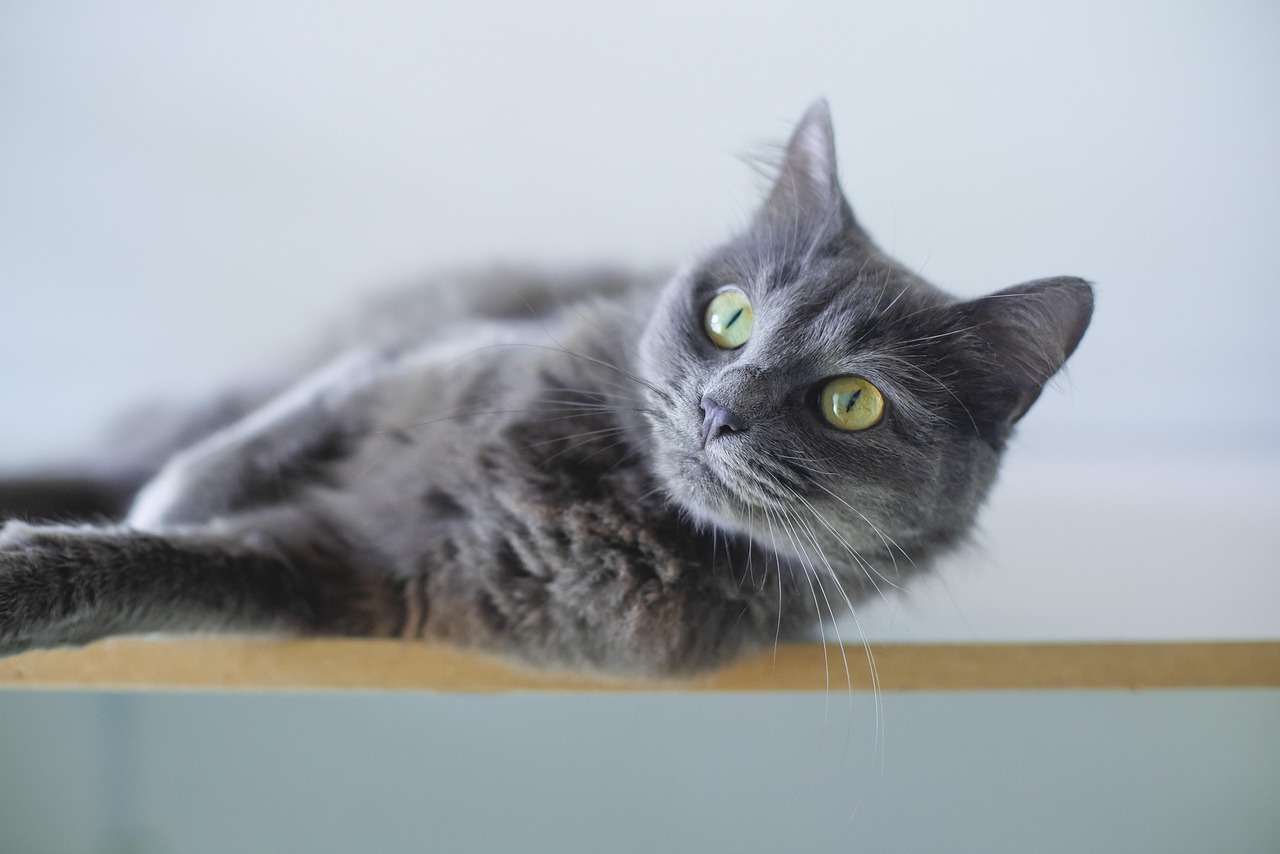

How Stress Can Contribute to Hepatic Lipidosis in Cats
Feline hepatic lipidosis is a serious condition that often arises from various stressors affecting a cat’s life. This disease occurs when excess fat accumulates in the liver, impairing its function. Understanding the causes of stress in cats is crucial in preventing this illness. Common stressors include changes in environment, such as moving homes or the addition of new pets. Cats can also experience stress due to abrupt routine changes, making them feel insecure and anxious. Understanding their needs is essential, as it helps maintain their emotional well-being. Providing a stable environment reduces the risk of hepatic lipidosis significantly. Also, recognizing subtle behavioral signs is vital; cats may hide, become less social, or engage in unusual grooming behaviors when stressed. Proper attention to these changes can lead to better health management. Moreover, regular veterinary check-ups are crucial for preventively screening at-risk cats. A well-balanced diet coupled with stress reduction techniques can effectively thwart the onset of this condition. Owners should consider consulting with veterinarians about nutritional needs and potential stress-reducing strategies that will keep their feline companions healthy.
Understanding Hepatic Lipidosis
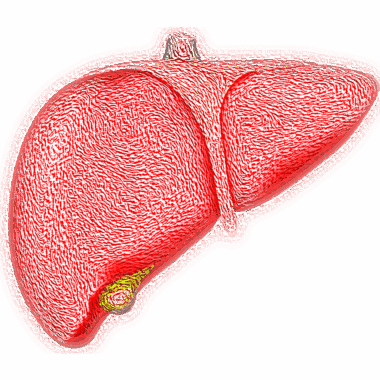
Hepatic lipidosis is a common and often devastating liver disease in cats, necessitating a comprehensive understanding. When a cat is under significant stress, it may stop eating, leading to rapid weight loss. This weight loss triggers the release of fat stores into the bloodstream. As fat accumulates in the liver, liver function becomes severely compromised. Cats are particularly sensitive to stress; they thrive in stable conditions. Any disruption can have dire consequences on their health. Stress is a multifaceted issue, encompassing physical and emotional aspects. Emotional distress, for instance, can stem from loneliness or anxiety, while physical distress might occur due to illness or injury. It’s vital to monitor cats for signs of stress, which can manifest as lethargy, changes in appetite, or destructive behaviors. Providing a safe and enriching environment is essential, as this minimizes stress and promotes healthier eating habits. Creating pleasant spaces with enrichment activities, such as interactive toys, can help alleviate stress levels. Additionally, investing time in regular play and bonding sessions is beneficial for mental well-being. Active engagement strengthens the bond between owner and cat, contributing to reduced anxiety and better overall health.
The importance of a proper diet cannot be overstated in preventing hepatic lipidosis. When cats endure stress, they may refuse to eat, leading to significant fat accumulation in the liver. A balanced, nutritional diet is essential to ensure that cats remain healthy and active. Owners should ensure that their feline friends receive adequate nutritional value through high-quality cat food. Additionally, maintaining routine feeding schedules can help calm stressed cats and encourage them to eat regularly. It’s crucial to avoid abrupt changes in a cat’s diet, as this can exacerbate their stress. Gradual transitions between different types of food make adjustments smoother and reduce the risk of gastrointestinal upset. Furthermore, providing a cozy feeding area can make mealtimes more inviting. Cats often exhibit preferences for certain textures and flavors, so exploring different options can ensure they find something appealing. Additionally, involving stimulation during mealtime, like puzzle feeders or treat-dispensing toys, can maintain their mental engagement. Keeping meals exciting can help combat boredom and promote a healthy relationship with food. Overall, focusing on balanced nutrition ensures a cat’s liver function remains optimal, minimizing the risk of hepatic lipidosis and promoting long-term well-being.
Behavioral Signs of Stress
Recognizing behavioral signs of stress in cats is paramount in preventing hepatic lipidosis. Stress can manifest through various changes in behavior, alerting owners that something may be amiss. Common signs of feline stress include excessive grooming, aggression, withdrawal, or changes in litter box habits. Increased vocalization might also indicate discomfort or anxiety. Observing these behaviors can be the first step toward addressing the underlying issues. Cats may withdraw from family interactions, choosing solitude as a coping mechanism. Monitoring their habits and routines can provide insights into their emotional states. Additionally, providing a safe and quiet space within the home is essential for stressed cats. It allows them to retreat and feel secure during overwhelming situations. Creating an inviting environment can involve hiding spaces, cozy blankets, or even quiet areas away from household noise. Additionally, maintaining familiarity with existing toys and bedding can be comforting. Once stressors are identified, it’s possible to implement changes aimed at alleviating stress, which may include gradual introductions to new pets or family members. Engaging a veterinarian can also facilitate guidance in handling stress-related behaviors, improving overall quality of life.
Routine veterinary care plays a crucial role in monitoring a cat’s health and detecting signs of stress early. Regular check-ups allow veterinarians to assess overall health, including potential issues related to hepatic lipidosis. Vets can evaluate a cat’s weight, appetite, and behavior, providing helpful insights to owners. Furthermore, they can recommend necessary dietary adjustments and supplements to promote better liver function. Early intervention can significantly improve outcomes for stressed cats, helping to prevent serious illness. Annual or biannual visits help in tracking health changes over time; the relationship built with a veterinarian can provide reassurance to both pet and owner. It also supports an owner’s ability to recognize stress signals more effectively. Sometimes, behavioral consultations or recommendations for stress management techniques may be discussed during these visits. Understanding the individual cat’s temperament allows for tailored approaches to care. For example, specific enrichment strategies or medications may be suggested based on the cat’s unique stressors. They might also provide insights on environmental adjustments to enhance the cat’s living space. Being proactive about veterinary care not only benefits the overall well-being of the cat but also strengthens the bond between feline and owner.
Environmental Factors In Stress Management
Environmental factors significantly influence a cat’s stress levels and their susceptibility to hepatic lipidosis. Cats are creatures of habit, thriving in familiar and stable environments. Disruptions such as moving homes, renovation activities, or the arrival of new pets can lead to anxiety. Such changes can trigger behavioral issues and increase stress, impacting overall health. Enhancing a feline’s environment is essential for stress relief; creating a serene space free from chaos can greatly help. Incorporating elements such as cat trees, scratching posts, and designated quiet zones can provide comfort. Additionally, using pheromone diffusers may ease anxiety for some cats. Training the household members, especially children or other pets, to respect the cat’s space can also reduce overall stress. The layout of the living area should allow access to safe hideaways, which empower cats to control their stress levels. Providing consistency in activities and routines can help create a sense of security. Establishing regular play times or meal schedules fosters a predictable environment, reassuring pets. Ultimately, taking time to enrich a cat’s surroundings will decrease the likelihood of stress-induced health issues.
In conclusion, awareness and active management of stress are essential in preventing hepatic lipidosis in cats. Recognizing the multifaceted nature of feline stress is imperative for owners committed to their pets’ health. From ensuring a balanced diet to providing a stable living environment, each factor contributes significantly. Behavioral signs should not be overlooked, as they often indicate deeper emotional distress. Owners must maintain open communication with their veterinarian, as regular consultations are crucial for monitoring changes and discussing potential interventions. This collaborative approach fosters a healthier bond between the cat, owner, and veterinary team. Moreover, environmental enrichment and behavioral understanding empower owners to create a nurturing atmosphere. Recognizing stress early allows for timely intervention, minimizing the risk of hepatic lipidosis. Engaging in play, maintaining healthy routines, and understanding personal triggers are also key components of stress management. Ultimately, a pro-active stance towards feline health ensures that our beloved cats can lead happier, healthier lives. When we prioritize their mental and emotional well-being, we set them on a path to longevity free from diseases. Responsible pet ownership includes being attuned to our pets’ unique needs, which fosters a thriving, joyful companionship.