
How to Read Your Cat’s Social Cues While Traveling
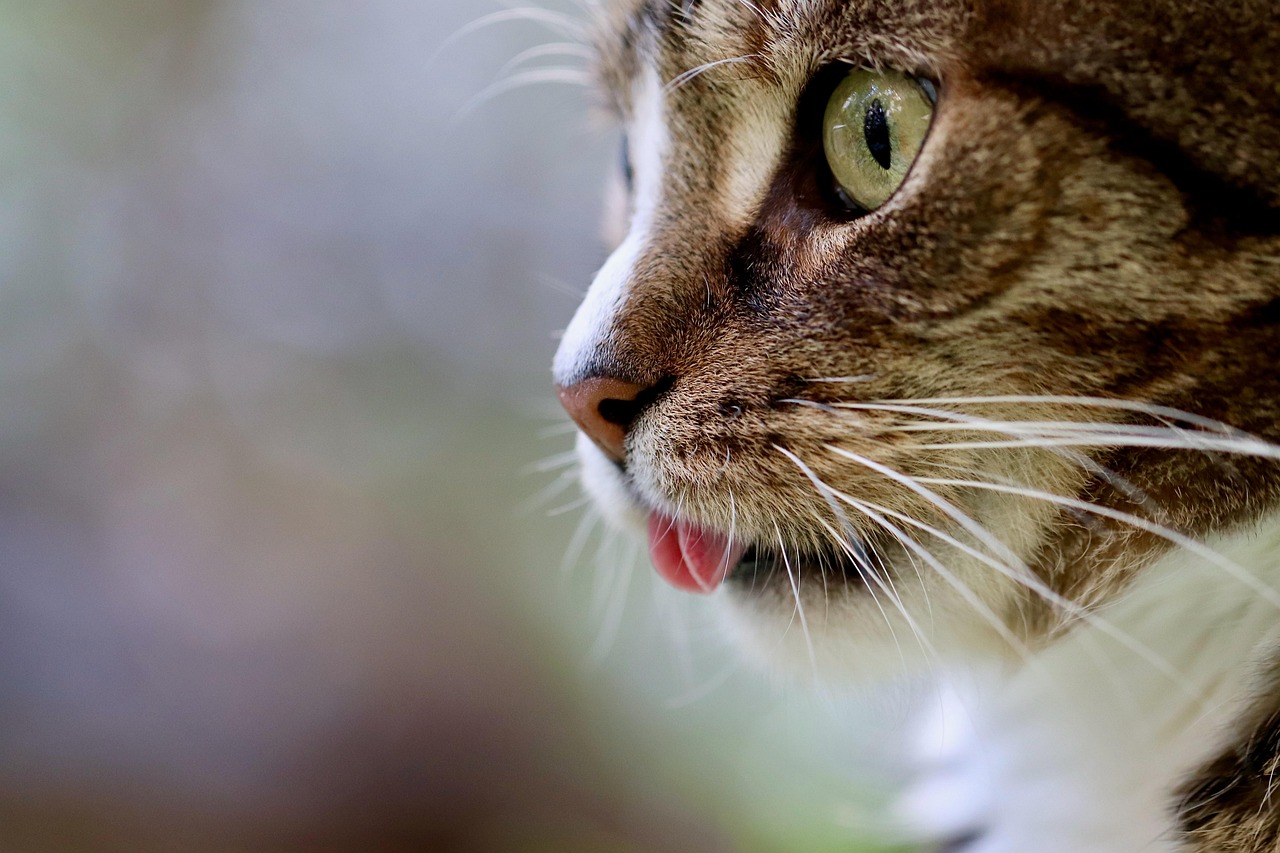
Traveling with your cat can be an enjoyable experience, but understanding their social cues is essential. Cats communicate their feelings through body language and vocalizations, enabling you to gauge their comfort levels. For instance, if your cat’s tail is upright, they are likely feeling secure. Conversely, a low or tucked tail may indicate stress. Additionally, watch for their ears. Forward-facing ears suggest curiosity, while flattened ears signal fear or irritation. Always observe their eyes; dilated pupils can indicate excitement or anxiety. When socializing your cat in new environments, take time to familiarize them with the surroundings. Place their carrier in open spaces and allow them to explore at their own pace. Keep their space cozy with familiar items. Moreover, ensure to practice gradual introductions to new people and pets. By recognizing your cat’s social cues, you can ease their transition into unfamiliar places. If your cat displays signs of discomfort, it may be necessary to retreat to a safe area or return home. Understanding these cues can lead to a more enjoyable travel experience for you and your feline friend.
Tail signals play a crucial role in understanding your cat’s emotions during travel. A raised tail suggests confidence, but a flickering tail can indicate agitation or overstimulation. Pay attention to your cat’s response to noise and activity levels around them. Their comfort will vary; some cats thrive on activity, while others prefer quiet environments. When introducing your cat to travel, use a well-ventilated, secure carrier that they associate with positive experiences. Include toys, blankets, and treats that remind them of home, creating a reassuring environment that helps reduce stress. If you are traveling by car, ensure that the car is temperature-controlled and quiet. Regular breaks are essential; offer your cat opportunities to stretch and explore briefly. Remember that every cat is unique with their preferences and comfort levels. Monitor their behavior closely, especially their signs of anxiety or contentment. Create a travel schedule that prioritizes your cat’s well-being as you explore new places. Remaining attuned to your pet’s feelings assures them that you respect their boundaries, reinforcing trust and making travel a bonding experience.
When traveling with your cat, their health and behavior must be prioritized. Sudden changes in environment can be overwhelming. Observe for signs of stress, such as excessive grooming or hiding. To mitigate anxiety, maintain a routine that mirrors daily habits when possible. Recognizing various vocalizations your cat makes can provide insights into their comfort. For instance, a soft purr indicates relaxation, while loud meowing can signal distress. Engage your cat in gentle play to help alleviate any unrest during your travels. Consider opting for a pet-friendly accommodation that allows peace and quiet, enabling them to retreat when needed. Also ensure the space is secure, as an escape artist can quickly become a problem in unfamiliar surroundings. Be prepared for any potential health concerns; carry necessary supplies such as medications, first aid kits, and contact information for local veterinarians wherever you go. Your cat’s nutritional needs must not be overlooked; pack a sufficient supply of food, ensuring they continue their regular diet. Through thoughtful planning and observation, you can create a harmonious travel experience that fosters exploration while keeping your cat comforted.
Every travel outing demands an understanding of your cat’s unique social behavior. Cats are naturally territorial; unfamiliar spaces can induce a heightened sense of caution. Monitor their body language closely as you encounter new environments. An inquisitive cat may exhibit confidence, while one that seems agitated or scared may need extra reassurance. It’s advisable to carry their favorite blanket or a piece of your clothing that smells of home; this familiarity can provide comfort. Encourage exploration by allowing them to investigate new spaces on their terms. Avoid forcibly exposing them to situations or individuals they find intimidating. Instead, create a safe zone by providing a comfortable space where they can retreat. Understand, too, that socialization requires time and patience. Engage in positive reinforcement by rewarding your cat with treats or affection when they exhibit calm behavior. This helps to create positive associations with travel and unfamiliar environments. Make travel experiences less daunting by practicing short trips before a longer journey. Your attentiveness and responsiveness to their needs will build trust, ensuring that adventures remain pleasant for both you and your feline companion.
Understanding Environmental Changes
Cats often display anxiety in changing environments; thus, it is vital to recognize these signs early. Changes in temperature, through air conditioning or heating, can drastically affect their comfort. Noticing their behavior can provide clues about their wellbeing during travel. If your cat seems restless, offer soothing words, gentle strokes, or even some of their favorite music. Create a calming atmosphere in the carrier; consider adding a piece of clothing that carries your scent. Familiar smells reduce anxiety and encourage relaxation. It’s also essential to maintain hydration and energy levels during travel, so always have access to fresh water and appropriate snacks. While en route, consider the pace of your journey. Avoid sudden stops or loud noises that can startle them. When you arrive at your destination, allow your cat to explore at their own pace rather than forcing interaction. Set up your space with their items; comfort is key. Observing your cat’s reactions to significant environmental changes helps reinforce their sense of security and allows for adjustments to ensure better socialization during travels.
Lastly, consider the impact of travel on your cat’s social needs. Social cats may thrive with engaged interactions along the way, while others prefer solitude. Recognize your cat’s limits; not all cats are suited for highly social environments. If your travel includes frequent stops where interactions occur, carry your cat’s favorite toy to help manage their stress. Managing your schedule is crucial; allocate downtime where your cat can relax and recharge. Always clear ahead about events you plan to attend, as large gatherings may be overwhelming. Conversely, these outings may offer social benefits for more adventurous cats; gradual exposure influences their adaptability levels positively. Make it easier for guests to respect your cat’s space by educating them on your cat’s cues. Providing an escape route or designated safe area for your cat during gatherings can ease tensions. Keep in mind that building your cat’s social resilience does not happen overnight. With consistent practice and awareness of their needs, you enhance their confidence and establish a more enjoyable travel routine. The aim is to foster a harmonious balance of exploration and comfort for your beloved feline.
By being mindful of your cat’s social cues and health needs, traveling together can become a rewarding experience. Improved understanding of their body language enables you to interpret their feelings effectively. Recognize how environmental elements—from unfamiliar sounds to scents—affect their behavior. Consistency and familiarity are paramount; they foster a sense of stability that comforts your feline friend throughout travel. Strategically choose travel times to minimize stress; quieter, less crowded routes or destinations may facilitate smoother trips. Always allow your cat ample opportunities for breaks or stretching during journeys. Lastly, create a post-travel routine to help your cat readjust back home. Familiarity with home comforts is essential after a trip. Providing them space ensures they can process their experiences and reteach their boundaries in less familiar environments. Regular travel practice improves their social skills, fostering a more willing attitude toward future adventures. The goal is to ensure traveling with your cat is enjoyable, stress-free, and enriching for both of you. Celebrate the moments you share, cultivating a lasting bond through new experiences together!
Through taking note of your cat’s needs, attention to detail during travels promotes positive experiences. Observing their cues allows for the better interpretation of their emotional state. Doing so paves the way for a future filled with exploration and bonding. Prioritize their comfort, and soon, your adventures will be met with enthusiasm and gratitude. Schedule regular trips to acclimate your pet, reinforcing trust and creating fond memories along the way. You can build a resilient, trusting relationship while navigating the world together.