
Post-Show Nutrition to Aid Recovery and Maintain Health
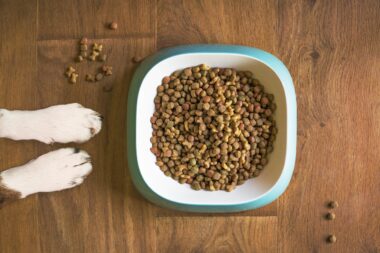
After an eventful dog show, proper nutrition is essential in aiding recovery and maintaining your dog’s health. The excitement and exertion during the show can lead to dehydration and energy depletion, so it’s crucial to ensure your dog receives balanced nutrition. Start with high-quality protein sources, such as chicken, beef, or fish, to help repair muscle tissues and support overall recovery. Additionally, carbohydrates play a vital role in replenishing energy levels, so consider including sweet potatoes or brown rice in their meals. Hydration is key, so provide plenty of fresh water before and after the show. Moreover, you may introduce a nutritious kibble specifically designed for active dogs to ensure they are receiving the nutrients they need. Always consult your veterinarian regarding dietary changes or supplements. Monitoring your dog’s condition after the show can help determine if their nutritional needs are being met. Keep an eye out for any unusual fatigue or discomfort as well, as these could signal a need for dietary adjustments. Ultimately, prioritize your dog’s post-show nutrition for healthy recovery and performance at future events.
Choosing the right foods is critical to ensure that your dog recovers efficiently after a show. Incorporating healthy fats into their diet can also promote skin and coat health. Omega-3 and omega-6 fatty acids, sourced from fish oil or flaxseed oil, can help maintain a shiny coat while supporting the immune system. Additionally, consider including leafy greens, like spinach and kale, which are loaded with vitamins and minerals that enhance your dog’s overall wellbeing. Supplementing their diet with probiotics can also improve digestion and aid in nutrient absorption, further supporting recovery. When selecting treats, opt for options that are low in fillers and high in nutrients to ensure that your dog is receiving quality calories. Always keep a close watch on their weight and adjust feeding portions accordingly. Overfeeding can lead to obesity, impacting their future performance. Lastly, ensure that feeding times are consistent and aligned with your show schedule to support energy levels effectively. Regular, healthy meals will keep your dog in prime condition, ready for the next competition, all while building a strong bond through shared nutrition practices.
Tailoring Nutrition to Your Dog’s Specific Needs
Every dog is unique, and so are their nutritional needs, especially after a strenuous activity such as a dog show. Larger breeds may require more calories than smaller breeds, which can affect how you structure their meals post-show. It’s vital to tailor your dog’s diet based on their size, age, and activity level. Keep in mind that senior dogs often have different dietary requirements compared to active puppies. For instance, older dogs may benefit from joint supplements to help with recovery. Additionally, adjust protein levels according to their recovery needs; a dog that has exerted a lot of energy will require a higher protein intake. When determining portion sizes, use your dog’s weight and activity levels as guidelines. Also, consider any food allergies or sensitivities; ensuring that your dog is on an appropriate diet will enhance their recovery. Consulting with a veterinary nutritionist may provide tailored insights to support optimal recovery and health. As a dog owner, staying informed about your dog’s dietary needs will have lasting benefits that go beyond just recovery after shows.
Monitoring your dog’s response to nutritional changes is key to ensuring overall well-being post-show. Keeping a daily log of their meals, hydration, and physical condition can provide valuable insights into what works best for your dog. Pay close attention to their energy levels; higher energy can indicate successful recovery, while lethargy may signal the need for dietary adjustments. Observe their coat condition, weight, and overall mood as well, as these factors can reflect how well their nutritional needs are being met. Ensure you’re aware of how they digest new foods, especially after a dog show, as stress can influence that aspect. If they experience any gastrointestinal disturbances, consider discussing these changes and symptoms with your veterinarian. Additionally, providing variety in their diet can keep mealtimes enjoyable, which contributes to good mental health. Engaging in regular physical activities and maintaining a routine for meals are excellent complementary practices to nutrition. Prioritizing your dog’s dietary needs and monitoring will help cultivate a happier, healthier, and more energetic pet that excels in future shows.
Hydration Strategies for Quick Recovery
Hydration is one of the most important aspects of your dog’s post-show recovery. Dehydration can hinder recovery processes and lead to further health issues if not addressed promptly. Following the show, offer clean and fresh water immediately to help replenish fluids lost during strenuous activities. You may also consider providing an electrolyte-enhanced drink specifically designed for dogs, which can help restore lost minerals and fluids more effectively than plain water. However, be sure to choose products that are safe and approved for canine consumption. Additionally, wet dog food can be a beneficial option as it helps increase overall fluid intake, especially for picky drinkers. Monitor your dog’s water intake, ensuring they drink enough throughout the day. You can encourage hydration by adding water to their food or providing ice cubes as a treat. Always keep an eye out for any signs of dehydration, such as dry gums or excessive panting. By prioritizing hydration post-show, you are supporting your dog’s recovery, energy levels, and future performances while promoting their overall health and wellbeing.
Incorporating supplements into your dog’s diet can enhance their recovery and overall health following a dog show. Common supplements include omega fatty acids, glucosamine, and probiotics. Omega fatty acids are essential for maintaining healthy skin and coats, while glucosamine helps support joint health, especially significant for active dogs after physical exertion. Probiotic supplements can enhance gut health, aiding digestion and nutrient absorption, thus supporting recovery. Always seek high-quality supplements that are NSF-certified for their efficacy and safety. Additionally, consider the timing of supplementation; administering them gradually during recovery can allow you to observe their effects. Discussing with a veterinarian before introducing any new supplements is crucial to ensure they align with your dog’s specific health requirements. Keep track of any improvements or changes in your dog’s behavior or health. Adjusting nutritional and supplemental strategies based on individual needs will yield better outcomes. Your goal should center on fostering an optimal environment for recovery and enhancing your dog’s health, which contributes to their performance and well-being in future dog shows while strengthening the owner-pet bond.
Establishing a Routine for Optimal Nutrition
Creating a consistent routine for your dog’s nutrition greatly benefits their recovery and health. Routine helps dogs adapt better to dietary changes, which can support digestive health and overall well-being. Schedule regular feeding times, preferably after shows, so that your dog’s body can anticipate meals. This routine also facilitates monitoring their hunger levels and maintaining their ideal weight. Balancing protein, fats, and carbohydrates at each meal is essential; aim to establish this harmony in their diet regularly. Gradually introducing new foods rather than making abrupt changes can prevent gastrointestinal upset and ease transitions. Reward-based feeding can also encourage healthy eating habits; try incorporating training into mealtimes as a fun, engaging activity. Moreover, engage with your dog during meal preparation; this involvement fosters bonding and teaches them to value their nutrition. Lastly, periodically re-evaluate their dietary plan based on activity levels, weight changes, and health needs, seeking guidance from a qualified veterinarian to adapt to changes effectively. Establishing a nutrition routine is fundamentally beneficial for maintaining health and supporting recovery after dog shows, ultimately ensuring your dog is primed for success.
Understanding the importance of nutrition and hydration in your dog’s routine is crucial for maintaining their health and enhancing performance. As valued companions and participants in dog shows, your dog’s well-being is paramount. Every aspect of their care, from the type of food they consume to their hydration methods, significantly contributes to their overall performance and health management. By prioritizing quality nutrition and hydration post-show, you support their recovery process, keeping them fit and energized for future engagements. Stay informed about trends and recommendations in canine nutrition, seeking professional advice to optimize your dog’s dietary approach. Balancing their nutritional needs while tailoring to their specific demands will yield positive outcomes. Regular check-ups with your veterinarian ensure dietary adjustments are effective, keeping your dog in peak condition. Ultimately, being an informed and attentive pet owner will pave the way toward a healthier, more vibrant life for your dog, enhancing not just their capabilities in the ring but also their overall quality of life. Consistency in care will reflect in every performance, making each dog show a celebration of good health and vitality.