
Spotlight on Rare Breeds Featured in Dog Shows
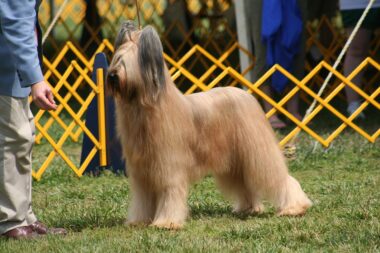
Dog shows are a fantastic opportunity to celebrate unique and less common breeds that often don’t receive the attention they deserve. Many of these rare breeds have rich histories and fascinating characteristics that make them intriguing companions. Exhibitors and breeders invest considerable effort into preparing their dogs for these competitions, demonstrating the beauty and traits that distinguish their breeds. Among these rare canines, the Irish Wolfhound stands out for its size and gentle demeanor, making it a favorite among enthusiasts. Similarly, the Norwegian Elkhound enchants crowds with both its charming appearance and its hardworking nature, adept in hunting and herding. Furthermore, the Lagotto Romagnolo, a breed known for its truffle-finding ability, captivates audiences with its energetic spirit. All dogs presented at shows undergo meticulous grooming and training, emphasizing the bond between the handler and dog. Adding variety to the competition, exhibits also encourage appreciation for breeds such as the Curly-Coated Retriever and the Azawakh. Spectators can immerse themselves in learning about these lesser-known breeds through the detailed presentations made by the breeders. Each breed tells a story, showcasing its uniqueness at these celebrated events.
In the realm of dog shows, an increasing number of rare breeds are showcased, bringing attention to their uniqueness and charm. Breeders of these special breeds strive to maintain their distinctive traits while adhering to the standards set by various kennel clubs. The official recognition from these clubs raises awareness not only for the breeds but also for the issues surrounding their preservation. One breed worth mentioning is the Kishu Ken, a Japanese hunting dog that is not only rare but also carries cultural significance. Showcasing Kishu at dog shows educates attendees about this breed’s history and hunting skills. Similarly, the Xoloitzcuintli, or Mexican Hairless Dog, has a unique appearance and historical relevance in Mesoamerican cultures. Both breeds highlight the need for responsible breeding practices to ensure the survival of these breeds. Through dog shows, interested individuals can connect with breeders, forming a support network that promotes responsible ownership and preservation. This engagement allows fans of specific breeds to champion their ideals. It inspires future generations to learn about dog breeding and training.
The Importance of Recognition
Recognition of rare breeds at dog shows is crucial not only for the dogs but also for their future. When breeders and clubs spotlight these unique animals, they attract potential owners and advocates who become part of their journey. For instance, the Sloughi is a breed cherished in North Africa, yet relatively unknown elsewhere. Promoting the Sloughi through shows opens opportunities for enthusiasts to learn about its needs and characteristics. Equally significant is the Catalan Sheepdog, a rare breed with a fascinating history in Spain. Their presence at dog shows creates awareness and appreciation for diverse breeds. Potential buyers often seek breeds featured in competitions due to their visible merits and health certifications. This demand encourages breeders to promote ethical breeding practices, ensuring the future of these breeds remains secure. In addition, educational programs during dog shows help the audience understand the importance of breed preservation. These programs often include discussions on genetics, common health concerns, and training tips. Through this multifaceted approach to breed awareness, dog shows contribute positively toward the survival of rare breeds.
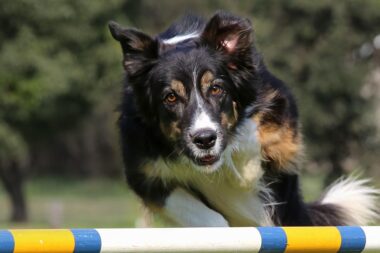
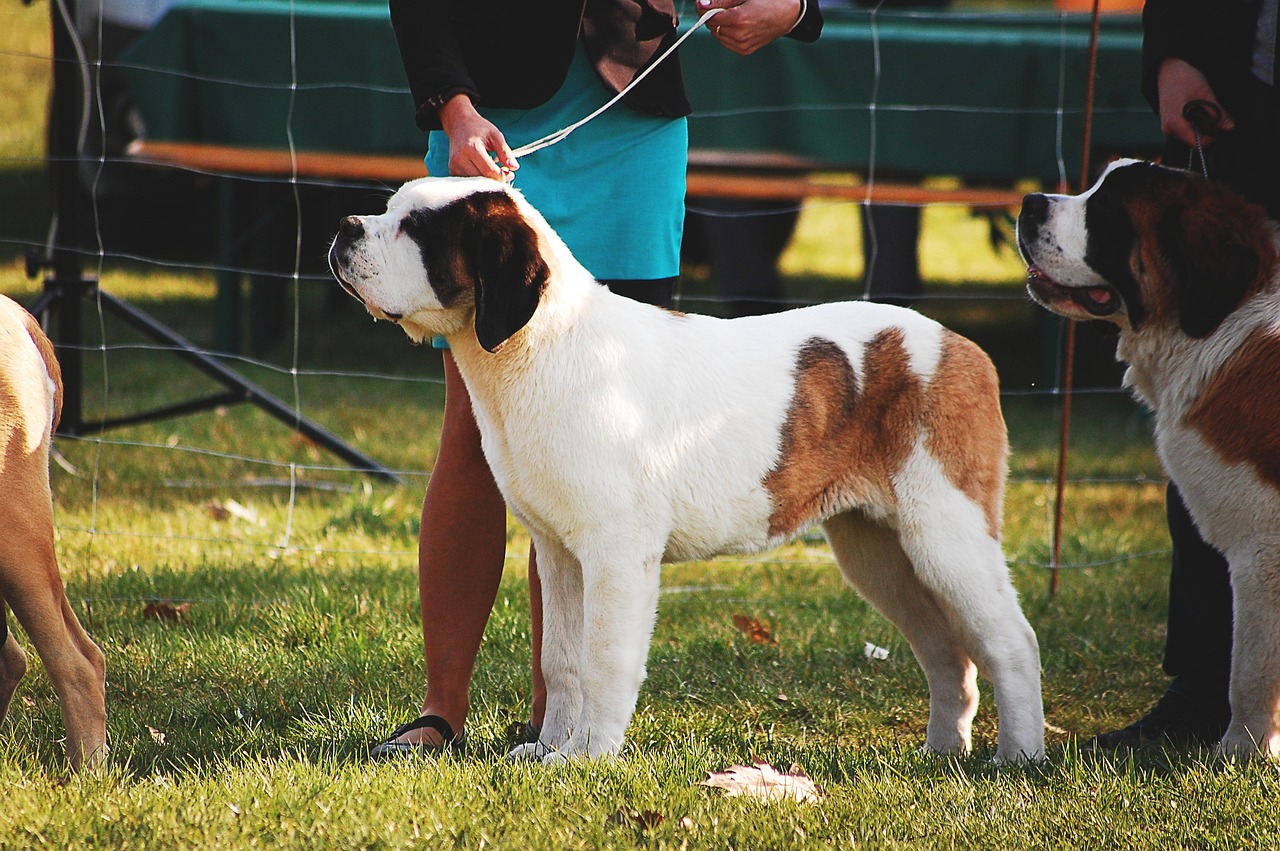
Many dog shows include unique categories that specifically highlight rare breeds, allowing them to compete against similar types. This categorization increases fairness in judging, emphasizing breed standards and individual qualities. In many cases, rare breeds are judged on their conformity to breed standards that have been set by the relevant kennel club. These specifications promote knowledge among judges and spectators alike, fostering familiarity with each breed’s traits. Additionally, breed-specific clubs often establish special awards at these dog shows, further incentivizing exhibitors to present their dogs. The Salukis, for instance, often participate in specialized categories where their elegance and physical abilities are showcased. Collectively, these competitions inspire responsible breeding and ownership practices that honor tradition while promoting healthy practices. Beyond the sheer competition, rare breeds draw interest through tales of their origins and purposes. For dog enthusiasts, acquiring a rare breed can be an endeavor steeped in ongoing education about the breed’s specific needs and personality traits. Many of these breeds excel in various activities beyond the show ring, such as hunting, agility sports, or even therapy work.
Fostering Community and Connection
In addition to the competitive aspects, dog shows foster community connections among rare breed enthusiasts. The camaraderie among breeders, owners, and admirers creates support systems where sharing knowledge becomes paramount. Many dog shows facilitate seminars and workshops that delve into training, grooming, and health considerations relevant to rare breeds. These opportunities for social interaction allow participants to build relationships over shared interests and challenges. For instance, the Wolfspitz, often displayed in shows, not only charms viewers with its fluffy coat but also creates bonds through shared advocacy among its owners. This network extends beyond competitions, offering resources relating to breed care and understanding behavioral traits. Many individuals find lifelong friends within these communities, showcasing how passion for rare dog breeds transcends competition. Rare breed clubs often become instrumental in organizing educational events, seminars, and community outreach initiatives. Hosting these shows brings awareness to important breed preservation efforts, highlighting ethical breeding practices and proper training methods. With communication channels opened, discussions on breed-related issues flourish among enthusiasts.
As dog shows continue to evolve, the integration of technology plays a pivotal role in enhancing the experience for both participants and spectators. Live streaming options allow viewers to watch rarer breeds compete, heightening exposure to those breeds. Social media platforms amplify the excitement surrounding dog shows, providing updates and highlights, thereby engaging a broader audience online. A perfect example is the American Bulldog, a breed that has gained followers through various online platforms. Additionally, breeds like the Tamanawa Hound can reach enthusiasts far beyond their local communities, generating awareness and potential adoption interest. The introduction of virtual competitions has also created avenues for showcasing a breed’s abilities and charm, especially for those who cannot travel to events. Such innovations not only push the boundaries of traditional dog shows but also enhance educational aspects through shared experiences online. Encouraging further discussions about breed characteristics ensures a continuous dialogue among dog lovers. The dynamic for rare breeds feels ever-changing, with each new competition offering a stage for both education and enjoyment.
Looking Ahead: Future of Rare Breeds in Dog Shows
As we look ahead, the future of rare breeds in dog shows seems promising yet requires collective effort for preservation. Engaging the next generation of dog lovers is vital to maintain these unique lines of breeds. Youth programs within dog shows are essential, offering opportunities for young handlers to learn skills in training and breed-specific care. Such initiatives will inspire youngsters to continue the tradition of showcasing these rare breeds. Additionally, collaboration between breed clubs can enhance knowledge-sharing, effectively creating a more informed community of dog owners. Bringing in experts for lectures and interactive sessions can further elevate the educational experience at shows. It’s crucial that the different dog societies work together to promote these breeds and prevent them from declining in popularity. By engaging with the public through demonstrations and participation in community events, rare breeds can foster an appreciation that translates into lifelong ownership and stewardship. The coming years will likely see better awareness of rare breeds, propelled by ongoing efforts and advancements in understanding breeding and training best practices.
In conclusion, the ongoing spotlight on rare breeds at dog shows highlights the value they bring to the canine community. These events not only showcase the beauty and diversity of dog breeds but also advocate for the importance of responsible breeding and ownership. Every breed has its unique characteristics, charms, and responsibilities, making the education surrounding them crucial for future generations. Rare breeds like the Swedish Vallhund or the Azawakh offer enthusiasts not just companionship but also a gateway into the expansive world of dog culture. Successfully presenting these breeds at dog shows captivates audiences and encourages prospective owners, ensuring that these breeds continue to thrive. Through partnerships between organizations and clubs, the commitment to preserving rare breeds will elevate the status of lesser-known dogs. The stories of each breed extend beyond the show ring and come to embody the spirit of loyalty and companionship. Enthusiasts’ hard work and dedication underpin a brighter future for these breeds, one that fosters appreciation and love. In this collective spirit, everyone plays a part, ensuring that dog shows remain a celebration of diversity.