
Using Treats and Rewards to Help Your Cat Accept Grooming
Understanding your cat’s behavior is essential when introducing grooming techniques. Cats generally do not enjoy being brushed or groomed like some other pets. They might react negatively because of previous experiences or simply due to their independent nature. Fortunately, you can effectively use treats and rewards to encourage positive grooming experiences for your feline companion. Start by establishing a calm and quiet grooming environment where your cat feels secure and relaxed. Gradually, introduce grooming tools such as brushes and combs, allowing your cat to investigate them at their own pace. By getting your cat accustomed to these tools first, you set a foundation for a successful grooming routine.
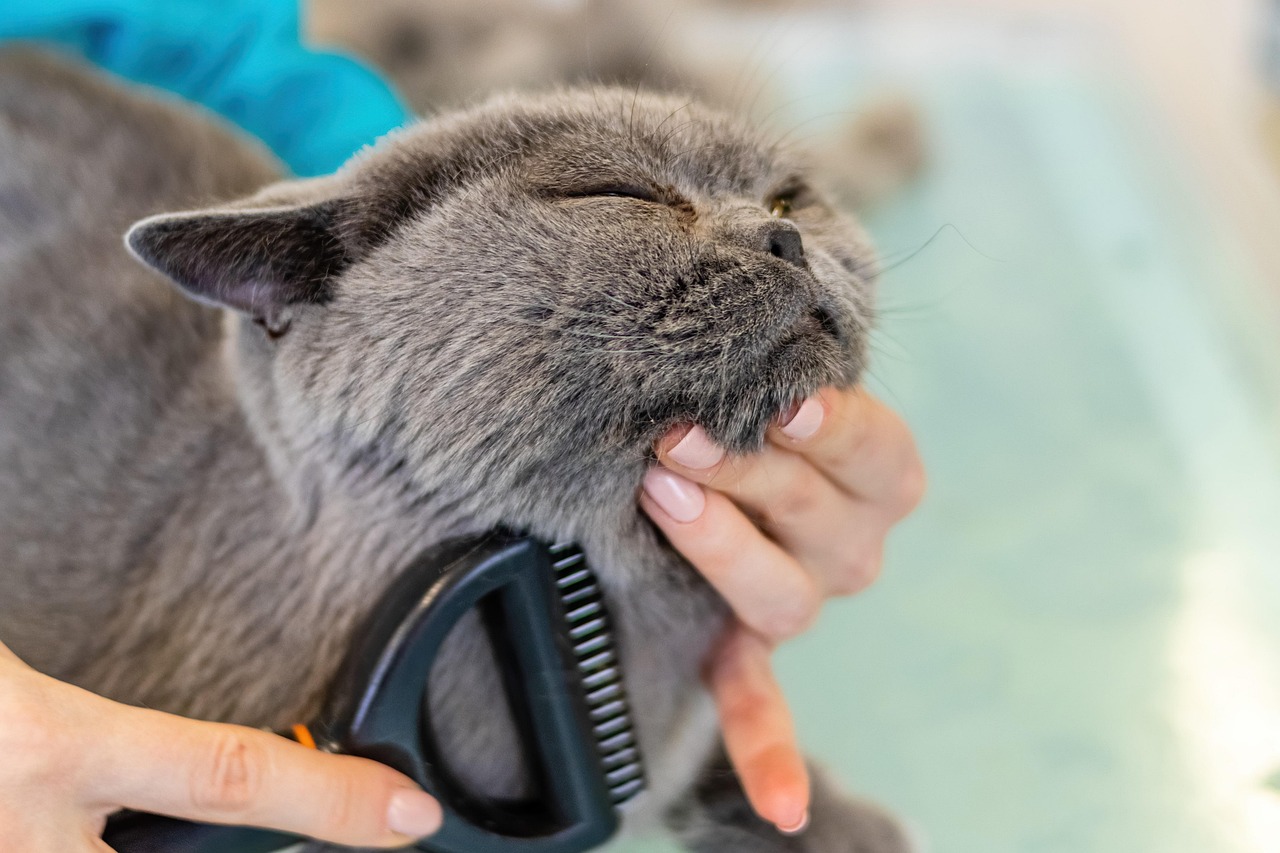
Begin by gently introducing the brush to your cat’s fur for short moments, rewarding them immediately after with their favorite treat. This will help create a positive association between grooming and rewards. Continue with this technique during multiple sessions, gradually increasing grooming duration while consistently rewarding your cat. It’s crucial to observe your cat’s reactions during these sessions. If they show signs of fear or aggression, take a step back and reduce the intensity. Some cats might require a more gradual introduction to grooming. This process might take time, but patience is key. Remember, consistency in your rewards and grooming times will yield the best results.
Incorporating positive reinforcement is an effective cat training technique. As you reward your cat with treats, positive words, and gentle strokes, you reinforce the notion that grooming is a desirable activity. Always pay attention to how your cat reacts to different grooming techniques. Cats may have specific areas they dislike being groomed. If your cat enjoys being petted, start by touching those areas softly with the brush. Gradually work towards areas they may find sensitive, always using treats to encourage calm behavior. Ensure the grooming routine is suitable for both your cat’s temperament and preferences. This personalized approach fosters trust and reduces anxiety.
Choosing the Right Treats
The right selection of treats is fundamental to your cat’s acceptance of grooming. It’s essential to use high-value treats that your cat genuinely loves. Experiment with different types of treats, such as crunchy, creamy, or meaty options. Observe which ones excite your cat the most. You can use small portions to avoid overfeeding while ensuring their enthusiasm for treats remains high. Treats should complement your cat’s diet, focusing on healthy options that support their overall wellness. In some cases, using their favorite canned foods as rewards can be an effective strategy. Ultimately, the goal is to associate grooming with something your cat finds enjoyable.
To create a more engaging grooming experience, consider combining treats with play. Before beginning a grooming session, play with your cat for a brief period to expend some of their energy. This can make them more amenable to sitting still while they are brushed. Additionally, mixing treats with toys can keep cats intrigued and eager for grooming time. For instance, you can use a catnip-infused toy as a focal point while grooming. As your cat interacts with the toy, apply gentle pressure with the brush and reward them with treats. This approach makes grooming feel less like a chore and more like a fun activity.
Gradual Exposure and Short Sessions
Gradually increasing grooming time is crucial in training your cat to accept grooming. It’s recommended to start with short sessions, lasting only a few minutes, followed by immediate rewards. As your cat starts feeling comfortable, slowly extend the duration. The key is to keep these sessions positive and aligned with your cat’s comfort level. If your cat begins to show signs of irritation, like twitching tails or low growls, take it as a cue to conclude the session before negativity can set in. By following this method, you ensure that your cat develops a more accepting attitude towards grooming.
In addition to using treats and rewards, utilize calming techniques. Switching locations while grooming, playing relaxing music, or incorporating quiet, soothing tones can help alleviate stress. Alternatively, choosing specific times for grooming when your cat is naturally relaxed can enhance overall acceptance of the grooming process. If your cat becomes uncomfortable, don’t hesitate to pause the grooming session and allow your furry friend to explore the grooming tools at their own pace once more. With patience, love, and a good strategy, you’ll notice remarkable improvements in your cat’s attitude towards grooming sessions, fostering a better grooming experience for both of you.
Conclusion
Ultimately, building a positive grooming experience for your cat relies on patience and understanding. The integration of treats and rewards is an effective strategy that can transform your grooming routine into an enjoyable affair. Remember that each cat is unique. Tailor your approach to fit their specific needs. Learning to accept grooming may require continuous adjustments based on your cat’s reactions. Refer back to the principles outlined — gradual exposure, the use of enticing treats, and consistent positive reinforcement. With dedication, grooming can become a normal part of your cat’s care routine that they willingly participate in. Soon, you and your cat will embrace grooming without the fuss and with plenty of rewarding moments!