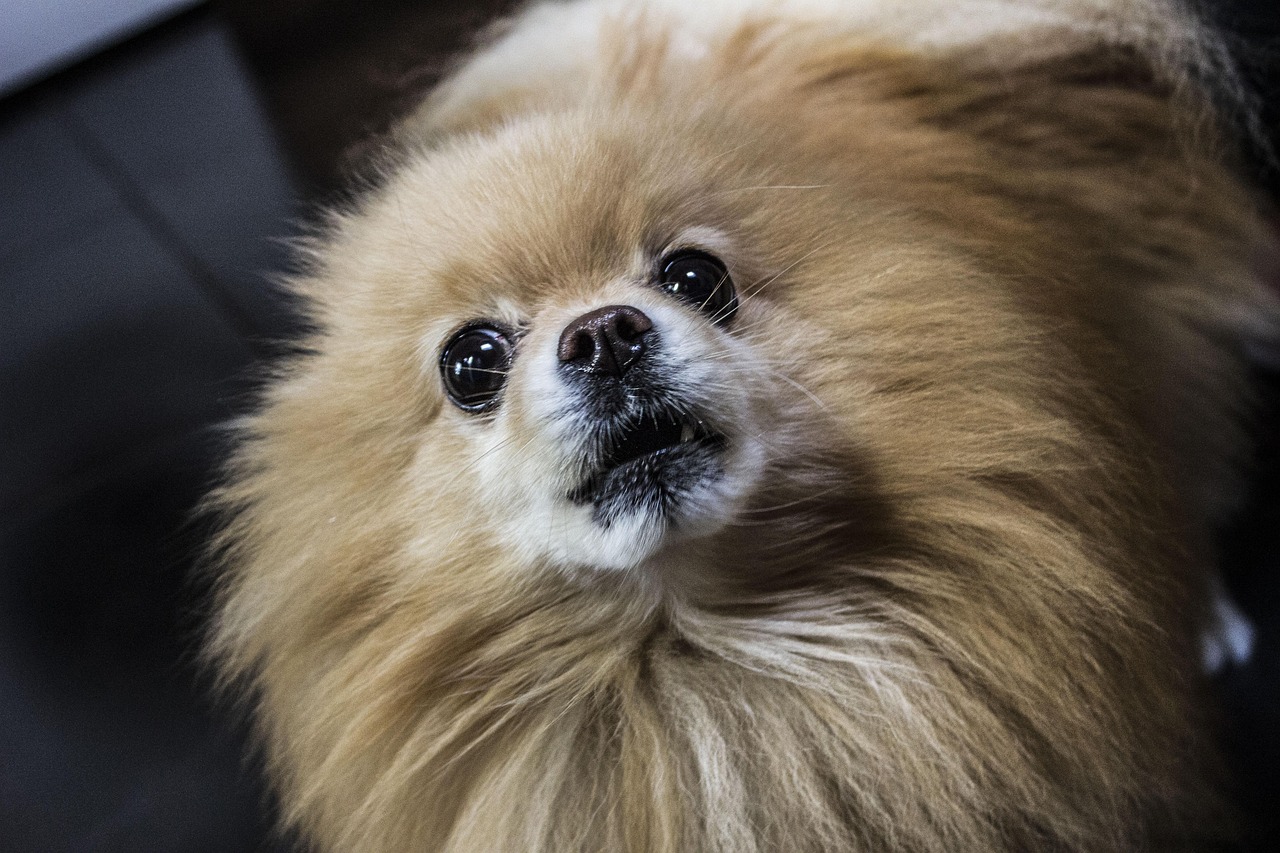

Aggressive Behavior in Rescue Dogs: What to Expect and How to Help
Many rescue dogs arrive at their new homes with a complex set of behaviors, often stemming from previous trauma or neglect. Understanding aggressive behavior is crucial for responsible dog parenting. Recognizing the triggers of aggression in rescue dogs is essential for creating a safe environment. Common triggers can include loud noises, unfamiliar people, or even certain types of pets. Owners should be vigilant about identifying these triggers to prevent escalation. Early intervention is key to successful rehabilitation of aggressive behaviors. Owners should assess their dog’s body language for signs of fear or anxiety, such as growling, snapping, or cowering. With time, patience, and consistent training, many rescue dogs can overcome their aggression. Consulting a professional trainer with experience in aggression can be beneficial. As owners, we have the responsibility to create a nurturing and encouraging environment. Positive reinforcement techniques work well for training, focusing on rewarding good behavior. Understanding that aggression may manifest at different levels is important to set realistic expectations. Involving family members in the training process ensures that everyone is on the same page, reinforcing a cohesive approach to addressing aggression.
Rescue dogs can exhibit a variety of aggressive behaviors, including territoriality and food guarding. This behavior often stems from insecurity or anxiety due to previous experiences. Owners need to recognize the signs, such as stiff body posture or barking when someone approaches their food. To effectively manage these situations, it’s important to establish a routine that helps build trust. Regular feeding times and personal space can lessen anxiety and make them more comfortable in your home. Redirecting their energy toward positive activities, such as exercise or training, is another effective way to mitigate aggression. Engaging them in exercises like leash training or obedience commands can foster a sense of security and build a strong bond between you and your dog. Creating a safe environment free from perceived threats will further diminish aggressive tendencies. Always approach your rescue dog calmly, using a soothing voice to encourage positive interactions. The importance of socialization cannot be overstated; introducing your dog to various environments, people, and other pets can help them learn appropriate behavior. Gradual introductions ensure that your dog feels confident and secure, allowing them to adjust positively.
Understanding Triggers and Signals
To effectively manage aggression in rescue dogs, it’s imperative for owners to understand the signs of aggression and the potential triggers. Aggression in dogs often has a basis in fear or anxiety, and identifying these triggers is essential for therapy. Dogs may show aggression towards other dogs or unfamiliar humans, and being aware of common signs such as growling, puffed fur, or bared teeth can help in early intervention. Owners should remain observant and patient, noting any situations that lead to aggressive behavior. Keeping a diary of incidents can be beneficial in pinpointing behavioral patterns over time. Recognize that recovery is a gradual process; not every rescue dog will respond the same way to training. Consult with veterinarians if necessary. On many occasions, aggression can result from underlying medical issues causing pain or discomfort. Thus, professional assessment can reveal crucial information that leads to more effective handling of the situation. If aggression is rooted in fear, working through desensitization techniques may aid in decreasing anxious responses. Owners should maintain consistent communication with their rescue dog to foster connection and understanding.
With patience and commitment, many rescue dogs can be transformed into loving pets. One effective method for addressing aggression is through the implementation of positive reinforcement. This encourages desired behaviors through treats and praises, rather than punishment. As rescue dogs often come from difficult backgrounds, a gentle approach is necessary for building trust. Training sessions should be short but frequent, focusing on basic commands first. For instance, teaching ‘sit’ and ‘stay’ can build a foundation for more complex commands. Owners should acknowledge their dog’s progress, no matter how small it may be. Positive reinforcement not only helps curb aggressive tendencies but also strengthens the bond between the dog and owner. A well-trained dog feels secure and more confident in their environment. It’s critical to remain consistent with commands and rewards to ensure effective learning. Gradually introducing new experiences can also help rescue dogs adapt better to various situations. Engaging in group training classes can enhance social skills while learning to interact positively. These classes also provide valuable insights from other dog owners facing similar challenges.
The Role of Professional Help
Seeking professional assistance is often a wise decision when dealing with aggressive behavior in rescue dogs. Professional trainers or behaviorists bring experience and techniques that are vital for addressing complex aggression issues. They can provide tailored advice specific to your dog’s behavior and needs. Additionally, joining a local dog training group can provide insights into collective experiences, fostering a supportive environment for participants. Understanding leash techniques, body language interpretation, and safety measures can all contribute to effective management strategies. Remember that every dog is unique; what works for one may not necessarily work for another. Continuous education about dog behavior can equip owners with tools to better manage aggression. Online resources, books, or local workshops can provide additional knowledge. Consider consultation with a veterinarian who can help rule out health-related causes of aggression that may necessitate medical treatment. These professionals can also guide any necessary behavioral medication. It’s essential to remain adaptive in your approach, making changes as needed to ensure a safe and happy environment for both the dog and family.
Developing a robust support system is invaluable for rescue dog owners dealing with aggression challenges. Sharing experiences with other rescue dog families can provide camaraderie, insights, and encouragement. Online forums and social media groups dedicated to rescue dogs can serve as platforms for advice and support. Interaction with other dog owners who are facing similar issues may reveal new techniques or strategies you can try at home. Additionally, seeking guidance from certified dog trainers can offer tailored solutions. Building relationships in your community can lead to shared resources tailored to understanding dog behavior, such as training sessions or socialization opportunities. Alongside seeking social support, maintaining patience and understanding when managing aggressive behaviors is critical. Resilience will be essential for owners throughout this journey. Progress may be slow, but celebrating small victories ultimately fosters a positive environment for both the dog and household. Remember that change is possible; with dedication and the right resources, aggression can be managed effectively. Fostering love, security, and understanding leads to a fulfilling relationship with your rescue dog.
Establishing clear boundaries is another essential strategy for dog owners. Dogs flourish with structure and routines, which can help reduce anxiety and aggressive tendencies. Ensuring your dog knows which behaviors are acceptable will foster a feeling of safety. For example, creating designated areas for feeding and resting helps establish control in your home environment. Owners should consistently enforce boundaries, ensuring their dog understands the limitations. Training techniques should be firm yet gentle to ensure effectiveness, providing clear guidance without intimidation. A rule-based approach gives dogs a sense of security. Utilizing commands such as ‘leave it’ or ‘no’ helps guide your dog away from unwanted behaviors. Establishing a schedule for walks and playtime reinforces stability, promoting trust and reducing anxiety. Relaxed environments allow dogs to flourish emotionally and physically. Close attention to body language will enable owners to understand their dog’s state of mind, allowing early intervention if necessary. Combining structure with positive reinforcement techniques creates a balanced approach to managing aggression. In doing so, owners contribute to a safe home environment, laying a foundation for lifelong connections.
In concluding, addressing aggression in rescue dogs requires ongoing education, consistent training, and patience. Each dog presents unique challenges, shaped by their history and experiences. By recognizing behavioral triggers, employing positive reinforcement strategies, and seeking professional help when needed, owners can foster understanding with their rescue dogs. Implementing structured routines offers a sense of stability, reducing anxiety and aggression in the process. Support from fellow dog owners and professionals can elevate the training process, adding additional perspectives on handling aggression. Sharing experiences through communities dedicated to rescue dogs can also enrich the owner’s journey, offering critical encouragement along the way. Continuous communication and adaptation are key to successful interactions. Observing your dog’s behaviors will inform necessary adjustments to your approach. Achieving a fulfilling bond with a rescue dog is rewarding and necessitates effort. Remember, progress may vary, and celebrating small milestones is important. Ultimately, maintaining a loving, safe, and consistent environment breeds trust and a lifelong companionship. The journey of understanding and transforming aggressive behaviors into love can lead to transformative experiences for both owner and dog alike.