
Can Reactivity Be Completely Cured? Exploring Expectations
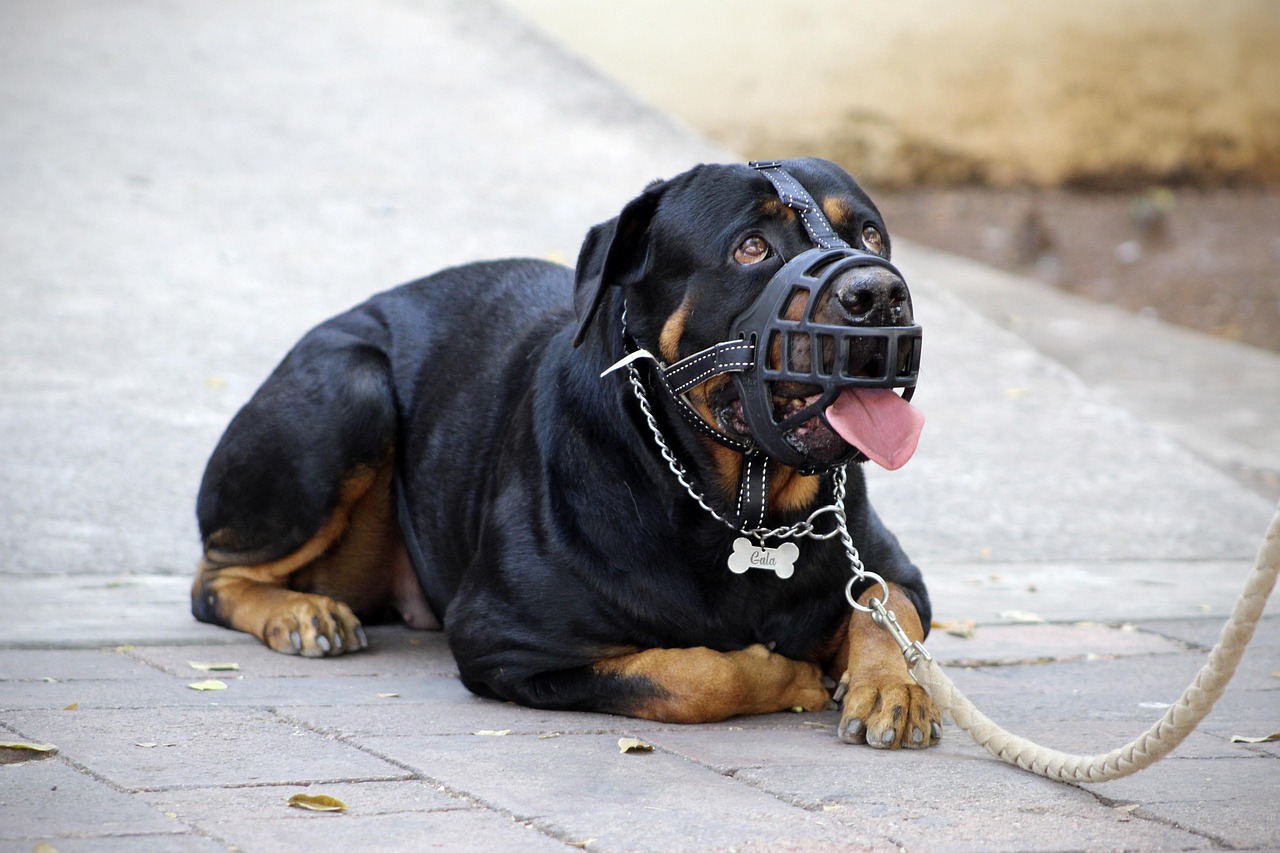
Reactivity in dogs towards other animals can pose significant challenges for pet owners. Understanding this behavior is crucial in addressing it effectively. Reactivity is often expressed through barking, lunging, or growling when your dog sees another animal. A reactive dog can cause stress for both the owner and other pet owners nearby. It’s essential to grasp the underlying reasons driving the reactivity to implement appropriate solutions. Various factors contribute to reactivity, including fear, a lack of socialization, or territoriality. Focusing on proactive training can help reduce these behaviors. Positive reinforcement strategies that reward calm behavior are particularly effective in encouraging desired actions. Additionally, management strategies, such as using a leash or muzzle when necessary, can mitigate potential issues in public spaces. Consulting with a professional dog trainer or behaviorist can also yield personalized strategies to address reactivity. The goal is not to completely cure reactivity but to manage it effectively, improving the quality of life for both dog and owner. Gradual exposure, socialization, and training can lead to significant improvements in behavior over time, fostering a more harmonious environment at home and in public.
Reactivity can manifest in different forms, highlighting the importance of understanding specific triggers. These triggers can be other dogs, cats, or even wildlife. Identifying the exact cause of reactivity allows for targeted approaches in training. For instance, if your dog reacts to other dogs, observing their body language when they encounter another dog can reveal whether it’s fear, excitement, or frustration driving the behavior. By understanding the unique profile of your dog’s reactivity, you can tailor your response accordingly. For example, practicing calmness during encounters can immensely alleviate anxiety in your pet. It’s also vital to create a safe space for your dog to retreat to when overwhelmed. This approach benefits not only your dog but also helps maintain peace in stressful situations involving other animals. Consistency in training and behavior expectations are key factors contributing to improvement. Furthermore, patience should be an essential part of your training philosophy. Behavioral change takes time, and celebrations of small victories should accompany each step. Always remember that the journey towards managing reactivity means prioritizing your dog’s emotional well-being, ultimately leading to a more relaxed and enjoyable experience for both of you.
The Role of Professional Help
While many pet owners may feel capable of addressing reactivity alone, professional guidance can make a significant difference. A certified dog trainer or behaviorist has the expertise to create tailored plans that consider the unique aspects of your pet’s behavior. They can also help identify patterns that may not be obvious to the owner. Engaging with a professional offers access to structured methods and extensive knowledge on dog behavior. This approach is particularly beneficial for severe cases where DIY methods may not suffice. Comprehensive assessments can address various dimensions of reactivity. Behaviorists often utilize techniques such as desensitization and counter-conditioning to gradually reduce the reaction to triggers. Employing these strategies under professional supervision minimizes risks and ensures correct application. Furthermore, trainers can educate owners on handling situations effectively, building confidence in managing encounters with other animals. Observing training sessions can also enrich your understanding of canine body language and communication. Over time, cooperation with a trained professional can significantly diminish a dog’s reactivity, allowing for safer and more enjoyable outings. Choosing to seek help strengthens the dog-owner bond and fosters an environment of trust and security.
Managing reactivity isn’t just a short-term goal but a long-term commitment. Continuous training and adjustments are necessary as situations evolve. For pet owners, learning to recognize their dog’s stress signals is fundamental. This awareness helps in anticipating potential reactive situations and modifying your approach before they escalate. It’s vital to practice calming techniques, such as deep breathing or redirecting attention, during encounters with other animals. Consistency in handling reactivity reduces unpredictability for your dog, fostering a sense of security. Gradually, with the right methods, dogs can learn to coexist with triggers, leading to a calmer demeanor over time. Incorporating socialization opportunities into your routine further supports progress. Arranging controlled meetings with other animals in a calm environment can build a more positive association. Use of tools like training treats or toys during these encounters enhances the experience. A gradual introduction to various stimuli, paired with positive reinforcement, ensures the learning process is effective. Over time, these practices elevate your dog’s ability to cope with stressors. It’s crucial to keep communication lines open with your professional support system, ensuring that changes are addressed promptly to foster ongoing success.
Setting Realistic Expectations
Understanding that reactivity may never be fully eradicated is essential in managing expectations. Instead of seeking a complete cure, aiming for significant improvement in your dog’s behavior is far more attainable. Reactivity can dim over time with consistent training, patience, and techniques tailored specifically to your dog’s needs. Each dog’s progress is unique based on various factors, including age, history, and previous experiences. Tracking milestones during training can help adjust goals and keep motivation high. Celebrate everyday successes, no matter how small. It’s essential to acknowledge that fluctuating progress is often part of the process. Some days will be smoother than others; recognizing this will buffer against frustration. Keeping a clear perspective on long-term goals can also reduce anxiety for both the owner and the pet. Sharing your journey with other dog owners can provide additional support. Engaging in online forums or local groups builds a community around dog behavior challenges. Understanding that others face similar struggles can alleviate feelings of isolation. Ultimately, realistic expectations cultivate a compassionate approach towards yourself and your dog, encouraging growth in both areas.
Ultimately, the commitment to modifying reactivity means embracing patience in every interaction you have with your dog. A dog’s journey toward being less reactive relies on handling over caring. Understanding your dog’s needs creates a foundation for positive change. It’s also important to recognize that setbacks can occur. A reactive dog can have off days depending on environmental factors or changes in routine. Maintaining a calm demeanor as an owner during these times reinforces trust and stability. The more controlled and persistent efforts are, the more likely your dog will adapt to stimuli over time. Building a supportive network that includes trainers, fellow owners, or veterinarians can function as a resource reservoir during difficult times. The conversations shared can help develop additional strategies. Personal growth as a dog owner plays a significant role, as each new lesson learned enhances the confidence in training methods. Over time, dedication to consistent training results in an improved sense of ease and safety for both dog and owner. Adopting an ongoing learning attitude is vital to ensure a successful relationship. With patience, love, and time, strides can be made toward reducing reactivity successfully.
Conclusion and Next Steps
In conclusion, managing a reactive dog is a multifaceted journey requiring ongoing commitment and support. While complete reactivity may not be entirely attainable, substantial improvements can transform the quality of life for both your pet and you. By understanding the complexities of reactivity, establishing realistic expectations, and utilizing professional help, you can forge a stronger relationship with your dog. Continual training and socialization create opportunities for positive interactions. Remember always to celebrate the small victories, as they lead to monumental shifts in behavior and emotional well-being. Rather than focusing solely on outcomes, pay attention to the process itself and witness the growth in both your dog and yourself. Utilization of consistent training methods, guided by positive reinforcement, fosters resilience. Building trust and communication enhances the bond shared with your dog, creating a nurturing environment that promotes security. As you move forward, remain engaged in your dog’s journey, adapting approaches as necessary. Crafting a balanced lifestyle that integrates training into daily routines ensures sustainable progress. A deep understanding of your pet’s needs along with patience and dedication will lead to a gratifying companionship, paving the way for many joyful experiences.
As we conclude this exploration of reactivity in dogs and its management, it’s essential to remember that each dog’s experience is unique. Reactive behaviors aren’t merely problematic but signals towards your dog’s feelings in various contexts. By interpreting these signals correctly, you can foster a journey filled with collaboration and understanding. While training takes tremendous effort and dedication, the rewards are invaluable. Dogs who are less reactive can enjoy more enriched and fulfilling lives. Hence, supporting your furry friend through understanding and patience elevates both your emotional bonds. A packed schedule that integrates classes, socialization opportunities, and engaging activities ensures dogs are continuously learning. Staying informed on dog behavior and training techniques boosts your effectiveness as an owner. Engaging in community support can also provide both motivation and insights to avoid isolation. In summary, expect ups and downs during your dog’s management of reactivity. Progress may be gradual, but witnessing improvements reminds you of why you embarked on this journey. Drawing together the lessons learned and resources available can positively impact your dog’s behavior. The collaborative effort opens a pathway to a harmonious existence with other animals, fostering peace for all.