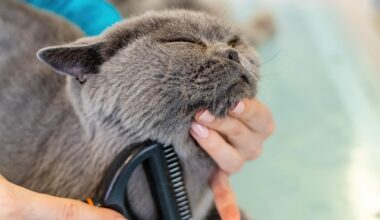

Keeping Your Cat’s Ears Clean and Healthy
Maintaining proper ear hygiene is crucial for your feline friend’s health. The ears of cats can harbor dirt, wax, and potentially harmful bacteria. Ignoring ear care may lead to infections or discomfort, causing your cat unnecessary pain. Regularly inspecting and cleaning your cat’s ears can prevent these problems. First, familiarize yourself with the anatomy of a cat’s ear; this helps in identifying abnormalities. Explain to your family how healthy ears should look and the signs to look out for. Make ear cleaning a part of your routine grooming sessions to create a positive experience. Use gentle and benign cleaning solutions, as harsh chemicals can irritate sensitive ear tissues. It’s wise to consult your veterinarian for recommendations on proper ear cleaning products. When cleaning, ensure that your cat is calm and comfortable to avoid squirming. Using a soft cloth or cotton ball, carefully wipe the outer ear area while avoiding deeper insertion into the ear canal. The goal is to keep the ear clean without causing injury, allowing your cat to maintain optimal hearing and comfort.
The frequency of ear cleaning varies according to specific needs. Factors such as breed, environment, and individual hygiene needs play significant roles in determining how often to clean your cat’s ears. For example, cats with long hair around their ears may require more frequent cleaning than short-haired breeds. Regular inspections for discoloration or excessive wax buildup are essential. If your cat has a history of ear infections, your veterinarian may advise a specific cleaning schedule. Aim to incorporate ear care into your overall grooming routine for better results. Increase cleaning frequency during seasonal changes, particularly when your cat may spend more time outdoors. Always be mindful of any discomfort your cat may show during the cleaning process, as this can indicate an underlying issue. If you notice excessive redness, swelling, or discharge when cleaning the ears, seek veterinary attention immediately. Avoid using cotton swabs as they can push debris deeper into the ear canal. Instead, rely on safer cleaning tools to protect your cat’s sensitive ears. By staying diligent about ear cleaning, you can help maintain your cat’s overall well-being and comfort.
Your cat’s comfort is paramount when addressing ear hygiene. The proper approach to ear cleaning can make it a stress-free experience for both of you. Start by choosing a quiet environment with minimal distractions. You can gently hold your cat, providing reassurance during the cleaning process. It’s advisable to leverage treats as a motivator and reward during and after cleaning sessions. This strategy builds a positive association, which can ease anxiety in future grooming times. Additionally, ensure that your cleaning tools are readily available and within reach for maximum efficiency. By creating a routine and making ear cleaning enjoyable, you can foster a trusting relationship with your cat. Implementing consistent rewards helps your feline friend adapt and appreciate the care given to their ears. Explore various techniques for proper placement while inspecting the ears, as this facilitates a smoother cleaning experience. Be vigilant during the cleaning process for any signs of distress. Recognizing your cat’s comfort levels is essential for proactively maintaining ear health and hygiene.
Signs of Ear Problems
Identifying ear issues early can significantly contribute to your cat’s health. There are several warning signs to watch for that may indicate ear problems. Symptoms may include excessive scratching, head shaking, or a foul smell emanating from the ears. If you observe a change in behavior—such as increased irritability or lethargy—this can also signal discomfort. Additionally, look for unusual discharge or fluid coming from the ears, as this can indicate infection or other medical issues. A visit to your veterinarian can provide insight and treatment options if necessary. Prompt action in response to concerning symptoms can alleviate pain and prevent further complications. Documenting and sharing any observations with your veterinarian will assist in diagnosing the issue effectively. Being proactive about your cat’s ear health is essential to their overall well-being and happiness. Furthermore, understanding your cat’s habits and routines will help in monitoring any sudden changes. Don’t hesitate to reach out for professional guidance if you’re ever unsure about the health of your cat’s ears.
In addition to regular cleaning, maintaining an overall healthy lifestyle for your cat can contribute to good ear hygiene. A balanced diet rich in essential nutrients ensures the immune system functions optimally, which in turn helps prevent infections, including in the ears. Promote hydration by ensuring your cat has access to fresh water at all times. Regular exercise and play not only keep your cat fit but also encourage awareness of their body, leading to better self-care instincts. Furthermore, regular veterinary check-ups allow for early detection of any potential ear issues, ensuring your cat receives timely treatment. It’s vital to prioritize preventive measures, as this strategy saves not only time but also money in the long run. Furthermore, consider the importance of stress reduction; a relaxed cat is less likely to experience health issues. Creating a comfortable home environment with ample space for quiet time can benefit your cat’s overall well-being. By implementing these holistic approaches to care, ear maintenance becomes more manageable and effective.
Conclusion
In conclusion, ear hygiene in cats should be a priority for any responsible pet owner. Regular ear cleaning and monitoring can prevent a variety of issues and improve your cat’s quality of life. Understanding your cat’s individual needs can make a significant difference in their health and happiness. Enlist the help of your veterinarian to establish a cleaning routine that works best for your cat’s specific requirements. Be gentle, patient, and attentive during cleaning to ensure your cat feels safe and secure. Creating a consistent schedule will promote better ear health over time. By fostering an environment of trust and understanding, you can significantly enhance the grooming experience for your furry friend. Moreover, keeping your cat’s ears free from debris allows them better hearing capabilities and an overall sense of well-being. Therefore, prioritize ear care as part of your cat’s grooming routine. By doing so, you contribute to a happy and healthy feline life, ultimately enhancing the bond you share with your pet. Embrace these actions as an essential component of responsible cat ownership.
On the journey of cat parenting, grooming your furry friend brings great rewards and strengthens the bond. Your commitment to maintaining your cat’s hygiene, particularly their ear health, is commendable. As a responsible cat parent, you’ll not only ensure your pet’s physical well-being but also cultivate a deeper trust between you. Each grooming session serves as an opportunity for connection and care, which benefits both you and your cat immensely. Educating yourself about effective grooming techniques enables you to respond to your cat’s needs appropriately. Moreover, your efforts in ear cleaning return significant benefits, promoting overall health and comfort. Embrace the grooming process with patience and love, and your cat will come to appreciate these moments as shared experiences. Round off the grooming practice with a little playtime to reward your cat for their cooperation. This approach not only fosters camaraderie but also reinforces positive behavior in your furry friend. Let these practices guide you towards a successful and joyful cat parenting journey, ensuring your feline companion enjoys a happy, healthy, and fulfilling life.
With these cat ear hygiene tips, you’re now equipped to take proactive steps toward ensuring your cat’s ear health. Remember, consistency is key, and integrating these practices into your regular grooming routine will yield the best results. Regularly assess your cat’s ears and be attentive to changes or abnormalities. Being proactive in ear care reflects your dedication to your pet’s well-being. Furthermore, throughout your cat’s life, make ear hygiene a routine check during grooming sessions; this simple act can prevent a multitude of issues. As you continue to learn more about cat grooming and hygiene, you’ll discover the joy of nurturing a healthy and happy feline friend. Keep seeking knowledge and sharing best practices with fellow cat owners. The more you know, the more you can advocate for your cat’s health. Merging education with practical experience solidifies your role as an attentive cat parent. Together, let’s embark on this exciting cat parenting journey full of love and responsibility.