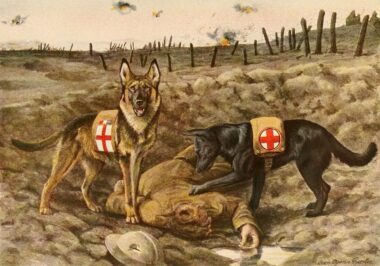

Protecting Your Dog from Common Household Emergencies
As a dog owner, preparing for emergencies is crucial to ensure your pet stays safe. Household emergencies can arise unexpectedly, ranging from natural disasters to medical emergencies. Establishing an effective emergency preparedness plan helps you respond swiftly and appropriately. Begin by creating a dedicated pet emergency kit containing essential supplies for your dog. Include items like food, water, medications, a first-aid kit, and important documents. Think about including a leash, collar, and identification tags.
Regularly review and update your emergency kit based on your dog’s needs. Be aware of the specific risks your area might have, such as floods, earthquakes, or fires. Develop a contingency plan that includes safe zones for your dog during an emergency. Work on identifying the nearest pet-friendly shelters and veterinary offices to ensure you have options if evacuation is necessary. Keep emergency contact numbers handy, including your veterinarian and a trusted pet sitter.
Understanding First Aid Basics for Dogs
Familiarizing yourself with basic first aid for dogs can save your pet’s life. Knowing how to respond promptly in case of injuries or medical conditions increases your dog’s chances of recovery. Start by learning how to assess your dog’s condition and identify signs of distress. It’s essential to recognize issues like bleeding, choking, or unconsciousness. For bleeding, apply pressure to the wound with a clean cloth or bandage until you can transport your dog to a veterinarian.
Understand basic choking relief maneuvers for dogs. If your dog is choking, you might need to perform abdominal thrusts, similar to those for humans, but adapted for dogs. Always stay calm and ensure your pet is secured and doesn’t feel threatened. Exploring pet first-aid courses may enhance your skills and confidence in handling various emergencies efficiently. Remember, practicing these essential skills can make a significant difference during an actual emergency situation.
Creating an Emergency Action Plan
Developing an emergency action plan tailored for your dog should be a priority. Start by determining evacuation routes from your home, ensuring you can leave quickly if necessary. Identify safe locations where you can go with your dog. Make arrangements with friends or relatives who can care for your pet if your usual plans fall through. Additionally, prepare a list of important contacts, including nearby pet hospitals and boarding facilities, to have at hand in case of emergencies.
Engage your family members in discussions about your emergency plans. Conduct training sessions to ensure everyone knows their responsibilities during emergencies. Teach them how to access the pet emergency kit and use first-aid supplies. Set aside time for drills to practice evacuating with your dog, as familiarity helps reduce panic during an emergency. Encourage communication and cooperation among family members to create a comprehensive safety net for your beloved pet.
Safety Precautions During Emergencies
During an emergency, keeping your dog safe requires vigilance and preparation. Protecting your dog’s environment can minimize potential harm. Secure heavy furniture and appliances that could fall during an earthquake. Ensure all windows and doors are locked tightly to prevent your dog from escaping during chaos. Utilize properly fitted collars and leashes when outside to avoid loss or injury. Consider microchipping your dog for added identification security.
In situations where evacuations are necessary, transport your dog in a secure crate or harness. Make sure your dog is comfortable with their crate beforehand to reduce stress. Always have your emergency planning documents and your pet’s health records readily accessible. This includes proof of vaccinations and any medical history you may need for treatment during an emergency. By having the right precautions in place, you enhance the likelihood of a safe outcome for your dog.