
Safe Grooming Practices: Protecting Your Cat’s Well-being
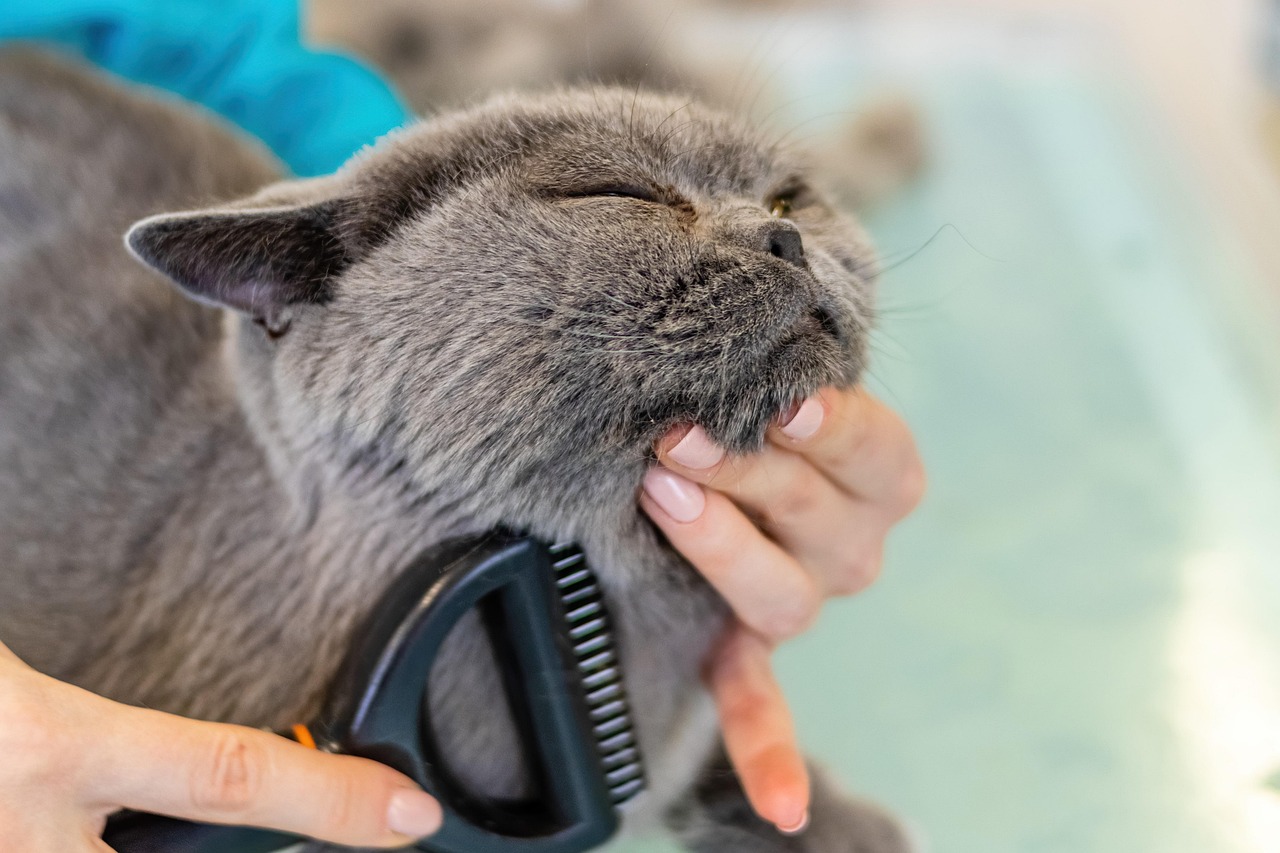
Cat grooming is an essential aspect of pet care, vital for keeping your feline friend healthy and happy. Regular grooming helps reduce shedding, prevents matting, and allows you to check for skin issues or parasites. Understanding safe grooming practices is crucial for both you and your cat’s peace of mind. First, ensure that you use the right tools for grooming, like a cat-specific brush or comb. These tools are designed to take care of your cat’s coat without causing discomfort. Always introduce grooming gradually. Start with short sessions to make your cat comfortable. Positive reinforcement, such as treats or praise, can also significantly help. Remember, grooming is not just about coat care; it’s an excellent opportunity for bonding. Never rush the process; allow your cat to explore the tools and the process at their own pace. If your cat shows signs of stress or aggression, take a break. Identifying signs of discomfort is key to safe grooming. Overall, ensuring a stress-free grooming experience enhances your cat’s willingness to participate consistently.
In addition to using proper tools, establishing a routine is beneficial for both you and your cat. Cats are creatures of habit, and they often respond positively to predictable schedules. Aim to groom your cat on the same days each week. This consistency reinforces the idea that grooming is part of their regular care and something they can expect. It helps them build trust in you and reduces the anxiety they might feel about the process. Ensure your grooming area is quiet and free from distractions, enabling both you and your cat to focus entirely. Watch for their body language; a relaxed cat will have a calm demeanor with no stiff movements. Moreover, consider using cat-friendly grooming wipes if your cat dislikes overall brushing. These wipes can help clean the fur without causing stress. Always check for mats, especially in long-haired cats, as they can lead to skin issues if ignored. If you find any mats, use a detangling spray before attempting to remove them gently. Your attentiveness to these details ensures your cat remains comfortable and healthy.
Understanding Cat Behavior During Grooming
Understanding your cat’s behavior during grooming sessions is an important aspect of cat safety. Each cat has a unique personality, and their reactions to grooming can differ widely. Some may enjoy it, while others might feel anxious or even scared. Pay close attention to your cat’s responses. Signs of anxiety include flattened ears and an attempt to escape. If your cat reacts negatively, consider altering your approach. Using calming pheromones can ease their stress during grooming. Create a safe environment where they feel secure. Ensure you have their favorite blanket or a familiar toy nearby. Moreover, if your cat is generally difficult during grooming, consult your veterinarian or a cat behaviorist for tailored advice. They can provide insights into making your cat more comfortable. It may require patience, but creating a relaxing grooming ritual reinforces trust between you and your cat. Furthermore, always communicate with soothing words and gentle brushes. Remember, grooming should not only serve to keep your cat clean but also enrich the bond of companionship.
Consider your cat’s health status as well when establishing a grooming routine. Senior cats or those with specific medical conditions may require special care during grooming. Be gentle around sensitive areas, such as arthritic joints or skin disorders. If your cat has specific health issues, consult your veterinarian regarding the safest grooming practices tailored to their needs. Gently inspecting ears and paws can help spot potential problems early on. While grooming, take this opportunity to check for any unusual signs, like lumps or rashes. Regular inspection can lead to early detection of health issues, contributing significantly to your cat’s overall well-being. Prioritize their comfort. Rather than forcing a grooming session, adopt a playful approach to foster a sense of security. Keep your grooming sessions short and positive; ending on a good note will encourage your cat to look forward to the next grooming experience. Providing plenty of praise and a treat after grooming reinforces a positive association, making future sessions smoother. Enjoy these moments of care; they contribute to your cat’s overall happiness and comfort.
Using Positive Reinforcement in Grooming
Using positive reinforcement during grooming is essential for developing a stress-free experience for both you and your cat. Cats respond best to treats or praise when they associate grooming with positive outcomes. While introducing grooming, reward your cat for staying calm and allowing you to brush them. Use small, high-value treats that they love. Keep the grooming sessions short initially, focusing on specific areas like the back or tail. Gradually increase the duration as your cat becomes more comfortable. Incorporate playtime after grooming; it promotes a reward-driven atmosphere that makes your cat eager for the next session. If your cat seems frightened, avoid scolding or showing frustration. Instead, remain calm and patient, and give them space when needed. This helps in building confidence over time. As trust develops, your cat will likely become more tolerant of grooming, allowing you to care for them easily. Remember, creating a positive grooming routine can significantly reduce anxiety for experienced groomers. Building this rapport takes time; consistency and patience are crucial in forming a successful grooming relationship.
Lastly, consider scheduling a professional grooming session if you’re struggling with home grooming. Professional groomers have the expertise and experience to handle different cat temperaments effectively. They can also provide specialized services like nail trimming, which is typically challenging for many cat parents. Recommendations from your veterinarian can help locate a reputable groomer who understands cat behavior. Discuss any special care your cat may need before the appointment to ensure the groomer can accommodate those requirements. Always follow up with a grooming session at home to maintain the bond you’ve built. Even experienced groomers suggest ongoing grooming at home to prevent matting and maintain cleanliness between visits. Staying actively involved does more than support grooming; it strengthens your pet-parent bond. Always observe your cat’s reactions during grooming; this feedback can help adjust techniques that fit their comfort level better. Lastly, keep their health needs in mind and adapt your grooming practices based on changes in their behavior or health condition. Prioritizing safety and comfort ensures grooming remains a positive experience.
Conclusion: A Loving Grooming Experience
In conclusion, safe grooming practices are not only vital for maintaining your cat’s physical appearance but also for ensuring their emotional well-being. The act of grooming can fortify the bond between you and your feline friend, showcasing your attentiveness to their needs. Paying attention to their behavior, establishing a routine, and employing positive reinforcement can create a tranquil grooming environment. Always prioritize the comfort and safety of your cat above all. Whether it involves using the right tools or consulting professionals, your commitment to proper grooming enhances your cat’s quality of life. Moreover, fostering a positive environment for grooming helps build trust, ensuring your cat views it as an enjoyable activity rather than a chore. Maintain open communication with your veterinarian regarding any health-related concerns that may arise during grooming. Understanding the importance of safe grooming can aid in preventing health issues down the line. Ultimately, the key lies in consistency, kindness, and patience. Your loving approach to grooming will leave a lasting positive impact on your cat’s well-being and foster a joyful relationship.