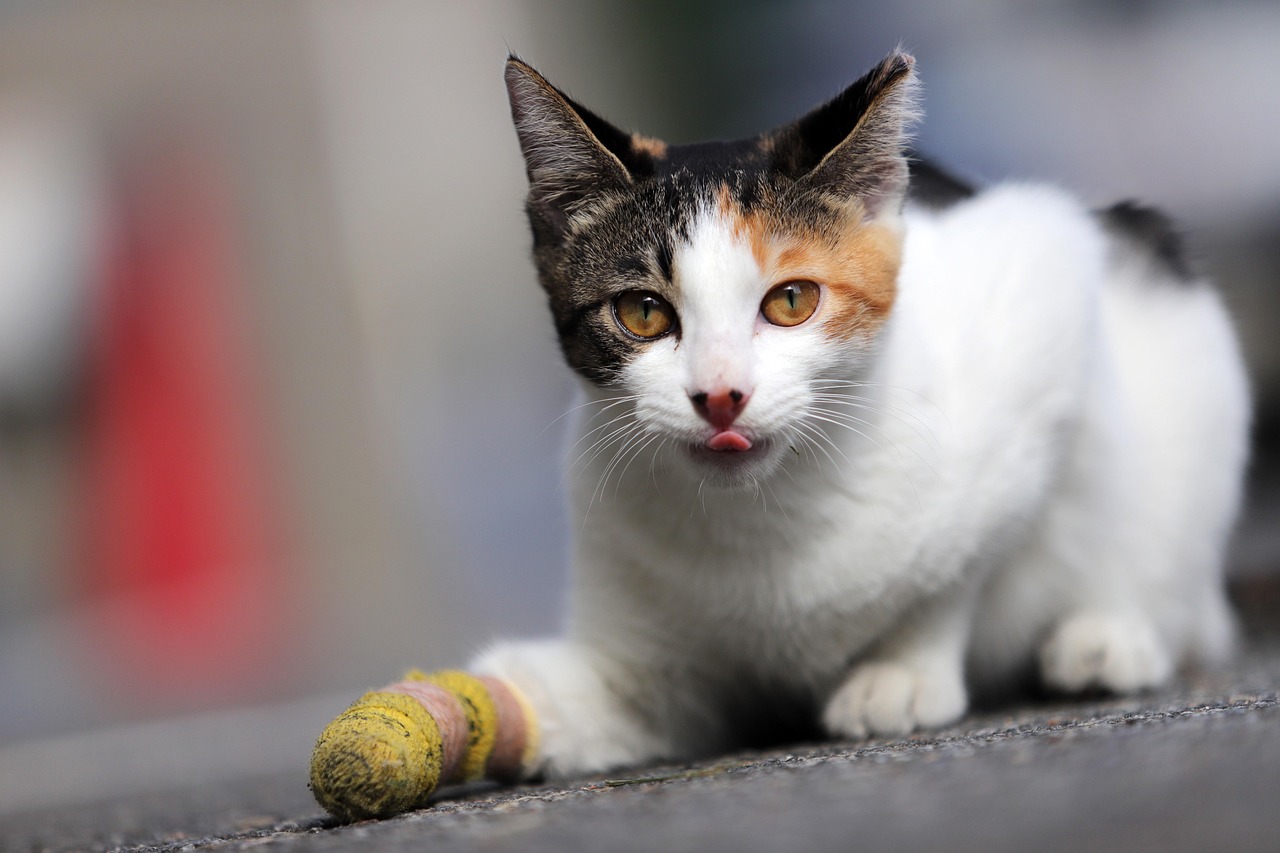

Safe Play Zones: Designing Injury-Free Cat Sports Areas
Create the ideal sports areas for cats that focus on injury prevention. Many pet owners are now exploring cat sports, which promote fitness and engagement. These sports can be thrilling for both felines and their owners, but risks of injury can occur. Therefore, designing safe play zones is paramount. When creating these spaces, consider materials that provide grip and cushioning. Avoid slippery surfaces that may lead to potential falls or sprains. Incorporating soft barriers and padded obstacles can enhance safety. Moreover, ensure that the environment is free from sharp objects that could cause injuries. Regularly inspect the play area for hazards is crucial. Introduce appropriate equipment like scratch posts and climbing structures that can facilitate safe cat play. Ensure all equipment is designed specifically for feline activities, as regular pet items may not suffice for rigorous play. The environment should also be adjustable to accommodate different activity levels and individual cat preferences. Engaging with a vet when designing these areas can provide insights on the best practices to minimize risk. Overall, a well-thought-out space can prevent injuries while fostering a positive and enjoyable experience.
Creating optimal play environments goes beyond equipment and design; proper layout matters significantly. The layout should allow for ample space, enabling cats to move freely and choose their play activities. Keep in mind that some cats may be hesitant to engage in high-energy activities, while others thrive on them. A safe zone should encourage both types of play. For example, separate areas for vigorous activity and calm lounging can cater to different feline personalities. Ensure that each section allows for adequate visibility so that your cat can observe its surroundings without feeling cornered. This awareness can minimize anxiety and prevent potential panic-induced injuries. Adding vertical spaces is another smart move as cats enjoy climbing. Consider structures like shelves or climbing trees designed specifically with safety in mind.Provide various enrichment options like interactive toys or tunnel systems that offer multi-sensory experiences. Furthermore, maintaining a regular cleaning schedule eliminates hazards such as hidden debris or old toys that might endanger your feline. Overall, a well-structured space not only promotes safety but also encourages physical and mental well-being for your cats that engage in sports.
Understanding Cat Behavior in Sports
Understanding your cat’s natural behavior is essential when designing safe play zones. Cats are inherently playful and curious creatures. Knowing this, your cat’s unique personality traits should guide modifications to play areas. Observe their play styles and preferences before solidifying any decisions on equipment and layout. For instance, some cats enjoy chasing after moving objects, while others prefer stalking stationary ones. Anticipating these needs can help in creating more engaging environments. Adding features that reflect these instincts can enhance their experiences. Furthermore, recognizing signs of stress or discomfort during play is important. If a previously active cat suddenly seems reluctant to engage, assess the play area for potential stressors. Factors such as increased noise levels or unfamiliar pets roaming nearby can cause anxiety. Providing a retreat or quiet zone within their play area can enable them to decompress when overwhelmed or injured. Consequently, this promotes better mental health while minimizing stress-related injuries. Finally, remember that a positive association with sports leads to happier experiences for cats. Implement gradual introductions into an enriched play environment can help build their confidence and familiarity over time.
Safety guidelines are fundamental in maintaining a low-risk environment for cat sports. It is essential to establish clear rules and procedures for use in play zones. Always supervise cats during playtime, especially in mixed gatherings where unintended injuries are more likely. Ensure that interaction between multiple cats is closely monitored to prevent aggressive behaviors that could lead to accidents. When introducing new equipment or structures, take the time to familiarize your cats with them gradually. This approach reduces fear and enhances comfort, further minimizing potential risk to their well-being. Regularly conducting health checks on your felines will help in identifying pre-existing conditions that could trigger injuries in active play. Implementing age and size-appropriate equipment is crucial when catering to various cat breeds. For instance, smaller breeds might benefit from lower structures, while larger breeds require sturdier setups to support their weight. Discussing physical activity levels with your veterinarian can streamline this process. As a result, customized play areas, corresponding to your cat’s needs and limitations, can be quite beneficial. Informing peers and fellow cat owners about safety practices will foster a community dedicated to injury prevention during these sport activities.
Incorporating Natural Elements in Cat Play Zones
Adding natural elements to cat sports areas can positively affect their well-being. Integrating plants and natural materials can create a stimulating environment while enhancing safety. However, it’s crucial to ensure that any plants used are non-toxic for cats. Safe options include varieties like catnip, wheatgrass, or spider plants. Furthermore, integrating natural features such as logs or rocks can provide elements for climbing, scratching, or hiding. When placed strategically, these elements promote active play while also minimizing injury risks associated with synthetic hazards. More importantly, enriching spaces with diverse textures and scents encourages curiosity, further elevating the play experience. Hydration stations can also be introduced, as cats often forget to drink when engrossed in play. A designated area with fresh water can help them stay hydrated after strenuous activities. Be mindful of the placement of all natural elements to avoid creating hindrances or hiding dangerous debris. Regular maintenance of these installations ensures continuous safety. Moreover, observing how cats interact with these elements can provide further insights on optimal design strategies that enhance their playing experience within sports zones.
Educating cat owners about creating safe play zones is vital for injury prevention. Providing resources needed for these initiatives can lead to a broader impact in the community. Sharing guidelines through social media platforms, blogs, or community workshops can further raise awareness. A collaborative effort to distribute information enhances its effectiveness, allowing cat enthusiasts to learn from experts in the field. Consider creating informative brochures and handouts that offer valuable tips on safe design practices for cat sports areas. Furthermore, organizing local events or seminars on responsible pet ownership can foster connections within the community. Highlight the importance of enclosing outdoor areas securely to minimize potential risks from wildlife. Outdoor elements necessitate heightened vigilance, as external hazards can cause stress or injury. Offer basic first aid training specifically tailored to pet care, equipping owners with the necessary skills to handle minor injuries. Encouraging veterinary check-ups ensures a proactive approach to identifying underlying health issues. Strive to create an active online presence that focuses on sharing stories of successful play zone implementations. Overall, a well-informed community is essential for ensuring every feline athlete stays safe and enjoys their sports experience.
Conclusion: Promoting Safety in Cat Sports
Designing injury-free areas for cat sports requires thorough consideration and planning. It encompasses understanding cat behavior, safety protocols, and the incorporation of natural elements. By developing a space that highlights these principles, you ensure the well-being of feline athletes. Engaging with fellow cat owners in the community fosters shared enthusiasm for promoting safety and enriching the lives of cats through sports. With an informed mindset, cat owners can adopt responsible practices that minimize risks while enhancing the enjoyment of both cats and their owners. Regular updates on best practices, based on ongoing interactions with both cats and fellow enthusiasts, will contribute to evolving safety knowledge. Moreover, collaborating with veterinary professionals to create informative resources can ultimately lead to better outcomes for feline athletes. As sports for cats continue to grow in popularity, so does the responsibility of providing safe environments for them. Implementing these ideas will cultivate a culture where both human and feline experiences are enriched. Lastly, consider brainstorming new initiatives that keep the dialogue regarding safety active. Together, we can create inviting spaces that celebrate the joy of play while prioritizing the health and happiness of every feline involved.