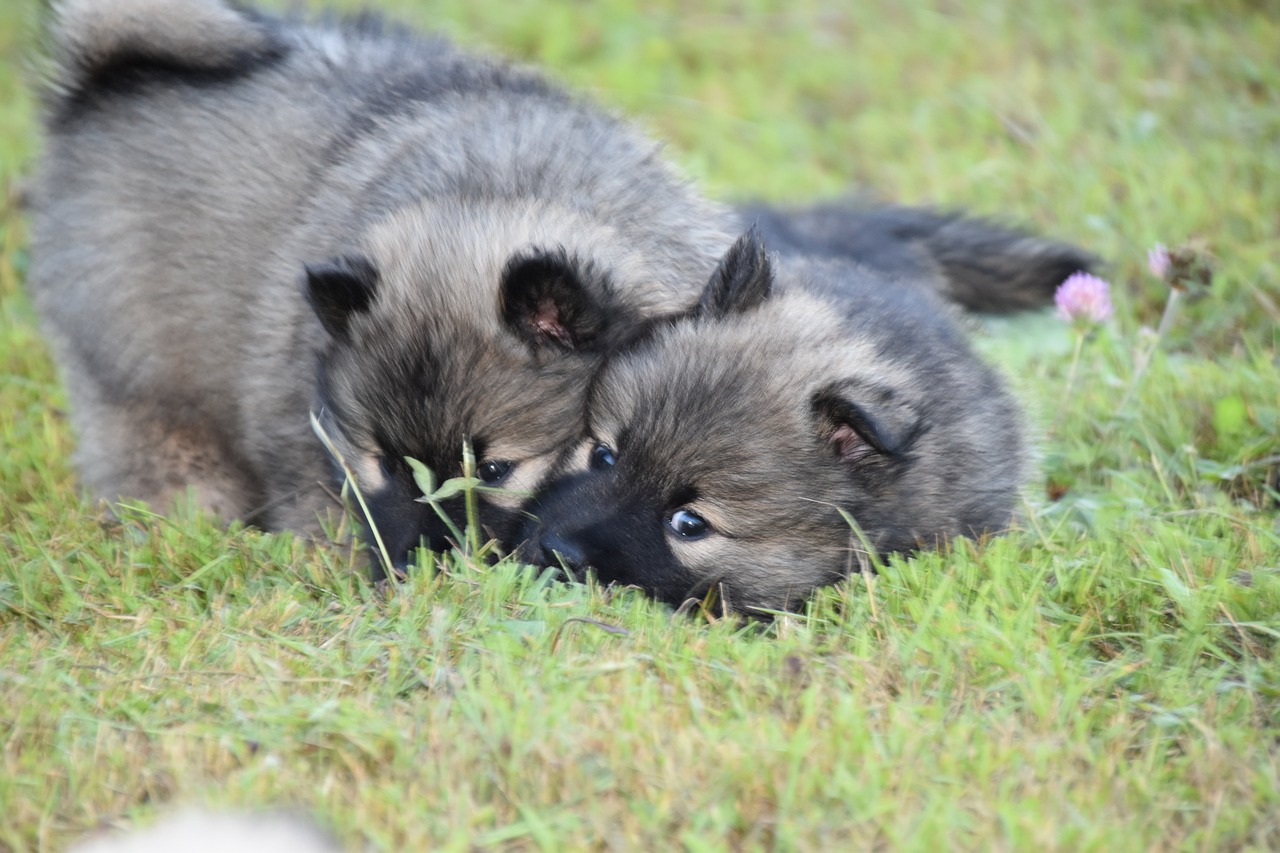

Signs Your Puppy Needs More Socialization
Socialization is critical for puppies during their formative months. If you notice your puppy exhibiting fearful behavior towards new experiences, this could be a strong indicator that they need more socialization. Signs to watch for may include cowering, barking, or hiding when confronted with unfamiliar environments or people. Puppies naturally are curious, yet some may become anxious in new situations if not properly exposed. Others might even exhibit aggression when faced with new dogs or different sounds. If you observe that your puppy has trouble interacting with the world around them, it may be time to increase their social exposure. Ignoring these signs can lead to deeper behavioral issues as they grow older. For development, puppies must learn to interact positively with other pets and various people. Socialization is essential not just for comfort but also for safety. Constant fear can lead to stress, which ultimately affects a puppy’s health and temperament. Avoid isolating your puppy, and instead, actively engage them with positive experiences.
In addition to fearfulness, a lack of socialization might also manifest in excessive excitement when they do meet others. If your puppy jumps excessively when greeting other dogs or people, this indicates they may not have learned proper social cues. Over-excitement can sometimes overwhelm your puppy or the individuals they are approaching. This behavior can discourage others from interacting with your puppy and might lead to further isolation. Training your puppy on appropriate greeting and playing behaviors can significantly improve their interactions. Instead, try guiding your puppy towards calmer greetings to foster healthier relationships. Another common sign puppies may need more socialization is difficulty playing with other dogs. If your puppy frequently fails to engage positively during playtime or shows disinterest, this can create further issues. Encouraging play with well-socialized dogs can teach your puppy desirable behaviors and social skills. During these interactions, provide supervision to ensure positive experiences. Creating a safe environment while your puppy learns will ease their adaptation. Be patient and consistent with socialization efforts, as results may take time.
Understanding Proper Socialization Techniques
Proper socialization requires introducing your puppy to various experiences. Begin with puppy classes where they can interact safely with others amidst controlled conditions. Look for classes that focus on social skills and not only obedience. Exposure to different types of people, environments, and pets is essential for comprehensive socialization. Walking through busy parks, pet-friendly events, or farmers’ markets will help your puppy acclimated to diverse sights and sounds. Equipment such as leashes and harnesses can help in safely managing your puppy during these experiences. Gradually increase the intensity of environments they are exposed to, ensuring you proceed at a comfortable pace. If a situation becomes overwhelming for your puppy, back away to avoid anxiety. Additionally, reward your puppy with treats and praise as they engage positively in social situations. This reinforces their confidence and encourages them to explore further. Positive reinforcement is their best motivation toward developing better social behavior. Thus, the approach should include a balance of structured activities and casual, spontaneous gatherings. Both aspects contribute significantly to a well-rounded, socially adept dog.
Resulting behavior after adequate socialization should exhibit confidence and playfulness rather than fear or aggression. As your puppy continues to engage with various stimuli, observe changes initially might be small, requiring patience. Socialization is not a one-time approach but a lifelong commitment. Establish routines that incorporate social elements throughout your dog’s life. Regular playdates with other puppies or training sessions foster ongoing social skills. Mindfully selecting encounters will provide the best experiences for your puppy. Consider obedience training to advance understanding through structured communication. With training, not only do you teach commands, but you also enhance their interactions with other dogs and people. Boosting their manners will help avoid bouts of excitement while meeting strangers. Rather than rushing their socialization process, take adequate time to solidify these experiences. Building relationships leads to a well-adjusted dog, which is rewarding for both yourself and your puppy. Keep monitoring their reactions and adjust social activities as necessary. Even adult dogs can learn new behaviors, making socialization beneficial at any age. Together, continue to work on strategies that promote a healthy, friendly personality.
Creating a Socialization Schedule
A structured plan can simplify the socialization process for you and your puppy. Setting aside dedicated time in your weekly schedule allows consistent exposure. Aim for a mix of experiences that your puppy engages with to maximize learning opportunities. This schedule may include weekly trips to a dog park, play sessions with friendly canines, and frequent visits to pet stores. Don’t forget outings with a variety of people, including children and adults. Eventually, sessions can also incorporate public transportation to familiarize your puppy with new environments. Rotating activities ensures your puppy remains stimulated while building confidence. Incorporate training into outings to instill valuable behavior reinforcement during experiences. You may consider organizing puppy social playdates to facilitate interaction between similar-age puppies. Regular interactions help reinforce their development at critical stages. Using resources available online or local pet communities will help you find suitable socialization groups. Make sure to evaluate if the settings are welcoming and suitable for effective learning. Perhaps engaging with trainers who specialize in socialization can provide additional insights and structure for optimal outcomes.
Furthermore, pay attention to your puppy’s behavior during these outings. Observe their comfort levels and make adjustments as needed. Some puppies may become less anxious when paired with familiar dogs, fostering confidence during socialization. You may need to alternate environments where they feel safe before introducing new places. Regular interaction in a controlled environment is often beneficial before venturing out. With time and support, your puppy will learn to navigate diverse social environments without extreme stress. Continually encourage positive interactions, reinforcing their learning experience through treats. Whenever your puppy behaves appropriately in a social setting, reward them with praise and love. Keeping it positive encourages further engagement, while also building a strong bond with your puppy. Socialization experiences are best when puppies are excited rather than fearful. This is essential for improving their overall experience. Progress will vary for each puppy, so patience is vital in the process. Collaborate with dog trainers, local pet owners, or doggy daycare facilities if you’d prefer additional support. Adult dogs can engage in socialization programs too, creating a lifelong social journey.
Common Misconceptions About Puppy Socialization
Several misconceptions about puppy socialization can hinder the learning journey. One common belief is that a brief session during the early months is enough. This misunderstanding leads many to assume their puppy will naturally manage social interactions later in life. However, socialization should be an ongoing process throughout their developmental stages. Another widespread misconception is believing that only encounters with dogs are sufficient. In reality, puppies need exposure to different people and environments. Comprehensive socialization goes well beyond just meeting dogs; it includes diverse experiences that can create well-rounded pets. Additionally, it can be mistaken that fearful encounters are harmless. Negative experiences can lead to lasting anxiety and issues. For instance, forcing a puppy into challenging situations before they feel ready can exacerbate their fear responses. So, ensuring positive moments during these experiences is essential. Families also may overlook signs of stress due to the joys of welcoming a new puppy. Being mindful of the puppy’s body language is important; recognize when they feel overwhelmed. Constant gentle introduction can help build positive associations as they learn to navigate the social world.
Lastly, relying solely on dog parks for socialization can be limiting as well. While dog parks provide interactions, uncontrolled regulations might become overwhelming for some puppies. A well-structured socialization plan incorporates various elements, ensuring that puppies feel confident alongside varied experiences. Introducing new dogs, experiences, and environments in stages benefits their long-term development and adaptability. Dogs become lifelong learners, so early proactive steps can assist as they grow. Considering their unique traits is crucial while tailoring socialization methods. Certain puppies may require more extensive training than others. Use positive reinforcement techniques, keeping experiences enjoyable to foster a sense of security. Taking the time to monitor changes will help track improvements in their behaviors. As social creatures, puppies benefit tremendously from varied positive social exposure. This entails incorporating new situations into their daily routine continuously. Building a foundation of trust is fundamental, helping puppies engage with confidence as they develop. Encourage family members to participate in socialization efforts. When everyone is involved, fostering a well-rounded puppy is significantly easier, assuring their growth into a well-adjusted adult dog.