The Connection Between Socialization and Obedience
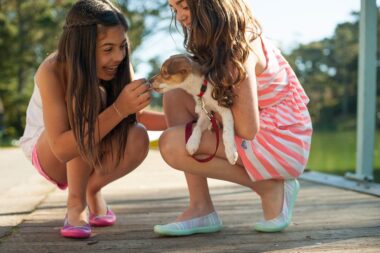
Dog socialization is a vital aspect of raising a well-adjusted canine companion. Proper socialization allows your dog to understand its surroundings, interact correctly with other animals, and feel comfortable in various environments. When dogs are adequately socialized, they develop confidence, reducing fear and anxiety in unfamiliar situations. An important part of this process involves exposing your dog to diverse stimuli, which includes different people, sounds, and other animals. By allowing your dog to experience these situations under favorable conditions, you are not only promoting social skills but also establishing a foundation for obedience. Dogs that are fear-oriented may struggle with obedience, as their anxiety can impede learning. Therefore, socialization enhances the likelihood of developing a responsive and loyal companion. Owners should begin this training during the critical socialization period, typically between 3 and 14 weeks of age. However, socialization is not limited to puppies; older dogs can also benefit from gradual exposure to new experiences. The ultimate objective is to create a well-rounded, confident dog who adheres to commands instinctively and enjoys social interactions confidently.
Optimal socialization practices involve both structured and unstructured interactions. Structured interactions can include attending training classes, organized playdates, and supervised visits to dog parks. Unstructured experiences allow for spontaneous interactions with the world through walks and explorations. Incorporating both methods is essential for balanced socialization. During these interactions, it is vital for dogs to have positive experiences, as negative encounters can lead to fear or aggression. Thus, managing their exposure to various situations is crucial. When introducing your dog to new stimuli, use treats and praise to reinforce the desired response. This method creates positive associations, paving the way for effective obedience training. Furthermore, owners should remain calm and assertive during these experiences, as a dog’s emotional state mirrors that of its owner. If you exhibit anxiety or fear, your dog may reflect these feelings, undermining socialization efforts. Therefore, being a confident leader is paramount. Socialization and obedience training go hand in hand; when your dog feels secure in its environment and relationships, it becomes easier to instill commands and rules. Long-term commitment is essential to ensure continued positive behavior.
The Role of Early Socialization in Obedience Training
Early socialization significantly impacts a dog’s ability to respond to commands and training practices. Exposing puppies to various experiences helps them adapt to diverse scenarios while learning to accept obedience commands. This foundation is crucial because a well-socialized dog is likely to respond positively to training without attachment issues. When puppies navigate social encounters, they develop crucial communication skills, which prevent misunderstandings with humans and other dogs. Understanding canine body language enhances their ability to respond gracefully to various contexts. Furthermore, young dogs that undergo regular socialization often exhibit fewer behavioral issues as adults, such as fear-based aggression or excessive barking. Long-term implications of early socialization significantly enhance their likelihood of flourishing as obedient companions. Additionally, consider integrating different training styles to accommodate your dog’s unique personality. Some dogs may respond better to positive reinforcement, while others thrive with structured commands. Adapting training methods helps create a personalized approach based on the dog’s temperament, ensuring receptivity to obedience training. Remember, the goal is to create a harmonious relationship between owner and pet, fostering cooperation through mutual respect and understanding.
Engaging in socialization activities can develop a dog’s ability to follow commands reliably. The environment in which training occurs matters tremendously; for instance, initiating training in a quiet space fosters focus, ultimately promoting effective learning. As your dog becomes more comfortable with commands, gradually introduce distractions to simulate real-life situations. This approach challenges your dog while reinforcing its understanding of obedience. Consistently practicing commands in various settings will help solidify the connection between socialization and obedience. For instance, commands such as ‘sit’ and ‘stay’ can be initiated at home and reinforced during public outings. This method encourages active engagement with their environment, creating a strong bond between owner and dog. Additionally, utilizing diverse socialization scenarios—like visiting pet-friendly stores or outdoor markets—allows your dog to practice controlled behavior amidst distractions. While focusing on obedience, it’s essential to maintain an atmosphere of fun and encouragement. Ensure the training sessions involve praise, treats, and toys as positive reinforcement for following commands. This practice maintains the motivation needed for ongoing obedience training, resulting in an engaged, obedient canine partner. Following these guidelines will shape a dog equipped to navigate diverse social landscapes confidently.
Challenges in Socialization and Obedience
Despite the best intentions, challenges can arise in the realm of socialization and obedience training. A common issue is fear-based behavior stemming from a lack of early socialization or negative past experiences. Such dogs may become aggressive or timid in social situations, making it difficult to foster obedience. Recognizing and treating fear-based behaviors from the onset is crucial to prevent long-term repercussions. In these cases, gradual exposure to stimuli, along with desensitization techniques, can help. Another challenge includes distraction during training; many dogs struggle to focus in busy environments. Thus, employing training methods that redirect attention can be highly effective. For example, using treats to regain focus can serve both as motivation and distraction control. Additionally, some dog breeds are more naturally inclined toward independent behavior, complicating training efforts. Owners should be aware of these tendencies and adapt their approach accordingly. Employing consistent training sessions, adjusting expectations, and practicing patience are vital in overcoming such challenges. Ultimately, addressing these obstacles head-on creates a foundation for a trusting relationship; this bond is essential for encouraging obedient behavior throughout the dog’s life.
Utilizing group training classes can significantly alleviate challenges with socialization and obedience. These classes provide a controlled environment where dogs can interact with one another and their handlers. Facilitated by professionals, these sessions often incorporate both playful and structured exercises to foster trust and cooperation between dogs and their owners. By witnessing other dogs respond to commands positively, your dog will learn through observation, further enhancing their own social skills. Additionally, expert trainers often incorporate frameworks for both socialization and obedience, providing consistent methods to enhance understanding. Group dynamics can also create a sense of camaraderie among pet owners, leading to valuable support networks. In these settings, sharing experiences and learning new approaches can be incredibly beneficial. Staying connected with other dog owners helps discover useful resources, tips, and even potential training partners for future ventures. Consistent attendance of group training classes reinforces the dog’s learned behaviors, allowing for beneficial social interaction with other dogs. Challenging environments stimulate engagement, honing skills that translate to real-world situations. Furthermore, ongoing exposure to different dogs and people solidifies the bond between owners and their pets, promoting a harmonious and obedient relationship.
Conclusion on Socialization and Obedience
In conclusion, the connection between socialization and obedience cannot be overstated. A dog that is well-socialized is often more receptive to training and commands, displaying less anxiety in social contexts. Fostered through various experiences and interactions, this essential aspect of development ultimately opens the door to a lifelong partnership. The emotional and mental growth that occurs during this period shapes your dog’s ability to navigate new environments confidently. Further, addressing potential challenges, such as fear-based behavior, allows owners to tailor their training methods specifically to their dog’s needs. Building a foundation rooted in trust and understanding significantly improves the dog-owner relationship, facilitating effective communication and obedience. Regular practice and reinforcement will reinforce this foundation, creating a reliable and responsive canine companion. Owners must commit to the ongoing process of socialization and training throughout their dog’s life since it pays dividends in terms of behavior and companionship. The results yield not only an obedient dog but also a loyal friend who thrives in diverse settings. Ultimately, when attention is given to socialization, owners can expect a well-rounded and happy furry family member. This warrants dedication but ensures a rewarding bond.
This journey is a vital investment in shaping a dog that embodies confidence, joy, and obedience.