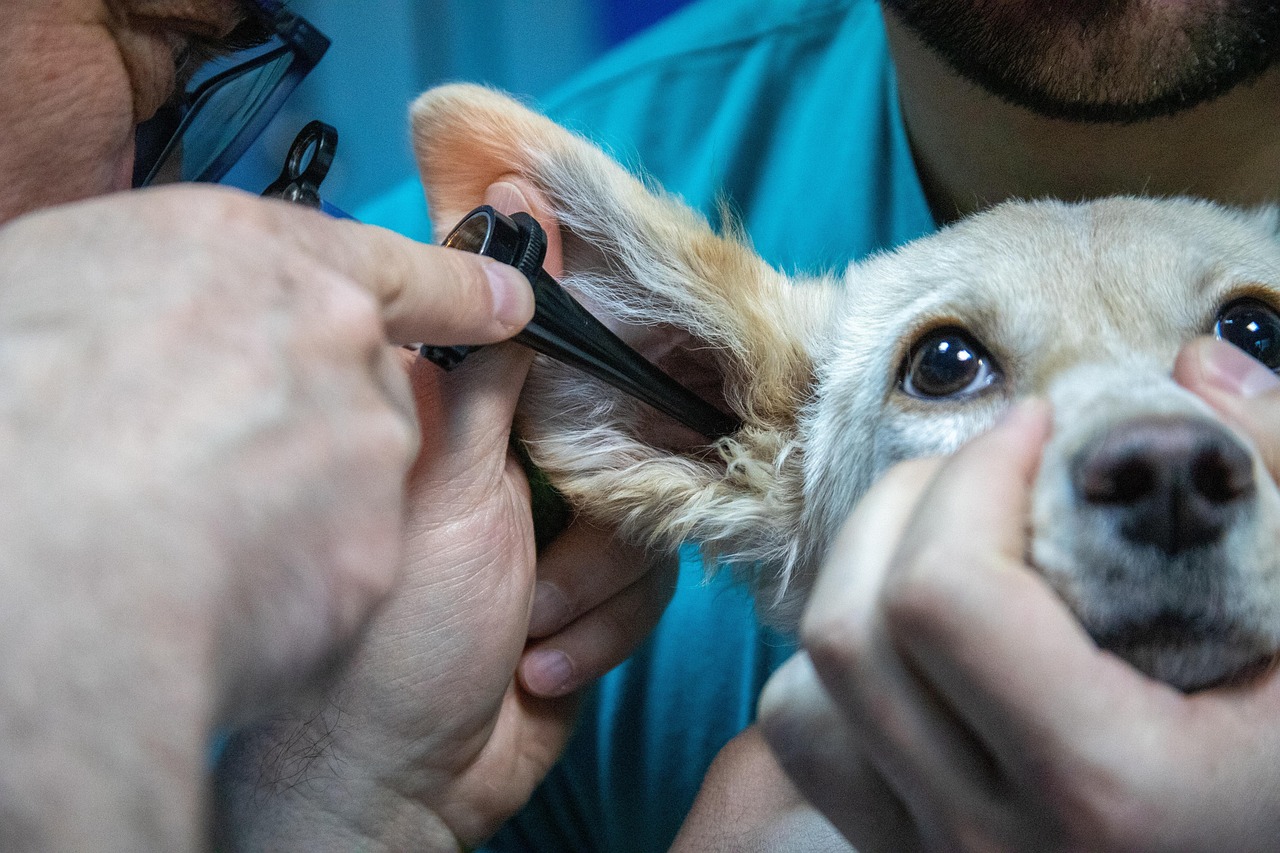

The Role of Regular Ear Cleaning in Preventing Infections
Maintaining your dog’s health involves regular ear cleaning, which is vital in preventing ear infections and combating ear mites. Ear cleaning should be a part of routine grooming for your pet. Regular cleaning helps remove buildup, dirt, and debris that attract these parasites, which can cause discomfort and health issues. The first step in this process is understanding the structure of the dog’s ear. Dogs have long ear canals that can harbor moisture and wax, making them more susceptible to infections caused by bacteria and yeast. Signs of an ear issue might include excessive scratching of the ears, shaking of the head, and unusual odor from the ears. These symptoms should not be overlooked as they can indicate infections. It is essential to use veterinarian-recommended cleaning solutions to avoid irritation or damage. Ideally, use products that cleanse gently and effectively without harming your dog. You can integrate this cleaning routine into your dog’s weekly grooming schedule for optimal results. This proactive measure ensures that your dog’s ears remain healthy, reducing the risk of unpleasant infections and mites. Remember, prevention is always better than cure.
Additionally, regular ear cleaning not only keeps infections at bay but enhances your bond with your pet. Dogs look to their owners for care, and intentionally spending time on their grooming fosters trust. Establishing a routine allows your dog to adapt to the ear cleaning process, reducing anxiety or resistance. Before beginning the cleaning, ensure to gather all necessary tools such as cotton balls or gauze, cleaning solutions, and treats to reward your pet afterward. Use a calming voice and gentle touch to make the experience pleasant. This way, your dog associates ear cleaning with positive reinforcement rather than a chore. It’s also crucial to inspect the ears for any signs of abnormal discharge, redness, or swelling during cleaning. If you notice these signs, consult your veterinarian immediately. Regular cleaning minimizes the environment where bacteria thrive, which improves overall ear health. Proactive ear hygiene not only prevents common diseases but can also enhance your dog’s hearing ability. Cleaning should ideally be performed weekly for dogs prone to ear problems. Always follow your vet’s guidelines on cleaning methods and products suitable for your dog’s specific needs.
Understanding Ear Mites
Ear mites are tiny parasites that affect your dog’s ear canal, leading to irritation and infections. They thrive in warm, moist environments like the ear canal and feed on ear wax and oils. Ear mites are highly contagious, and if one pet is infected, the others are at risk. The presence of ear mites often results in excessive scratching and head shaking, which can cause further issues. It’s important to recognize common symptoms early on to prevent more significant problems down the line. Look for signs such as dark, crumbly debris in the ear, inflammation, and a foul odor. If you suspect your dog has ear mites, it is crucial to seek veterinary advice promptly. Your veterinarian may prescribe medicated ear drops to eradicate these pests and alleviate discomfort. Additionally, maintaining a regular ear cleaning regimen can significantly reduce the likelihood of mite infestations. Keeping ears clean could make them less attractive to these parasites. In addition to ear cleaning, ensuring your dog’s living spaces are clean can also help prevent the occurrence of ear mites. Regularly washing bedding and grooming aids can further protect your dog from infestations.
Another aspect to consider is the impact of diet on your dog’s ear health. A well-balanced diet contributes to overall health, including the condition of the skin and ears. Omega-3 fatty acids found in fish oil can improve skin health and maintain ear health, making your dog less vulnerable to infections. Allergies can also predispose dogs to ear problems as they can cause inflammation and excess wax production. Be aware of any changes in your dog’s diet that may trigger allergies. Regular visits to the veterinarian can help identify specific diet requirements and allergies. They can provide nutrition advice tailored to your dog’s needs, assisting in better ear health. In certain cases, adjusting your dog’s diet can lead to significant improvements in ear cleanliness and overall health. Moreover, be attentive and mindful of your dog’s behaviors. Changes such as excessive itching or head shaking can signify issues. Observing these habits can prompt you to take action sooner rather than later. Quick interventions can save you from costly treatments and ensure your dog’s well-being.
When to Seek Veterinary Help
Recognizing when to seek professional help for your dog’s ear health is vital. If you perform regular ear cleanings and still see signs of discomfort, it may indicate a more serious issue. Symptoms like persistent shaking of the head, foul odor, and discharge necessitate a trip to the veterinarian. Infections can escalate quickly and could lead to significant health complications if left untreated. Your veterinarian can conduct a thorough examination, check for ear mites, and diagnose any infections. Sometimes, a simple cleaning is not enough, and your dog may need medicated ear drops or oral antibiotics. Additionally, some breeds are more predisposed to ear issues due to their ear structure or fur type. For such dogs, even regular cleaning might not suffice without veterinary interventions. Make it a point to schedule regular check-ups with your veterinarian to monitor your dog’s ear health, especially if they have a history of ear problems. The quicker you address any potential issues, the better the outcome for your dog’s health. Regular vet visits ensure that you stay informed about the best practices for maintaining your dog’s ear hygiene.
Preventive ear care is essential for ensuring that your beloved canine remains happy and healthy. Regular ear cleaning makes a significant impact on reducing the risks of infections and ear mite infestations. Establishing this routine requires commitment but results in happier, more comfortable pets. Begin by familiarizing yourself with safe cleaning techniques and solutions by consulting your veterinarian. During cleanings, always ensure that the environment is calm and familiar to your dog; this helps keep anxiety at bay. Avoid using cotton swabs, which can push debris further down the ear canal. Instead, use recommended cleaning solutions and soft cotton balls to gently clean the outer parts of the ear. Consistency in this practice can help you catch any anomalies early on. The cleaner the ears, the less likely they will become a breeding ground for parasites or infections. Furthermore, rewarding your dog after a cleaning can help create a positive association with the process. With dedication and care, ear cleaning can become a seamless part of your dog grooming routine, promoting better health and wellness.
Conclusion
In conclusion, the importance of regular ear cleaning cannot be understated in preventing infections and controlling ear mites among dogs. It requires dedication and a consistent routine but yields incredible health benefits for your furry friend. Regular ear cleaning diminishes the chance of infections, enhances your pet’s comfort, and protects against parasites. This proactive approach not only prevents health issues but also deepens your bond with your dog, creating a more manageable and pleasant experience for both of you. Listening to your dog’s needs and observing any changes in their behavior regarding ear discomfort will help you act promptly. Teach your dog to be calm during the cleaning process, and always consult your vet for any questions you may have regarding products and techniques. Remember, a small investment in maintaining your dog’s ear hygiene can save time, money, and potential health complications in the future. Your devotion to their health through regular checks and cleanings leads to a happier, healthier dog. Ensure that your ear cleaning routine becomes a regular part of your dog’s overall grooming and health care now and in the future.