
Understanding the Best Grooming Practices for Puppy Care
For every dog owner, it is vital to understand the best grooming practices that align with their puppy’s specific needs. Grooming is not merely about aesthetics; it ensures your puppy’s hygiene, health, and happiness. Regular grooming can prevent shedding and help identify skin issues early. Furthermore, brushing your dog’s coat helps to distribute natural oils and keep the skin moisturized. Each breed may require different grooming routines, depending on their fur type and length. Using the correct tools is crucial. Invest in quality brushes, combs, and scissors according to your dog’s grooming needs. For instance, a slicker brush is ideal for detangling, while a de-shedding tool is excellent for shedding seasons. Don’t forget to bathe your puppy regularly, but avoid overdoing it. Depending on the breed and lifestyle, bathing every month or two is usually sufficient. Moreover, maintaining their nails and ears is equally important. Regular checks can prevent painful issues, keeping your puppy comfortable and healthy. Familiarizing your puppy with these routines early can significantly reduce stress during grooming sessions. Seek professional help if unsure about your abilities.
Common Grooming Myths Debunked
Many myths surrounding dog grooming can lead to confusion among new dog owners. One common myth is that dogs’ coats should always be cut short for hot weather, which is false. A dog’s fur serves multiple purposes, including regulating body temperature. Thus, keeping a proper length helps protect the skin and provides insulation. Another myth suggests that grooming should wait until a dog is older, but early socialization with a grooming routine is beneficial. Young puppies can learn to accept grooming easily, minimizing future anxiety. Additionally, some owners believe that their dogs clean themselves sufficiently. However, this is misleading; while dogs do groom themselves, they still require human assistance. Full grooming involves removing dead hair, dirt, and mats that dogs can’t manage alone. Furthermore, there’s a misconception that grooming is only necessary for long-haired breeds. In reality, every dog, regardless of the coat length, needs regular grooming to promote a healthy appearance and overall well-being. Educating yourself about these myths ensures your puppy receives the best care possible and leads to less stress for both dog and owner during grooming sessions.
Another important aspect of puppy grooming involves dental care. Many do not realize that dental health is vital for overall well-being. Neglecting a puppy’s dental needs can lead to serious health problems, including periodontal disease, which can impact major organs later in life. Therefore, investing time in dental grooming is essential. Regular tooth brushing using dog-safe toothpaste can make a huge difference. Aim to brush your puppy’s teeth several times a week, or even daily if feasible. Chew toys and dental treats can also help keep plaque at bay while providing entertainment for your puppy. Regular visits to the veterinarian for check-ups are crucial. Your vet can recommend specific dental care products and even perform professional cleanings if necessary. Alongside dental hygiene, eye and ear care should not be overlooked. Regularly examine your puppy’s eyes and ears for any signs of discharge or irritation. Using a soft, damp cloth to clean around the eyes and a gentle ear cleaner can help maintain their health. Overall, comprehensive puppy care includes attention to grooming, dental, and ear needs for a long and happy life together.
Essential Tools for Puppy Grooming
Using the right tools makes grooming your puppy more efficient and enjoyable. First, choosing the proper brush based on your puppy’s coat type is essential. For example, short-haired puppies can benefit from rubber grooming mitts or bristle brushes, while long-haired varieties often need pin or slicker brushes. Additionally, specialty combs can help with tangles and knots. Investing in quality clippers may be necessary for certain breeds that require more advanced grooming. Furthermore, nail clippers are essential for maintaining paw health; keeping nails trimmed can prevent injuries and discomfort. A canine-specific toothbrush and toothpaste are also important for maintaining dental hygiene. Additionally, having quality shampoo and conditioner on hand will allow you to keep your puppy’s coat clean and healthy. A grooming table may be helpful for larger breeds, providing stability during grooming sessions. Don’t forget about a good pair of scissors for trimming fur around sensitive areas like the eyes or inside the ears. Lastly, ear cleaning solution will complete your toolkit. Choosing the right tools will not only make the job easier but will also enhance your puppy’s grooming experience.
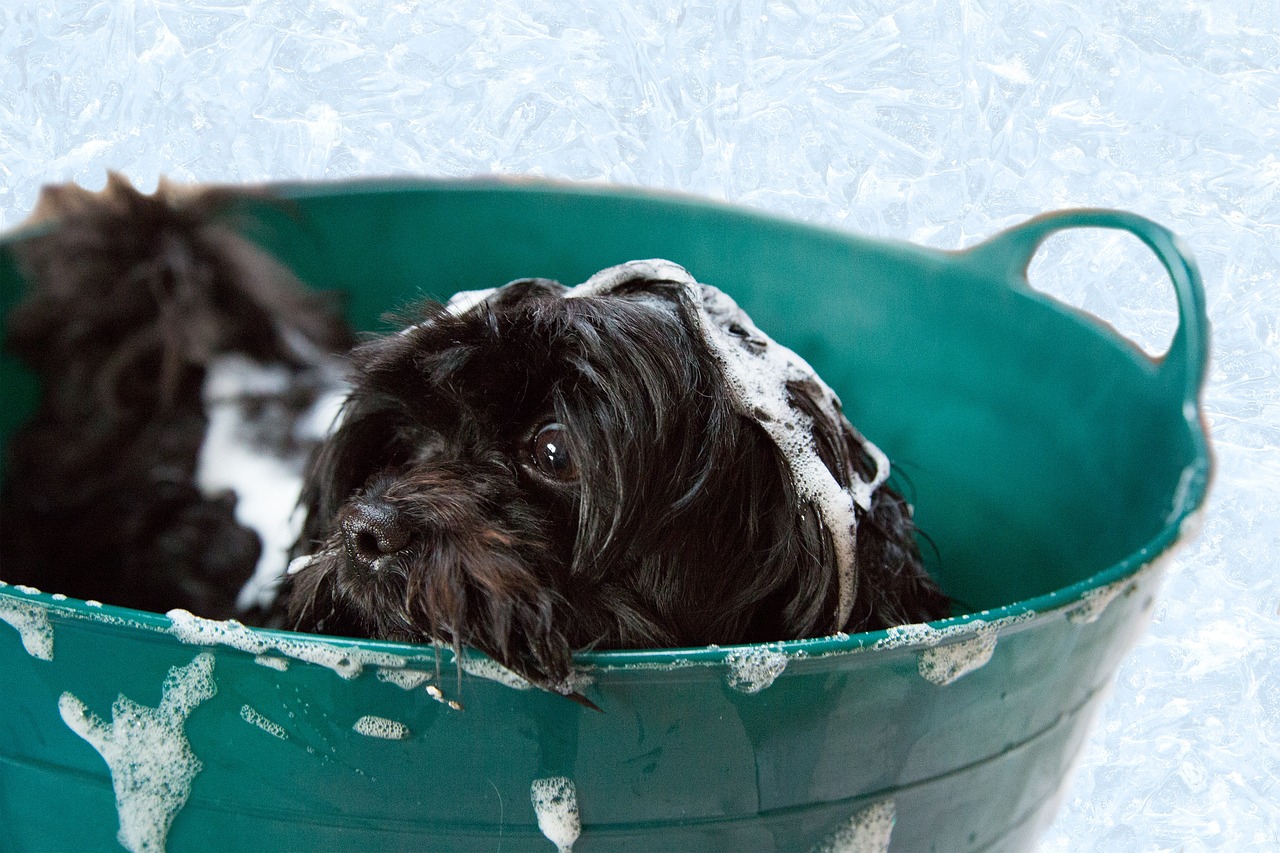
When it comes to cleaning your puppy, not all shampoos are suitable for all breeds. Selecting a product designed specifically for dogs is critical to avoid causing skin irritation. Puppy shampoos are formulated to be gentle and thus, are advisable for younger dogs. Additionally, consider your puppy’s specific breed when choosing products. For instance, certain breeds may have special skin sensitivities requiring medicated shampoos. Always check labels for harmful ingredients and seek hypoallergenic options for sensitive skin. Furthermore, remember to create a calming atmosphere during bath time to reduce anxiety. Use lukewarm water and ensure mild pressure while rinsing. After bathing, be sure to towel-dry them gently, as vigorous drying can cause shock. Gradually introducing your puppy to grooming routines can make a profound difference in their comfort level. Use treats and praise to reinforce positive behavior during each grooming session, helping them to associate grooming with enjoyable experiences. Moreover, consistency is key when establishing a grooming schedule. Develop a routine that aligns with your puppy’s habits and needs to ensure that your furry friend remains comfortable and looks their best.
Puppy Grooming Socialization Tips
The importance of socializing your puppy to grooming practices cannot be overstated. Early exposure helps your puppy to grow accustomed to various grooming activities, thus reducing fear and anxiety later in life. Begin by introducing your puppy to grooming tools gradually. Allow your puppy to sniff and investigate brushes and clippers before using them. When you finally start grooming, keep sessions short and engaging. Short grooming sessions prevent fatigue and maintain their focus. Incorporate playtime and treats throughout the experience to create positive associations with grooming. Some puppies may require more time to adapt than others, and patience is vital. Establishing a structured routine where they learn to accept the grooming process is beneficial. Try to schedule grooming sessions around their daily naps or playtimes to keep them relaxed and engaged. Additionally, consider enrolling your puppy in grooming classes or socializing with other dogs at your local dog park. Observing other dogs undergoing grooming can serve as a positive reinforcement for their own grooming experiences. Creating an upbeat, loving environment will ensure your puppy finds grooming an enjoyable and rewarding experience.
Grooming provides an excellent opportunity for bonding between you and your puppy. Regular grooming sessions allow you to become attuned to your dog’s needs and habits. Understanding your puppy’s behavior during grooming moments is crucial. For example, if your puppy appears fidgety or stressed, it may indicate they need a break or some reassurance. Use calming techniques, such as gentle speech and inviting pets. For puppies exhibiting extreme fear, consult a professional groomer. They can help ease anxiety through specialized techniques. A professional groomer has experience managing many dogs with varying temperaments. This expertise could facilitate better grooming habits at home. Moreover, keep an eye on your puppy’s coat condition. Regular evaluations can help you identify potential issues early. For instance, matting can cause irritation and pain if not addressed. Bumps or unusual skin areas could indicate allergies or infections that need veterinary care. Finally, fostering trust through gentle grooming practices helps establish a strong bond. This relationship between you and your puppy can lead to greater cooperation and willingness to engage in grooming routines, ultimately creating a more enjoyable experience for both of you.
Finally, consider the overall well-being of your puppy when forming a grooming routine. Establishing a healthy lifestyle not only involves grooming; it also encompasses a balanced diet, exercise, and regular vet visits. Proper nutrition contributes to healthy skin and coat. Ensure you provide high-quality dog food that meets your puppy’s specific developmental phase and breed requirements. Alongside feeding, exercising your puppy regularly is essential for physical and behavioral health. Physical activity can also keep your puppy calm and reduce unwanted behaviors, making grooming less of a challenge. Furthermore, regular veterinary check-ups allow you to stay ahead of any potential health concerns, including those related to grooming. Your vet can make recommendations for seasonal adjustments in grooming based on weather conditions. By ensuring you are informed and equipped with the best practices and resources, dog grooming transforms into a beneficial bonding experience as opposed to a daunting task. Remember, regular grooming instills self-confidence in your puppy and encourages lifelong grooming habits that will contribute positively throughout their life. Striving for these goals will lead to a happy and healthy puppy, ensuring both of you enjoy the rewards of your hard work together.