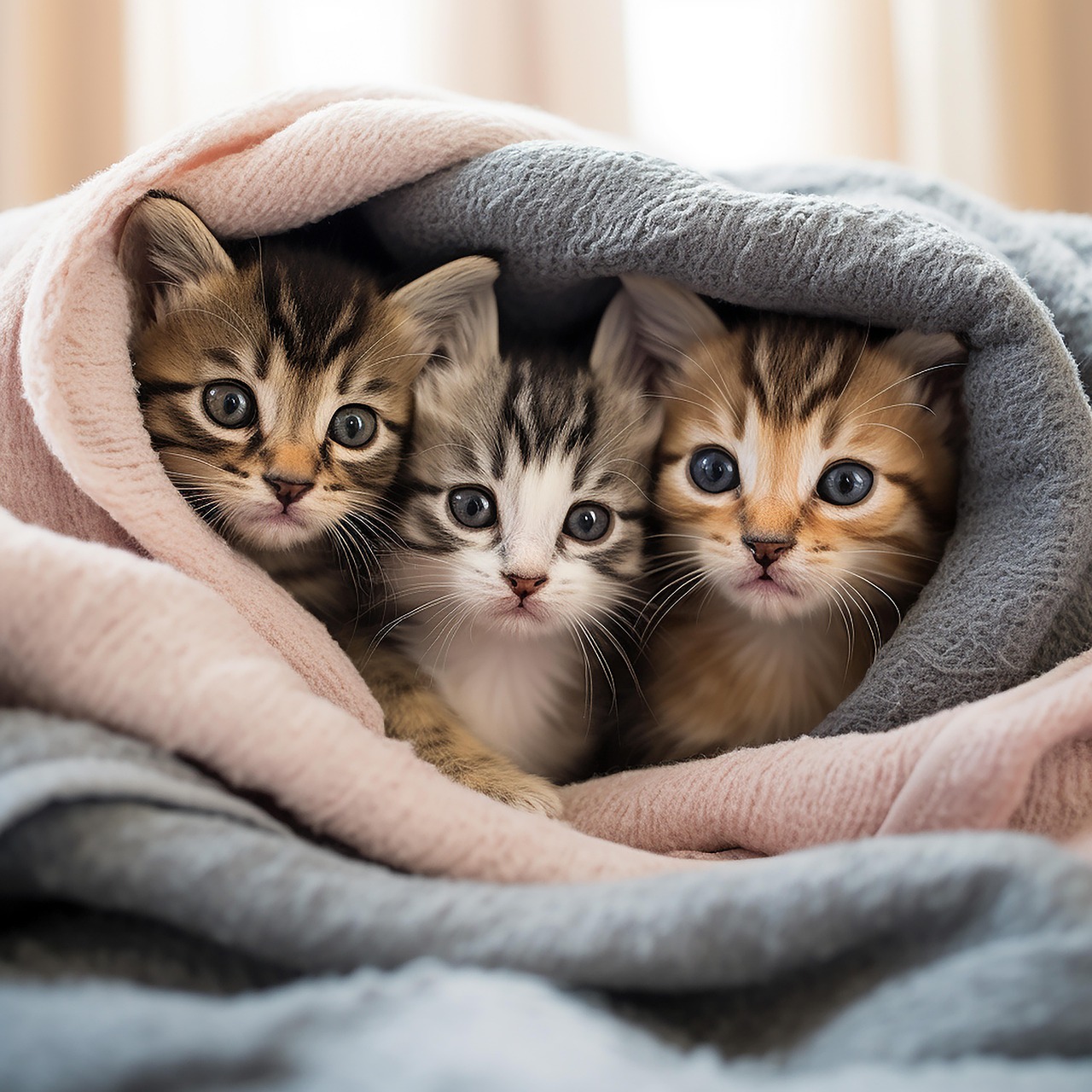

Building Trust with Shy and Unsocial Cats: Tips for Rescue Workers
Socializing unsocial cats requires patience and understanding. Recognizing their fears and stressors is essential for rescue workers. The environment’s familiarity will greatly influence a cat’s comfort level. In their safe zone, they feel confident, thereby being more open to interaction. It’s crucial to set up a quiet and calm space, free from too much noise, where cats can settle without feeling threatened. Attracting these cats can involve utilizing soft voices, gentle movements, and familiar smells, allowing them to recognize safety gradually. Creating a routine helps build their trust. Each interaction should be positive, ultimately forming a strong foundation for their socialization journey. Providing food in a calm manner can create positive associations with the presence of workers. Utilizing toys can encourage engagement while prioritizing safe objects to avoid potential injuries. When they show signs of interest or curiosity, it’s an opportunity for gentle play. Rescue workers must avoid direct confrontation or sudden movements, which can hinder progress. Over time, with consistent and gentle interactions, these cats will slowly open up, showcasing their personalities as their trust deepens through repeated positive experiences.
Understanding cat body language is vital for building trust with shy and unsocial cats. Their signs will guide you through your interactions, helping to avoid misunderstandings. Common signals, such as flattened ears or twitching tails indicate discomfort or fear. Conversely, a slowly blinking cat might be expressing trust, even if it’s subtle. Recognizing these signs allows rescue workers to adjust their approach accordingly. It’s important to let the cat come to you at their own pace. By bending down or sitting on the floor, you present yourself as non-threatening. Offering treats as a reward can promote confidence, enticing the cat closer. Gradually, you might notice them investigating by sniffing your hand or toys. At times, you might encounter setbacks in progress. Remaining patient during shifts in behaviors is crucial. Instead of reacting negatively, maintain a calm demeanor, providing the cat ample space to gather their courage. Utilize interactive play as a bridge for communication. Wand toys encourage safe distances while still promoting engagement. The goal is to foster an atmosphere of comfort. Over time, their reticence will diminish, leading to deeper connections and enjoyment in your shared companionship.
Getting help from professionals in animal behaviour can enhance efforts to socialize shy cats effectively. Seeking insight from knowledgeable experts often offers valuable strategies tailored to specific situations. Many shelters provide resources or access to trainers experienced with unsocialized cats. In particular, behavioural experts can analyze body language and suggest exercises promoting comfort. Teaming up with other rescue workers can also create shared experiences and knowledge. Each worker might have unique skills or encounters that provide fresh approaches. Regular workshops can be organized to enhance collective skills, focusing on overcoming the challenges of handling shy cats. Documentation of observations during sessions provides insights into trends that can improve future strategies. Videos can help visualize successes and areas needing improvement. Learning as a community fosters camaraderie while building skills. Online forums dedicated to cat rescue allow for additional support and inspiration. Sharing experiences and resources widens knowledge and imparts hope. Engaging with other workers in discussions around shy cats can lead to innovative strategies. Together, celebrating each small victory, there can be immense joy in gradually helping shy cats find their way to loving homes. An inspiring network is essential for this rewarding effort.
Creating a Safe Environment for Socialization
Establishing a secure environment lays the groundwork for socializing unsocial cats. Making the space welcoming involves elements that promote comfort and openness. Consider providing comfortable hiding spots, such as blankets, boxes, or hiding cover. Cats instinctively seek refuge when feeling apprehensive, so ensuring they have access to these areas reduces anxiety. Additionally, avoid overcrowding the space, maintaining minimal disturbances, which fosters a calm atmosphere. The introduction of scent and familiar items can drastically influence a cat’s comfort level. Incorporating items with familiar scents provides a sense of security, aiding the transitional process. Be mindful of other pets’ presence, as they may add stress for shy cats. For instance, give unsocial cats dedicated rooms away from other animals until they acclimate. Once they settle, introducing them to the surroundings gradually can aid their confidence. Remember, different cats have varying sensitivity levels, so tailoring approaches based on individual needs is critical. Using calming music or pheromone diffusers can create soothing environments, further aiding the relaxation process. In ensuring a secure environment, rescue workers pave the path for a trusting and cohesive bond between themselves and the shy cats.
Utilizing positive reinforcement can significantly impact the socialization of shy and unsocial cats. Reward-driven techniques create strong associations between behavior and positive experiences. This can initiate trusting interactions, allowing cats to gradually feel secure. Using treats or favorite toys during socialization efforts encourages desired behaviors, such as approaching or engaging. The timing of rewards is crucial; offering them immediately after the desired behavior reinforces the connection. Cautious pacing is vital, allowing cats to determine their comfort levels. Too much pressure can trigger fear responses, causing setbacks. Instead, aim for small victories, celebrating each instance of bravery with praise or treats. Continuous positive reinforcement builds their confidence, helping the cat associate your presence with happiness. Patience remains a central tenet during the process, understanding that each cat’s journey is unique. The ultimate goal is to transform fear into curiosity, leading to a more interactive relationship. Observing their reactions during sessions provides insight on areas to regulate the pacing. Constant encouragement coupled with gradual exposure lays the foundation for establishing trust. Over time, these efforts result in transformed personalities, allowing previously undeveloped characteristics to thrive.
Building a Routine
Establishing a consistent routine proves essential in building rapport with shy and unsocial cats. Regularity in engagement gives them a sense of predictability, which breeds comfort. After setting a structure, aim to adhere to these timeframes as closely as possible, fostering a secure environment. Create schedules surrounding feeding, playtime, and interaction sessions that cater to their natural rhythms. By aligning routines with the cat’s behavior patterns, it eases their transition to engaging positively. Each interaction should be positive, as persistence in establishing connections yields significant rewards over time. Start by spending time near their safe spots, talking softly and doing activities they enjoy. For example, reading allows them to get used to your presence. Interaction times should be brief initially, with extended periods gradually introduced as trust builds. The more routine becomes familiar, the less anxiety there should be surrounding human interaction. Always be attentive to their comfort levels; if stress signals appear, it may be time to step back temporarily and reassess. Coupled with patience, establishing a routine helps cats develop confidence, paving the way for future meaningful connections. Each small step taken fosters stronger connections.
Education remains a powerful tool in understanding and navigating the complexities of socializing shy and unsocial cats. By seeking out reliable resources, workers can continually enhance their techniques. Books, online communities, and training courses focus on species-specific behavior can provide crucial insights. Every cat’s background varies, meaning each case requires personalized strategies. Furthermore, sharing knowledge ensures diverse perspectives inform approaches to socialization. Engaging in workshops or seminars can introduce new concepts and practical advice from experienced trainers. Documenting progress allows workers to recognize successful strategies and patterns, informing future approaches. Videos can serve as effective visual aids, showcasing interactions and identifying changes over time. Leveraging the expertise of animal behaviourists can yield tailored advice suited to individual cases, further refining methods. Continuous education keeps rescue workers informed about advances in feline psychology and behaviour. Mastering these details builds confidence and effectiveness. Investing time in education pays dividends, leading to enhanced skills for socializing unsocial cats, ultimately resulting in more successful adoptions. The journey does require effort, but the fruits of your labor manifest in transformed lives, creating lasting bonds that bring immense joy for both workers and the cats rescued.
Engaging with community support can enhance efforts to socialize shy and unsocial cats. Finding volunteers to assist with socialization tasks creates a nurturing team environment, pooling collective skills. Engaging the public through awareness campaigns can also aid in attracting potential adopters interested in supporting your mission. Local businesses might be approached for partnerships that result in fundraising or donating supplies. Organizing events promotes a sense of community around the rescue efforts and draws support from animal lovers. Sharing success stories, showcasing the progress of previously unsocial cats, can inspire others to partake in the movement. Additionally, developing outreach programs can educate the community on the importance of socializing animals in need. Offering workshops that involve hands-on learning draws public interest while allowing the collective mission to flourish. Increased awareness often leads to heightened empathy towards the needs of these animals, encouraging more individuals to adopt, volunteer, or support rescues. Collaboration cultivates a more profound understanding of the challenges faced by unsocial cats. By uniting efforts surrounding socialization strategies, the cat rescue community can work together to create a brighter future, enhancing the lives of both animals and the people involved in rescue efforts.