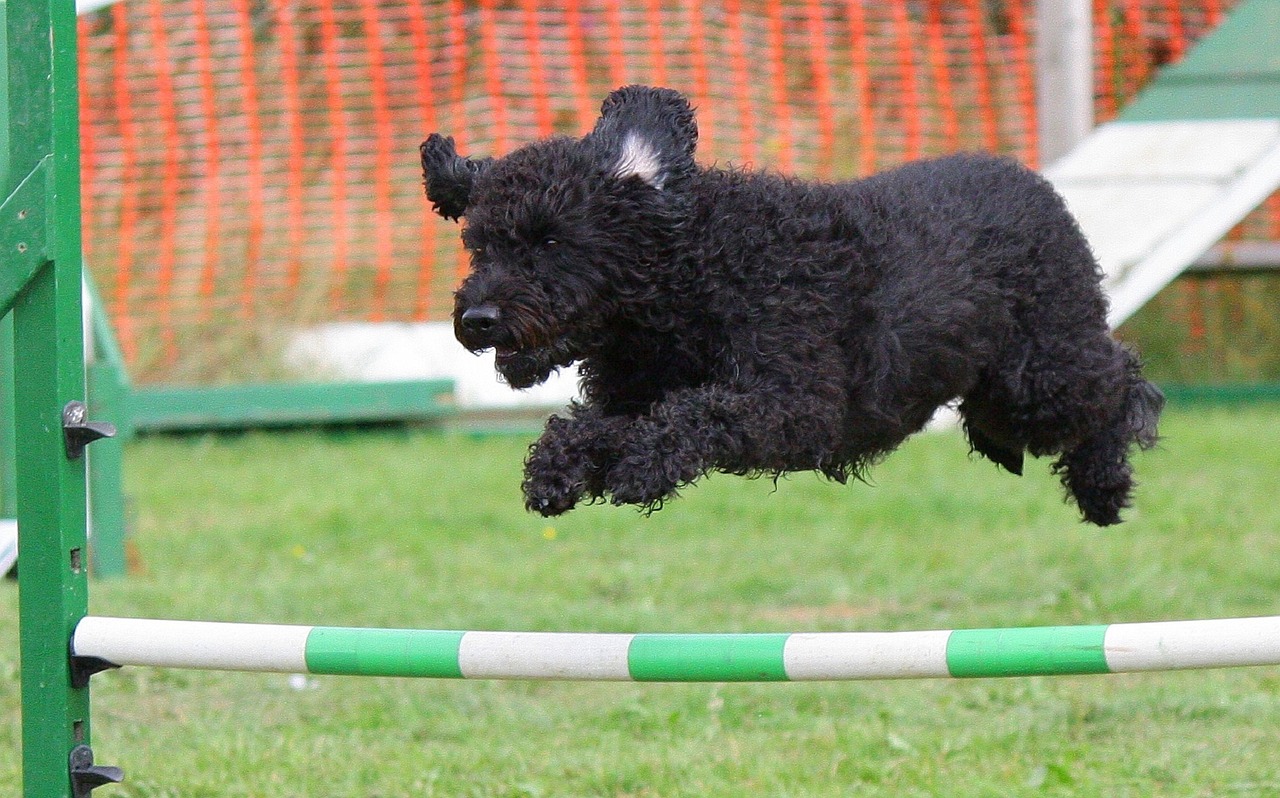

Dealing with Common Behavioral Challenges in Agility Training
Agility training is an excellent way to bond with your dog while providing the necessary exercise they require. However, many dogs may present behavioral challenges during training sessions. Understanding these behaviors is crucial to effectively address them. Common issues include lack of focus, anxiety, and fearfulness, which can hinder progress. Additionally, excessive energy levels may lead to careless actions, making it difficult for the dog to concentrate. It is essential to recognize these challenges early, as they can significantly affect the training experience. Dogs often need time to adjust to new environments and obstacles. Creating a positive learning atmosphere, incorporating plenty of rewards, and offering gentle guidance can help in overcoming these hurdles. Some methods include using treats or praise to encourage desired behaviors. Working in shorter, but more frequent sessions may also prove beneficial. A calm environment free from loud noises or distractions is imperative for successful training sessions. Remember, patience is key in agility training, and consistent practice can lead to remarkable improvements. By employing effective techniques, your dog will be more at ease, making training enjoyable for both of you.
One common behavioral issue during agility training is lack of focus. Dogs may become distracted by their surroundings or feel uncertain about the tasks assigned to them. This often leads to frustration for both the owner and the dog. To combat this, it is essential to capture their attention effectively. One approach involves starting lessons in a familiar environment to improve comfort and focus. Gradually introducing new obstacles and sounds helps acclimate them in a controlled manner. Additionally, frequent use of verbal cues can keep them engaged in the process. Use a variety of commands mixed with positive reinforcement to foster better concentration. Transitioning to different locations can further enhance your dog’s adaptability to new stimuli. Establishing a routine and structure within training can also improve focus levels. Consider incorporating fun elements into the sessions, such as play breaks or games. This encourages dogs to remain engaged while learning crucial skills. Moreover, knowing when to take breaks is essential, as pushing a dog too hard may exacerbate their lack of focus. Together, these strategies form a solid foundation for improving your dog’s focus during agility training.
Anxiety is another common hurdle faced in agility training. Many dogs may feel apprehensive about navigating obstacles or being exposed to unfamiliar environments. This anxiety can manifest as hesitation, avoidance, or even refusal to participate in training sessions. To ease your dog’s anxiety, consider acclimatization techniques before fully immersing them in agility training. Gradually introducing your dog to different equipment, sounds, and environments is crucial. Begin by allowing them to observe from a distance before working up to direct interaction. Providing reassurance and a calm demeanor is equally important. When your dog exhibits signs of anxiety, such as excessive barking or hiding, address these issues immediately. This may include re-evaluating the training approach or offering extra encouragement through treats or praise. Creating a comfort zone with familiar items, such as their favorite toy or blanket, can help alleviate stress. Keep training sessions relatively short, allowing dogs to digest the information better without becoming overwhelmed. Moreover, maintaining consistency in commands and routines fosters a sense of security. This patience and understanding can lead to significant progress when addressing anxiety in agility training.
Overcoming Fearfulness in Training
Fearfulness can severely hinder a dog’s ability to succeed in agility training. Dogs may exhibit fear towards specific obstacles, sounds, or even training equipment. Recognizing these fears is crucial for adapting training methods. Start by observing your dog’s body language for signs of fear, such as cowering, tail tucking, or reluctance to engage. Once identified, work on desensitizing your dog to these fears through gradual exposure and rewarding them for brave behavior. Create a safe environment for them to explore at their own pace. Expose them to elements they fear in controlled settings where they feel secure. When approaching equipment, begin with the least intimidating items, like low jumps or tunnels. Use high-value treats and positive reinforcement to encourage them to interact with these objects. Avoid any forceful methods, as this may amplify their fear. Instead, celebrate small victories to build confidence. Integrating play into training sessions can also assist with reducing fearfulness. For instance, utilize toys or their favorite games to reinforce positive experiences near hesitant obstacles. With time, patience, and proper encouragement, dogs can gradually overcome their fears in agility training.
Excessive energy levels may lead to reckless behavior during agility training. Dogs with high energy often struggle to stay focused and may rush through tasks without paying attention to commands. This can lead to accidents or mistakes that hinder their progress. To manage a dog’s energy, engaging them in pre-training exercises can be beneficial. Activities like a brief walk, playtime, or a game of fetch can help burn off excess energy. After these sessions, dogs are often more ready to concentrate on training tasks. Moreover, incorporating mental stimulation alongside physical activity can help balance energy levels. Puzzle toys and interactive games can serve as great alternatives. If your dog continues to display excessive energy, consider adjusting their daily exercise routine. This could include longer walks, more active play sessions, or behavioral training classes. Recognizing the signs of restlessness is essential, as it may indicate that your dog needs more physical or mental engagement. Remember to maintain consistency in training, as regularity will enhance focus over time. A well-balanced routine can tackle the challenge of excessive energy, paving the way for successful agility training.
Effective Communication and Commands
Communication plays a vital role in agility training, and miscommunication can exacerbate behavioral challenges. Clear verbal cues and hand signals are essential for guiding your dog through the course. Muddled commands might confuse your dog and lead to mistakes, resulting in frustration for you both. To prevent this, ensure consistent terminology is used throughout training sessions. Each command should have a clear and distinct sound to avoid overlap and confusion. Practicing commands outside of agility tasks can further strengthen communication skills. Reinforcing commands in mundane circumstances makes them habitual, improving their response during training. Pairing commands with visual cues can also be beneficial, as some dogs respond better to visual stimuli. Using both verbal and physical commands creates a stronger bond and understanding between dog and handler. In addition, consider using clicker training techniques, where a click sound accompanies rewards for desired actions. This reinforces positive behavior and enhances learning speeds. Regular practice of communication through fun exercises fosters a deeper connection, leading to better outcomes in agility training. Thoughtful and effective communication ultimately supports the overall training process.
Lastly, one of the most important aspects of agility training is the handler’s mindset. Your attitude can significantly impact your dog’s behavior and engagement during training. If you approach sessions with enthusiasm and positivity, your dog is more likely to mirror that energy. A positive atmosphere creates motivation, which can counteract many behavioral challenges. Conversely, if you exhibit frustration or impatience, your dog may pick up on these vibes, leading to decreased motivation. Staying calm and providing constructive feedback during training sessions enhances the learning experience. Moreover, setting realistic training goals helps maintain an encouraging atmosphere. Overly ambitious targets may lead to disappointment, which negatively affects both dog and handler. Break down training into smaller, manageable tasks and celebrate small victories. This way, every session concludes with a sense of achievement and encourages further progress. Connection and trust increase when dogs feel supported through positive reinforcement and encouragement. Lastly, don’t forget to enjoy the process. Agility training should be a fun collaboration between you and your dog, fostering a rewarding relationship. Effective management of your mindset is key to overcoming behavioral challenges in agility training.