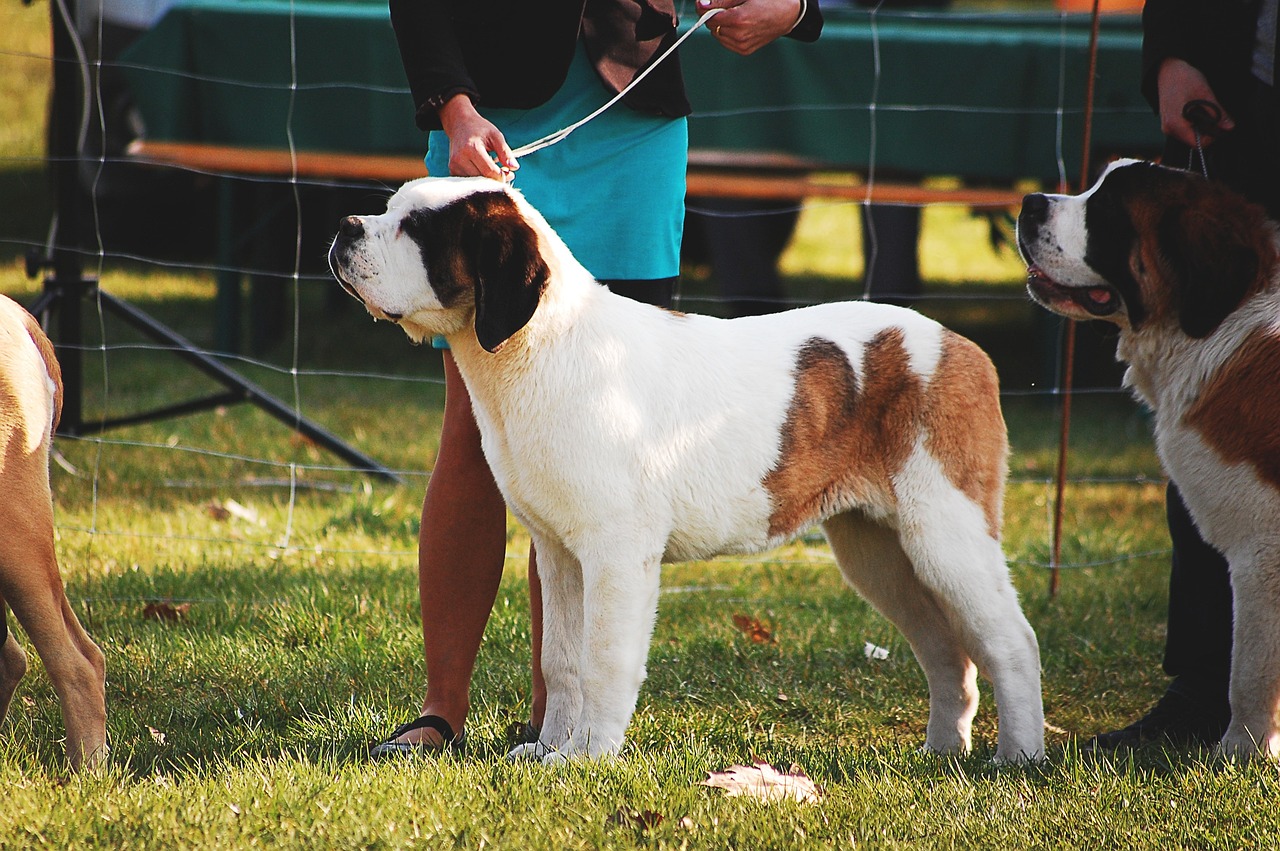

Legal and Ethical Responsibilities in Show Dog Breeding
Dog breeding, particularly for show purposes, carries significant legal and ethical responsibilities. Breeders are tasked with ensuring the health, welfare, and quality of the dogs they produce. This involves understanding and complying with various animal welfare laws and regulations. In many regions, breeders must keep accurate breeding records and register their dogs with recognized breed clubs. Apart from legal obligations, breeders should prioritize the ethical implications of their activities. They must avoid practices that lead to health issues, such as overbreeding or prioritizing aesthetics over health. Ethical breeders should strive to produce dogs that not only meet breed standards but also possess sound temperaments and physical health. Other considerations include the choice of breeding pairs based on genetics and health screenings, aiming to reduce the likelihood of inherited diseases. Furthermore, breeders should provide buyers with clear and honest information about the dogs’ lineage, potential health issues, and proper care. In addition, they should be prepared to support new dog owners, educating them on training, health care, and responsible ownership. This commitment to integrity and responsibility not only improves the breed but also enhances the reputation of breeders and the dog community.
Understanding Animal Welfare Laws
Understanding animal welfare laws is crucial for breeders involved in show dog breeding. These laws vary by country and region, but they typically outline the minimum standards of care for animals. Breeders must ensure that their dogs are provided with adequate housing, nutrition, socialization, and veterinary care. Familiarizing themselves with such regulations helps breeders avoid legal penalties and fosters responsible breeding practices. In many areas, failing to comply with animal welfare laws can lead to serious consequences, including fines or sanctions. Thus, breeders should stay informed about changes in legislation that may affect their practice. Furthermore, these laws often emphasize the importance of preventing cruelty and neglect; thus, breeders should be proactive in ensuring that their breeding environment is safe and humane. Ethical considerations extend beyond mere compliance with laws, encompassing the welfare and quality of life for dogs both during their breeding and after they are sold. For breeders, maintaining licensed status and participating in breed organizations can enhance their credibility. Joining these groups can also provide valuable resources, such as research on breeding practices and guidance on health screenings, which ultimately result in healthier puppies.
Another important aspect of ethical breeding is a commitment to transparency regarding breeding practices. Responsible breeders should provide detailed information to potential buyers about lineage, health tests conducted, and the dog’s upbringing. This transparency nurtures trust and fosters positive relationships between breeders and dog owners. Breeders must also facilitate open communication about the responsibilities of dog ownership, ensuring that buyers are aware of their duties. This guidance contributes to the well-being of the breed and helps prevent the neglect or abandonment of dogs. Moreover, ethical breeders should be willing to assist buyers long after the sale, including offering advice on training, health concerns, and general care. They may even require a contract that stipulates the breeder’s responsibility to take back the dog if a situation arises where the new owner can no longer care for it. Additionally, breeders should actively participate in efforts to educate the public about responsible dog ownership and the significance of adopting shelter dogs. By doing so, they contribute to a more compassionate dog community and highlight the importance of ethical practices within their profession.
Genetic Health Screening
Genetic health screening is a critical component of ethical breeding practices. By performing health tests on breeding dogs, breeders can identify potential hereditary health issues, ensuring that only healthy individuals are paired. This proactive approach not only improves the quality of the puppies produced but also helps reduce the incidence of genetic disorders within the breed. Breeders should choose tests that are relevant to their specific breed, as certain breeds are prone to particular health challenges. Recording and sharing health results reinforces transparency and responsibility, allowing potential puppy buyers to make informed decisions. Additionally, utilizing genetic counseling services can further enhance breeding practices by helping breeders understand complex genetic traits and their implications. Ethical breeders aim to breed for health, temperament, and adherence to breed standards, ensuring that their puppies can thrive physically and emotionally. Moreover, breeders should remain informed about emerging research in canine genetics to refine their practices continuously. By aligning with veterinary professionals, breeders can also develop strategies to manage inherited conditions, improving the overall genetic diversity and health of their dogs. This commitment fosters a healthier future for the breed and earns breeders respect in the dog community.
Breeders should also focus on maintaining breed standards while keeping the welfare of the dogs at the forefront. While adhering to breed specifications is essential for the recognition in dog shows, it should not supersede the overall health and welfare of the animals. Ethical breeders recognize that deviations from certain aesthetic traits can lead to healthier dogs, prompting a shift in focus from purely conforming to standards based solely on looks. Dogs should not be bred solely for their physical attributes unless those traits promote overall health. A progressive mindset embraces the belief that responsible breeding encompasses both health and conformation. This involves critically evaluating what features enhance or detract from a dog’s quality of life, enriching the argument for a balanced approach to breed characteristics. Well-rounded breeders understand this delicate balance and actively work to promote key traits that benefit dogs in their companionship role. Additionally, breeding practices should implement diversity and avoid inbreeding as much as possible, allowing a greater pool of genetic health. Breeders can then produce dogs capable of leading vibrant, active lives, showcasing beauty that inherently transcends physical standards.
Promotion of Ethical Practices
Promotion of ethical practices within the dog breeding community not only enhances the integrity of breeders but also contributes positively to the reputation of show dog breeding as a whole. Engaging with fellow breeders, clubs, and organizations fosters an environment where ethical discussions and practices thrive. This collaboration can provide valuable insights and best practices for proper breeding, care, and adoption. By actively participating in breed-specific events or seminars, breeders can enhance their knowledge and advocate for responsible breeding standards. Furthermore, engaging with puppy buyers in educational sessions can promote responsible pet ownership. These initiatives emphasize the importance of ethical breeding while nurturing a sense of community among dog enthusiasts. Their collective influence can lead to stronger regulations and higher standards for breed registries. Additionally, breeders can leverage social media, blogs, and websites to share their experiences and difficulties, creating a culture of honesty and accountability. This openness fosters an environment where potential buyers can make informed choices, leading to more responsible placements. As breeders actively champion ethical practices, they contribute to a future that prioritizes dogs’ health, happiness, and well-being within the dynamic landscape of dog breeding.
In conclusion, dog breeding for show purposes encompasses various legal and ethical responsibilities crucial for both breeders and the welfare of the dogs. It is imperative that breeders stay informed about animal welfare laws and engage in transparent practices promoting honesty and integrity. Ethical breeders should prioritize health screening, focusing on producing healthy dogs while adhering to breed standards that do not compromise their well-being. By fostering open communication with buyers, offering support throughout dog ownership, and actively advocating for responsible ownership, breeders can significantly impact the dog community positively. Furthermore, promoting ethical breeding initiatives and collaboration among breeders enhances credibility and establishes industry trust, benefiting all involved. When breeders commit to these responsibilities, they not only improve the health and quality of their dogs but also help shape the future of the show dog breed community. These collective efforts encourage a culture that values health, integrity, and ethical practices, ensuring that dogs lead fulfilling lives. Ultimately, responsible breeding contributes to a movement where the health and happiness of dogs come first, setting a positive standard for generations to come.