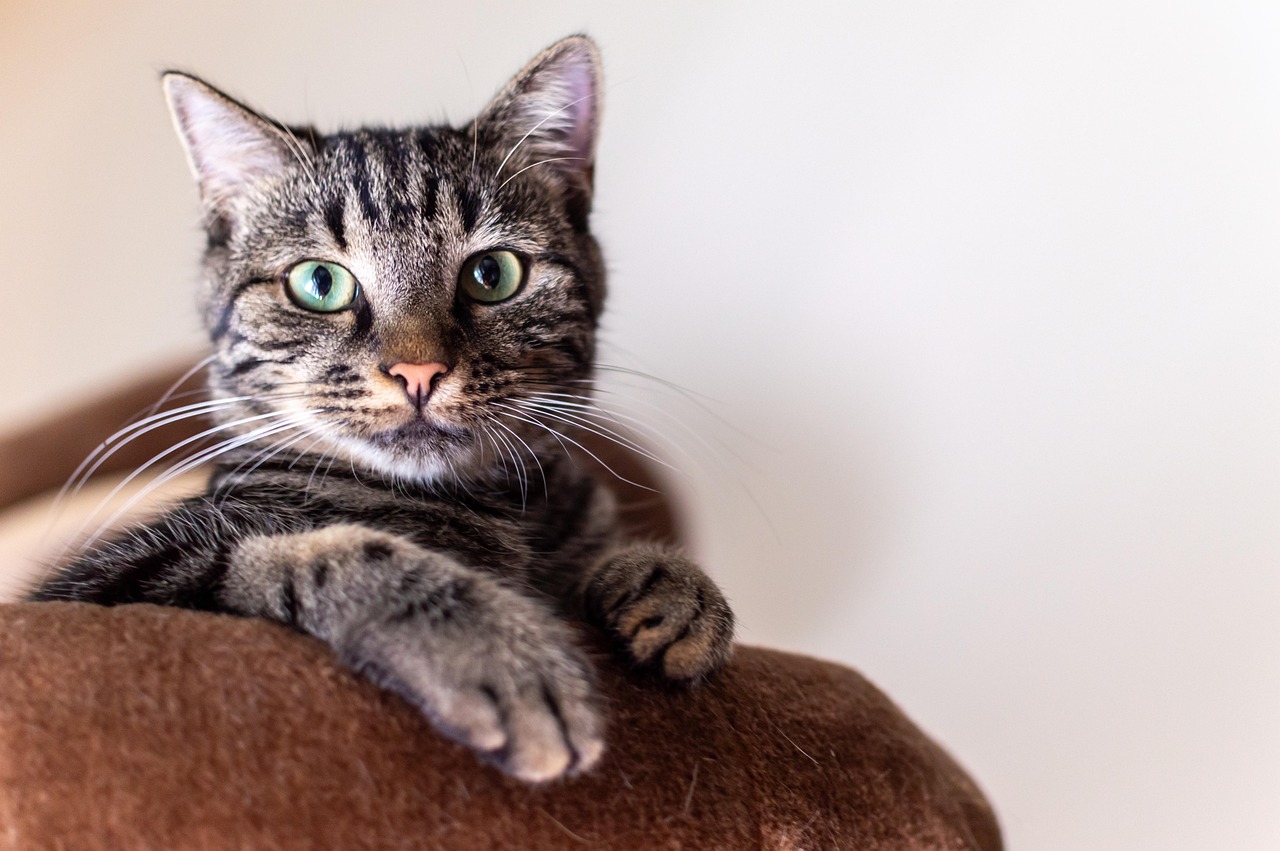

Lighting Techniques to Balance Cats and Other Animals in the Same Frame
Capturing the perfect photograph of cats alongside other pets can be rewarding but requires different lighting techniques to ensure the image is balanced. One crucial factor to consider is the use of natural light. Position your subjects in a bright, well-lit environment to make colors and details pop. Avoid direct sunlight, as it can create harsh shadows or hotspots on animals’ fur. Instead, opt for diffused light, which softens shadows and evenly illuminates both cats and their companions. This can often be achieved by near windows during the softer hours of morning or evening light. Additionally, using reflectors can help bounce light onto your subjects, enhancing their features without being overpowering. Consider investing in a portable diffusion panel to soften sunlight when necessary. Experimentation is key. Various angles can drastically affect the lighting quality and, consequently, the attractiveness of the image. The essence of a successful photograph lies not just in clarity but in capturing moments of genuine interaction between your pets. Observing their behaviors is equally important as it aids your timing for the perfect shot.
Another crucial technique involves flash lighting, particularly in low-light settings or indoors where shadows dominate. Using an external flash unit, as opposed to the camera’s built-in flash, allows for greater control over the dispersion of light. For instance, angle the flash upward to bounce the light off walls or ceilings, creating a flattering, natural glow that reduces harshness. This technique minimizes red-eye, which is often prevalent in low-light situations and with reflective animal eyes. When photographing cats and other pets, balance is key; you want both subjects to appear equally represented in the photograph. Experiment with different flash settings, such as TTL (Through The Lens), which can automatically gauge the correct exposure based on the scene. Don’t hesitate to lower the power of the flash, particularly to avoid overexposing lighter-colored animals that might become washed out in bright flashes. This attention to detail ensures a pleasing aesthetic, capturing the beauty of the entire frame. As you practice these techniques, you’ll notice improvements in your photographs, highlighting both your feline and other pets’ unique characteristics.
White Balance and Color Temperature
Adjusting white balance is another aspect that can significantly enhance photos with cats and other pets. Different light sources emit various color temperatures, which can lead to unappealing color casts in your images. For example, fluorescent lights tend to give images a cool, blue hue, while incandescent bulbs produce a warmer, yellowish tone. Using the correct white balance setting on your camera or making adjustments during post-processing can correct these issues. Familiarize yourself with the white balance presets available on your camera, such as sunny, cloudy, or tungsten. When photographing various subjects, particularly with mixed lighting, the ‘custom’ white balance might yield the best results. To set this, take a photo of a neutral grey card under the lighting conditions you will be shooting in. This means that every time you switch environments, you can reset the white balance accordingly. A well-balanced photo not only captures the subjects realistically but also enriches viewer engagement, garnering appreciation for your work. Don’t underestimate how this simple setting can elevate your pet photography, making it more vibrant and dynamic.
In addition to technical aspects, you should always consider the mood you want to convey through your lighting choices, especially with pets. For instance, if you’re striving for a playful atmosphere, bright, cheerful lighting can help express that sentiment. On the other hand, if the goal is to showcase calmness or intimacy, softer, subdued lighting may be more appropriate. Experimenting with various lighting angles is also key; side-lighting can create dramatic shadows and highlight texture, while backlighting can render a striking silhouette. Think about incorporating props, such as lightweight curtains or screens, which can help control light direction and soften its intensity. If the weather allows, utilizing outdoor settings such as during golden hour can yield stunning results. The golden hour is when the sun is low in the sky, producing warm and flattering tones on your subjects. Remember that animals can be quite unpredictable, so patience is often necessary. With careful planning and an understanding of how lighting affects emotions in photography, you can create stunning compositions of your cats and other pets, capturing their unique personalities.
Camera Settings and Exposure
The settings of your camera can make or break your low-light and balanced photographs. For instance, you should aim for a higher ISO setting to cater for less light, enabling the camera to capture details without excessive noise. However, be cautious; a very high ISO can introduce undesirable graininess to the image. Always seek a balance that retains clarity while still allowing more light into the lens. Besides ISO, adjusting your aperture can also be beneficial. A wider aperture (lower f-stop number) allows more light to reach the sensor, dramatically affecting depth and focus. This is particularly important in pet photography, as you may want to blur distracting backgrounds while keeping your subjects crisp. It’s also essential to use slower shutter speeds, as they can compensate for low-light conditions; however, be vigilant since too slow can cause motion blur, particularly with active animals. Using image stabilization techniques or a tripod can help mitigate this problem. As you acclimate to your camera settings, you’ll find your work becomes more versatile, enabling you to adapt to various lighting situations without difficulty.
Another element worth considering when photographing a variety of pets is the collaborative nature of team photography. When picture-taking setups involve more than one pet, communication becomes essential. Directing multiple animals toward the light while ensuring they interact can help in achieving stunning images. It often requires practice and finding that perfect timing when they display natural chemistry. Their interactions can yield beautiful moments, from playful antics to gentle displays of affection. Consider using toys or treats as rewards to help engage your subjects and encourage cooperation. In moments of stillness or inactivity, you may find that candid shots reveal your pets’ true personalities. Creating impulse shots when they aren’t aware of the camera can capture unique moments, presenting genuine expressions. Animals can sense energies; thus maintaining a relaxed atmosphere can result in better cooperation. An environment where they feel at ease translates to more natural and beautiful compositions. Being a keen observer means grasping these precious instances so you can immortalize their bond through your lens, showcasing both cats and other pets in harmony.
Post-Processing Techniques
Finally, mastering post-processing techniques can help enhance your photographs even after the shoot. Using software like Adobe Lightroom or Photoshop enables you to make adjustments to exposure, saturation, and contrast easily. One of the advantages is that you can fine-tune the color balance to rectify any discrepancies caused during the shoot. If you notice a color cast from shadows or mixed lighting, this feature becomes invaluable. Cropping can also improve composition, centering focus on the interaction between pets and simplifying distractions. Furthermore, sharpening can convey intricate details in fur, and this can create that much-needed pop in your shots, making them more engaging. Be careful not to over-process, as that can diminish the natural charm of your pets. Always aim for a final product that still retains a genuine representation of your beloved cats and their fellow companions. Finally, consider sharing your edited images on social platforms to receive feedback or critiques from fellow pet photography enthusiasts. This community interaction can foster growth and further enhance your skills.