
Natural Approaches to Managing Feline Depression
Feline depression is a serious issue that often goes unnoticed. Many cat owners may overlook changes in their pet’s behavior, attributing them to normal mood swings or aging. Understanding feline depression is essential as it can lead to more severe health problems. Symptoms include changes in appetite, lethargy, and withdrawal from interaction. Natural supplements play an important role in managing these symptoms effectively. These supplements can provide relief while minimizing the risks associated with pharmaceuticals. Always consult with a veterinarian before administering any supplement to ensure it is safe for your cat. Some common natural options include herbal remedies, amino acids, and essential fatty acids. These natural supplements can help to improve mood and reduce anxiety in depressed cats. Monitoring your cat’s response is key to finding the right combination that works. Environmental enrichment is also a crucial part of managing feline depression. Creating a stress-free environment with engaging toys and comfortable spaces can enhance your cat’s emotional well-being dramatically. Learning more about these natural options can aid in fostering a happier, healthier life for your beloved feline friend.
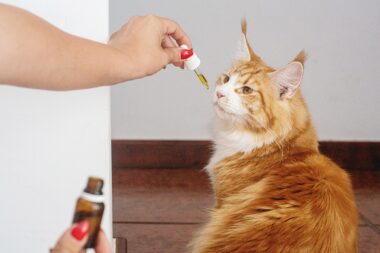
Herbal remedies have been used for centuries to promote emotional wellness in both humans and animals. One popular choice is St. John’s Wort, known for its mood-enhancing properties. This herb can serve as a natural antidepressant and is often suggested for animals showing signs of depression or anxiety. Another effective option includes valerian root, which helps calm cats and reduce stress levels. This herb can come in the form of capsules, teas, or tinctures, making it versatile to use. It is crucial to ensure that such herbs are appropriate for your cat’s specific condition. Other options like chamomile can bring relaxation and help ease tension in your pet. Additionally, consider using passionflower, known for its soothing effects. Implementing these remedies can significantly improve your cat’s mood. However, always introduce any new supplement cautiously to observe how your cat reacts. Consulting your veterinarian prior to integrating any herbal remedy is strongly recommended. This practice not only safeguards your cat’s health but also contributes to developing a tailored wellness plan suited to their personal needs.
Essential Nutrients and Supplements
Amino acids provide essential building blocks for numerous biochemical processes within your cat’s body. One important amino acid, tryptophan, serves as a precursor for serotonin, a neurotransmitter responsible for regulating mood. Increasing your cat’s tryptophan intake may help elevate their mood effectively. Feeding your cat a diet rich in protein can help increase this amino acid’s availability. Some commercial cat foods include added tryptophan, but natural sources such as turkey and chicken can also be beneficial. Omega-3 fatty acids are another crucial nutrient linked to mental health, known for their anti-inflammatory properties. Regularly incorporating fish oil or flaxseed oil into your cat’s diet can help improve mood and promote overall well-being. Many opt for supplements to ensure their feline has adequate intake. Always select high-quality products, as lower-grade options may lack efficacy or even harm your pet. Additionally, consider vitamin B complex, as deficiencies can contribute to behavioral issues. Providing proper nutrients will complement any other approaches being taken, further supporting your efforts in helping your cat cope with depression.
Creating a calming environment is essential when addressing feline depression. Providing a safe, stress-free home contributes significantly to a cat’s overall emotional health. Consider placing cozy resting areas in different spaces where your cat feels secure. Soft blankets or cat beds can help your pet feel more settled. Offer vertical spaces such as shelves or cat trees, which can serve as safe havens when they need personal time. Additionally, using calming pheromone diffusers can mimic the natural pheromones cats produce. These diffusers can help create a soothing atmosphere that lessens anxiety, making your home a more peaceful place. Remember that overstimulation can also contribute to anxiety and depression, so be mindful of the noise levels and daily activities. Interactions during playtime should be gentle and conducive to building trust. Focus on quiet and slow-paced activities, as this can enhance emotions positively. Remember that some cats have unique personality traits where they may thrive better in secluded settings. Understanding your cat’s specific needs is crucial for creating the best environment catering to their well-being.
Interactive Play and Exercise
Regular exercise and interactive play are vital for maintaining your cat’s mental health. Engaging them in physical activities can alleviate symptoms of depression, reducing stress and anxiety levels. Playtime enhances your bond and encourages natural hunting instincts, providing mental stimulation. Providing a variety of toys, such as feather wands, laser pointers, and puzzle toys, can keep your feline entertained. Rotating toys every few days keeps things fresh and exciting, encouraging regular interest. Interactive toys that dispense treats or mimic prey behavior can engage cats mentally and physically. By challenging their skills while having fun, they can release pent-up energy. Establishing daily routines can help your cat feel secure. Schedule designated play sessions, incorporating different toys to keep things interesting. Monitor your cat’s energy levels to ensure they participate actively. Some may require more encouragement than others, so adjusting your approach based on your observations is essential. Through regular play and exercise, you promote a balanced lifestyle that significantly improves your cat’s emotional well-being while reducing depression symptoms.
Incorporating a routine can significantly impact your cat’s emotional health and assist in managing depression. Cats thrive on predictability, and creating a consistent daily schedule can provide comfort. Establish set times for feeding, play, and affection to help your feline feel secure. Engaging activities can help alleviate stress and combat the feelings of loneliness and sadness. A daily routine encourages interaction while creating a sense of stability. Additionally, try to identify and minimize triggers causing distress. This may include loud noises, disruptions, or new pets. By addressing these factors, you can establish an calming atmosphere and maintain your cat’s emotional wellness. Positive reinforcement also plays a crucial role in encouraging healthy behaviors. Rewarding positive actions through praise or treats helps foster a sense of achievement. Patience and understanding during this process are necessary to allow your pet to adjust completely. Remain observant of their behavior as you implement these changes. Consistently focusing on your cat’s needs will contribute to combating depression while strengthening your relationship.
Consulting with Your Veterinarian
Always consult your veterinarian before making changes to your cat’s health regimen. They can provide valuable insight into your pet’s specific needs and recommend suitable natural supplements. A veterinarian specializing in feline health is essential for formulating an effective plan tailored to your cat’s condition. During consultations, be open about behavioral changes you’ve observed and potential factors contributing to their depression. Providing detailed information about their history can facilitate better assessment. Your veterinarian may suggest specific tests to rule out any underlying health issues causing behavioral changes. Ensuring your cat is physically healthy is crucial for forming an accurate diagnosis for any mental health issues. They can also prescribe medications if natural approaches are deemed insufficient. Regular check-ups can assist in creating an effective long-term management strategy for feline depression. Create an open line of communication with your veterinarian to collaborate effectively on the best course of action. By prioritizing your cat’s mental health and working closely with professionals, you can foster emotional wellness and a happier, healthier life for your feline friend.
Caring for a cat experiencing depression requires both commitment and understanding. Implementing natural supplements alongside lifestyle changes can effect significant improvement in your cat’s well-being. Always remember that progress may take time, and each cat has a unique journey toward recovery. As you explore different approaches, continuously monitor your feline’s behavior and adjust your strategies accordingly. Combining various methods allows for holistic improvement, ensuring your cat receives comprehensive support. The goal remains fostering a joyful, engaging lifestyle that enhances their emotional health. Devoting energy to enriching your cat’s life can yield remarkable results. You will create a nurturing environment by ensuring they feel safe and loved. Regular check-ins with your veterinarian will provide ongoing guidance throughout this process. Identifying what works best for your cat can make a world of difference in their recovery journey. Emphasize rehabilitation through compassion, patience, and a commitment to improving their quality of life. By doing this, you can develop a thriving, joyful existence, enriching both your life and your cat’s. Ultimately, maximizing your efforts to help your feline will yield long-lasting effects, ensuring they remain happy and fulfilled.