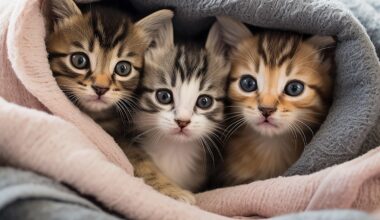

Selecting Breeding Cats: Traits and Considerations
When breeding cats, certain traits must guide your selection process. A healthy cat should first be your priority, considering genetic diversity, immunity, and temperament. Look for cats with no history of genetic diseases. Equally important is the cat’s pedigree; an impressive lineage can provide better assurance of the cat’s genetic health. Examination of the cat’s behavior plays a pivotal role too; friendly and social cats typically produce similarly well-tempered offspring. Furthermore, consider the breed’s characteristics; different breeds possess unique traits that could influence their communication, grooming needs, and compatibility with various lifestyles. It’s beneficial to research the specific breed standards by visiting breed clubs or online resources. Exercise caution when choosing cats that display aggressive or fearful behavior, as these traits can be inherited. In addition to the physical appearance and pedigree, understanding the cat’s typical health issues is vital since some breeds may suffer from specific conditions. Keeping these factors in mind will enhance your chances of raising a healthy, balanced litter for your cattery, ensuring their success and happiness.
Having an understanding of breed-specific traits is crucial when selecting breeding cats. Many breeds come with their unique challenges and benefits, hence knowing these specifics will aid in reasonable decisions. Health screening is essential to spot any congenital issues that might affect future generations. Responsible breeders often perform a battery of tests on their breeding cats, ensuring both parents are free from hereditary diseases. Always request or check for health clearances from vet specialists. It is pivotal to be aware of temperament; kittens typically inherit personality traits from their parents. Therefore, cats that demonstrate sociable, adaptable temperaments are preferable. Moreover, consider the reproductive history of the cats. Some cats may experience complications during pregnancy or birth, which can affect their ability to be strong breeding candidates. It’s also wise to have a decent understanding of the cat’s past litters if applicable. Consult with other breeders or veterinarians about their experiences with particular cats or breeds. This knowledge will enhance your understanding and decision-making, ensuring that the breeding process is as seamless and successful as possible.
Evaluating Physical Attributes
Physical attributes significantly impact your breeding program’s vision and results. The ideal breeding cat should conform to recognized standards for its breed, so understanding these standards is essential. Pay special attention to physical features such as ear shape, eye color, coat texture, and body structure, as these traits can greatly influence the appeal and health of offspring. Monitor any abnormalities that might not only affect the cat itself but could also impact subsequent generations. Notably, breeding cats with desirable traits will make kittens more appealing for sale or adoption. For instance, if you’re in a market where specific coat patterns are favored, prioritize those characteristics in your selection. Regular grooming is not only part of responsible cat ownership but also helps highlight any health issues in your cats during the breeding phase. Furthermore, their overall condition, including weight and fitness, must meet established standards. Only then can you ensure that the cat has the stamina to engage in breeding cycles and support the health of kittens during critical stages of development.
Personality traits are equally as important as physical attributes when selecting breeding cats. The approach to breeding involves understanding how temperament influences behavior in both adult cats and their kittens. It’s advisable to choose cats that display friendliness or curiosity, since such traits often translate to social behaviors in their offspring. To gauge personality, observe how they interact with other animals or people. Engaging with both prospective breeding pairs allows for assessments of their responses to different stimuli. For example, a cat that does well in a social environment will likely pass on those positive traits to their young. Always remember that creating a nurturing environment positively impacts kittens’ development. It’s essential to provide adequate socialization opportunities during their formative weeks. Poorly socialized kittens may grow up to be fearful or aggressive, traits that can be traced back to their parents. Evaluating behavior with consistency will ensure you breed cats that produce stable, friendly litters. When you systematically focus on selecting worthy candidates, expecting healthy and well-adjusted kittens seems more attainable.
The Importance of Health Testing
Health testing takes precedence in the breeding process as it identifies risks that could affect the overall quality of your cattery. Confirming that both breeding parents are healthy minimizes the likelihood of transmitting hereditary conditions to kittens. A plethora of tests can help in establishing a breeding cat’s fitness; for instance, genetic testing for breed-specific disorders is commonplace among reputable breeders. Tests such as hip evaluations and blood screenings are necessary to spot any existing health irregularities. Immunization history should also be part of your research, ensuring that breeding cats are adequately protected against common feline diseases. Always request and keep thorough documentation of these health tests. This acts as a reference for future breeding decisions, and showcases responsible breeding practices to prospective buyers. Additionally, engage with veterinarians who specialize in feline health; their insights can be invaluable. A professional opinion could help differentiate between a suitable candidate and one that may pose long-term challenges for your breeding program. With comprehensive health knowledge, you can pursue the breeding journey with confidence, ensuring healthier lineage for your offspring.
Another significant factor to consider when selecting cats for breeding involves their age. The age of breeding cats has a definitive impact on fertility and overall health. Ideally, breeding should occur between the ages of one and six years; this ensures a balance between youthful vitality and experienced knowledge. Younger cats are often more energetic, while older cats may have more developed health insights, striking a balance that can enhance the breeding program. However, it’s crucial to avoid overbreeding; this can lead to health complications for both the mother and her kittens. Keep in mind that continuous breeding without proper rest can negatively affect the health of the mother, drastically altering energy levels and overall reproductive success. Furthermore, monitor the time frames between litters carefully; breeders typically prefer to give their cats a break after producing young, allowing them a chance to rejuvenate. Planning breeding timings will ensure that cats are fully prepared — both physically and emotionally — for the responsibilities that will come with nurturing their offspring. Ultimately, selecting the right age category for breeders sets the stage for a successful cattery experience.
Building a Strong Knowledge Base
In the realm of cat breeding, continuous learning is paramount. Keeping updated with the latest breeding techniques, health testing advancements, and best practices in feline care can significantly affect your breeding endeavors. Engaging with local or online breeding communities enables you to exchange insights and experiences with fellow breeders that share your professional interest. Participating in workshops, seminars, or conferences focused on feline health can also enhance your skills and knowledge. Additionally, using reliable online resources, such as articles published by veterinary professionals, can aid you in navigating the challenges faced during breeding. Remember that breeding cats is more than just producing kittens; it’s about fostering a nurturing environment that promotes the health and happiness of both dam and offspring. Documenting your own experiences through journaling can provide personal insights into your breeding journey, promoting ongoing growth. Eventually, growing into a knowledgeable cat breeder demands time, patience, and a willingness to learn from both successes and failures. You surely want your cattery to be a beacon of quality and care in the breeding community.
In conclusion, selecting appropriate breeding cats involves many critical considerations essential for a successful cattery. From understanding the genetic traits suitable for each breed to valuing temperament and health, creating effective breeding strategies is an art form. It requires a diligent balance of practical experience and theoretical knowledge to make informed decisions. While evaluating specific attributes like health tests, age, and behavioral tendencies plays a vital role, fostering a network for knowledge exchange adds an extra layer of depth to any breeding program. Commitment to this craft spans much beyond desire; it’s a blend of love for the animals, acknowledging ethical responsibilities, and ensuring a high standard throughout the breeding process. Potential breeders must emphasize not only the quality of the cats being bred but also the overall betterment of the breed and its community. By embracing these various considerations, responsible breeders will positively influence the trajectory of future generations, enriching the cat breeding landscape with informed choices that uphold both health and well-being. Ultimately, the knowledge invested today paves the way for a flourishing future of healthy and loving feline companions.