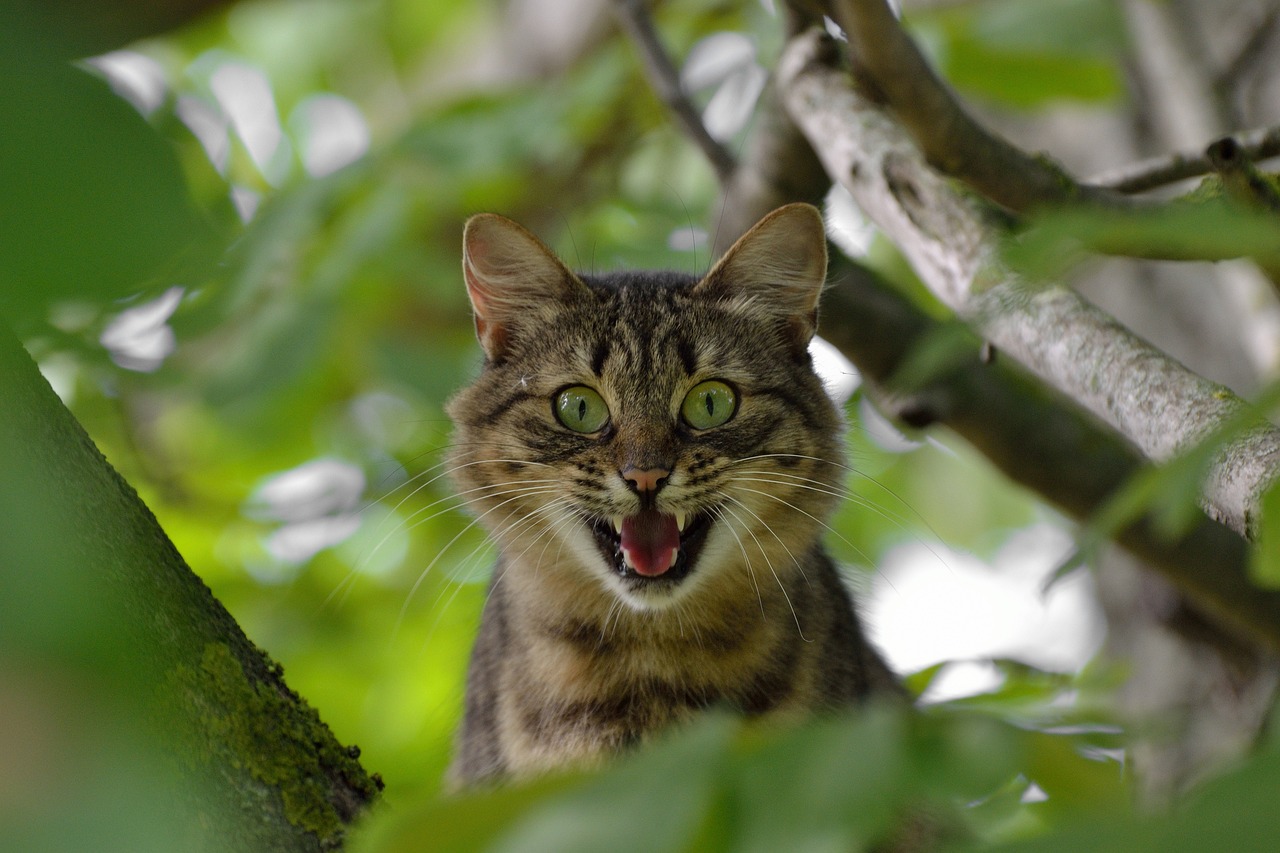

Signs and Symptoms of Aggression in Geriatric Cats
As our furry companions advance in age, their behavior may change significantly, particularly regarding aggression. Identifying signs of aggression in older cats is crucial for their well-being. Unlike younger cats, senior felines may not exhibit overt aggression. Often, subtle changes in behavior can be indicative of underlying issues. Common signs include growling, hissing, and showing teeth when approached. However, this aggression can also mask fear or discomfort. Assessing their environment for stressors is essential in this case. Moans or sudden movements could trigger unexpected aggression. Factors such as pain, health problems, or sensory deficits might also evoke such reactions. Additionally, environmental changes, like new pets or loud noises, could elicit a defensive posture. It is vital to recognize when these behaviors manifest, as they often signal an underlying issue that needs to be addressed. If you notice your cat becoming less tolerant, try to observe the patterns and triggers. This will help in understanding their emotional state. Consult a veterinarian if the aggression seems excessive or if there are health concerns that need attention.
Older cats can display a range of aggressive behaviors that might be troubling for their owners. One common behavior is sudden swatting or lunging during petting or grooming sessions. This reaction can result from overstimulation, a condition that occurs when a cat feels overwhelmed despite physical affection. Older cats might be more sensitive to touch due to skin or joint pain, which could lead to aggression when they feel uncomfortable. Additionally, some older cats experience cognitive changes. Cognitive dysfunction syndrome can manifest in aggression towards familiar family members or other pets. Engaging them in calm, gentle play may help mitigate aggressive tendencies. Important triggers to watch for include sudden movements or loud noises that can frighten them. It is often beneficial to give them a safe space free from disruptions. Providing vertical spaces or cozy hiding spots can also help reduce territorial behavior. Recognizing these subtle cues can allow for better communication with your older cat. Always remember that patience is required as they adjust to their changing environment and health. By maintaining a stable routine, you can provide comfort to your furry friend.
Behavioral Changes and Their Implications
Behavioral changes in older cats can often indicate underlying aggression rooted in anxiety or fear. Felines may demonstrate aggression as a defensive mechanism when feeling threatened. Signs of aggression such as dilated pupils or a tense body posture should not be overlooked. Cats may also exhibit changes in their social dynamics; they could become either more submissive or overly assertive toward other pets. Many older cats also develop a stronger desire for solitude. This withdrawal might be misconstrued as aloofness, but it often results from the need for safety and comfort. Watchful observation of behavior can reveal how your cat feels in various situations. Additionally, changes in vocalization can also signify discomfort. Unusual growls or yowls may reveal aggression stemming from confusions, such as not recognizing familiar individuals. Note that some changes can be attributed to cognitive decline as well. This may include disorientation or even becoming uncharacteristically aggressive. Regardless of the cause, understanding these behavioral changes is essential for fostering an environment that supports your pet’s mental well-being. Observing how they interact with their surroundings can reveal what they are facing emotionally.
Health problems play a significant role in feline aggression. Conditions like arthritis or dental issues can cause pain, leading to irritability and sudden aggression. Cats are notoriously good at hiding pain, so recognizing subtle changes in behavior is crucial. These health-related issues can alter a cat’s temperament, making them intolerant of handling or touch. It’s critical to investigate any sudden behavior changes. If a usually docile cat begins growling or swatting, it may signal pain rather than aggression. Regular veterinary check-ups can help detect these issues early. Another health aspect that can affect behavior is hyperthyroidism, which can lead to increased irritability and aggression in older cats. Behavioral assessments should also include the possibility of cognitive dysfunction. Boredom, which sometimes stems from limited interaction or play, can contribute to aggressive behavior in older cats. If a cat is not sufficiently mentally stimulated, it may resort to aggressive reactions to regain attention or express frustration. Thus, incorporating engaging toys or interactive playtime can alleviate some of this aggression. Ensuring both mental and physical stimulation is crucial in addressing any behavioral issues your older cat may face.
Managing Aggression Through Environmental Changes
Managing aggression in older cats often requires modifications to their living space. Creating a peaceful, safe environment can significantly reduce stress and fear, which are common triggers for aggression. Designate quiet spaces where your cat can retreat when feeling overwhelmed. Soft bedding or cozy hideaways can provide comfort and safety. Additionally, consider having vertical spaces like shelves or cat trees. Elevation helps cats feel secure and in control of their environment, which may reduce aggressive tendencies. Minimizing stressors further entails controlling noise levels and limiting interactions with unfamiliar animals or people. Calming pheromones or soothing music specifically designed for cats can help create a relaxing atmosphere. Moreover, it is crucial to supervise interactions between your older cat and younger pets. Constant supervision can prevent hostile encounters that might evoke fear or insecurity. Gradual introductions to new pets should always be prioritized. Allowing older cats to set the pace will assist in reducing defensive aggression. Providing a controlled environment fosters peace and reassures your elder feline. Remember, each cat is unique, so adapt their surroundings to fit their comfort levels and needs.
Another method for managing aggressive behavior in geriatric cats is behavioral training. Positive reinforcement techniques can encourage desired behaviors while reducing aggression. Employing treats and affection as rewards for calm behavior can create positive associations. Gradually desensitizing your cat to triggers that typically provoke aggression can also be beneficial. Regularly engaging them in gentle play sessions can help channel excess energy and stress into constructive behaviors. Ensuring that your older cat feels secure is paramount in addressing aggression. Providing regular routines regarding feeding and playtime can alleviate anxiety that contributes to aggressive tendencies. Avoiding confrontational techniques is crucial, as this can further escalate aggressive misunderstandings. Instead, focus on building trust through patient interaction and recognizing when your cat is uncomfortable. Allow them to approach you on their terms. Seeking guidance from professionals, like animal behaviorists, can also assist in understanding specific behavior problems while suggesting suitable strategies. A holistic approach involving environmental management and behavioral modification is often essential for navigating aggression in older cats. Patience and persistence are required to see effective results, but the emotional health of your older feline is worth every effort.
Conclusion and Importance of Professional Guidance
In conclusion, recognizing and addressing aggression in geriatric cats requires diligence and care. While aging can change behavior significantly, understanding these changes is crucial. Being attuned to your older cat’s signs of aggression can lead to timely interventions, enhancing their quality of life. Consulting with a veterinarian is vital when behavioral changes are observed. They can help to rule out medical issues while advising on behavioral training or medication if necessary. Moreover, it is crucial to remember that each cat’s behavior influences their health. A safe and nurturing environment will foster a significant reduction in aggression. Utilizing calming strategies and environmental enrichment can greatly benefit your older cat. The combined efforts of observation, modification, and professional guidance are the keys to managing feline aggression effectively. Such an approach aids in addressing aggression while simultaneously improving the emotional bond between you and your cat. Understanding that senior cats may need extra care and attention can transform their twilight years into a period of comfort and affection. By being proactive and responsive, you can ensure your geriatric companion remains a cherished and loving presence in your home.
Lastly, continuous support from pet owners is essential in helping older cats remain calm and content. Remaining patient and compassionate throughout difficult times can foster trust in the cat-human relationship. Being present and responsive to their emotional state will minimize aggressive responses. Regular observation and documentation of behavior changes can provide insights when discussing with veterinarians or behaviorists. Showing empathy and understanding toward your senior cat’s struggles will further strengthen your bond. Freely offering affection, respect, and space when needed will maintain harmony. When fostering a deeper connection with your older cat, the benefits extend far beyond reducing aggression. A healthy environment predisposed towards peace results in holistic wellbeing. Investing time and effort to recognize and address these behavioral changes ensures your feline friend continues to enjoy their years with dignity and love. Ultimately, managing aggression in older cats is a shared responsibility between guardians and professionals. Together they serve to protect the emotional and physical health of beloved pets. Ensure to consult professionals for tailored approaches and better insights into your cat’s specific behavior. With adequate care, dedication, and professional support, even aggressive tendencies can transform into peace, trust, and comfort.