
The Psychology Behind Cats and Their Love for Vertical Spaces
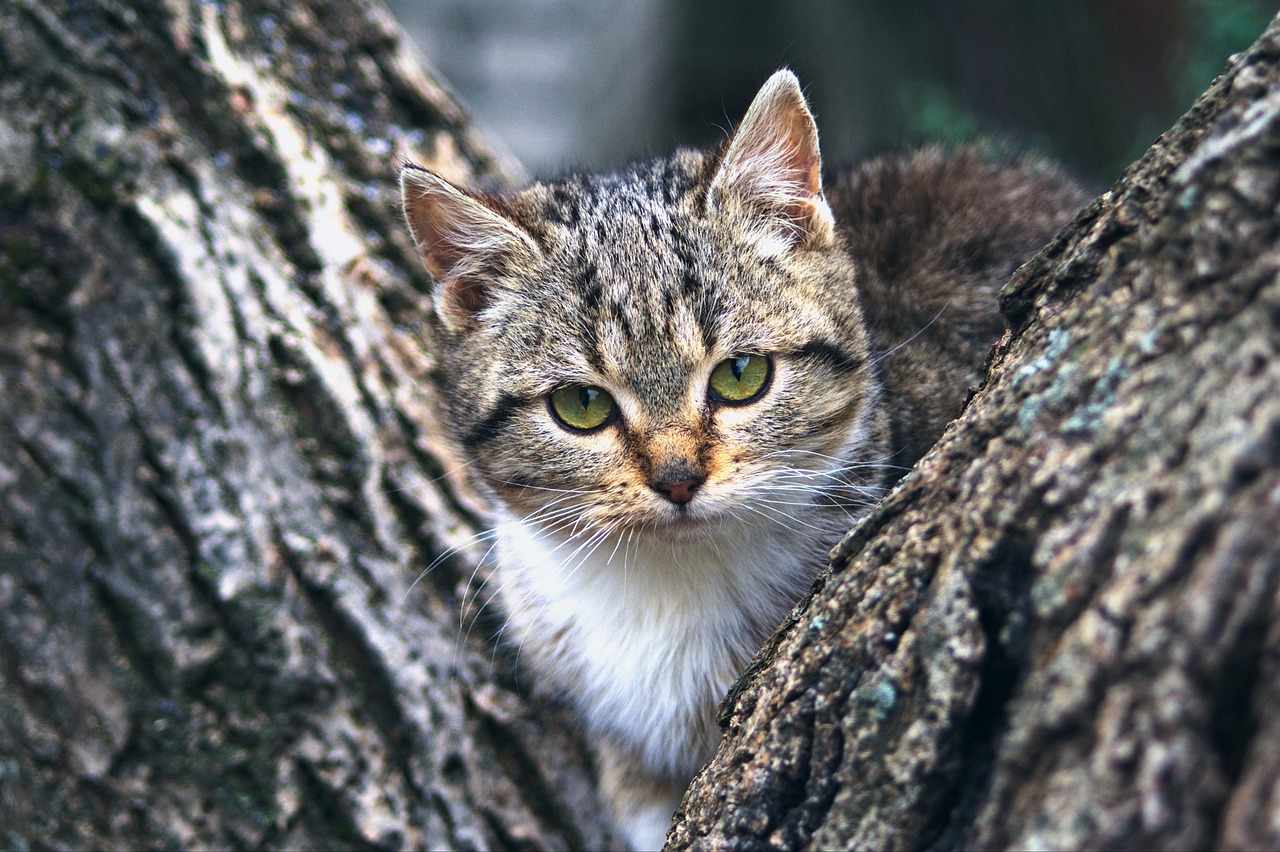
Cats are remarkable creatures that exhibit unique behaviors largely influenced by their evolutionary traits. One standout characteristic is their love for vertical spaces, such as cat trees and condos, which cater to their instincts and psychology. These vertical environments fulfill essential needs for safety, play, and observation. From an evolutionary perspective, agile climbers, cats instinctively seek high vantage points to scout for predators and potential prey. The allure of height grants them a sense of security and control in their surroundings. Moreover, climbing engages their natural hunting instincts and provides physical exercise, crucial for overall health. By observing the world from an elevated position, cats also alleviate boredom through stimulation of their sharp senses. Not only do these vertical spaces enhance their quality of life, they also offer a peaceful retreat from more stressful, low-lying areas. Households with multiple pets can significantly benefit from cat trees as a means to establish territory and reduce potential conflicts. Thus, cat condos and trees serve not just as furniture, but also as psychological sanctuaries that promote wellbeing for feline companions.
Vertical Spaces as Safe Havens
Safety is paramount in a cat’s world; hence, vertical spaces provide an essential refuge. Cats are natural prey for various predators, making the need to seek higher ground an instinctual behavior rooted deep within them. When a cat accesses a tree or condo, it fosters an instant sense of safety and protection, allowing them to survey their environment from a secure spot. This instinct explains why cats enjoy sitting on perches or shelves, as it gives them freedom to escape and perch to their hearts’ content. Additionally, vertical spaces help lessen anxiety in households with multiple pets. Each cat can claim its unique high spot, alleviating potential aggression as they can monitor and manage their territory. Providing these retreats can lead to reduced stress levels, enabling cats to develop healthier habits. Cats are also creatures of curiosity; vertical spaces allow them to explore and play actively. Without appropriate outlets for their natural behaviors, they may develop behavioral issues. Consequently, investing in quality cat trees or condos significantly contributes to a cat’s mental health and stability.
Playing is another critical element in a cat’s life. Vertical structures enable energetic play sessions that mimic real-life hunting scenarios, promoting both mental stimulation and physical exercise. Cats love to climb, jump, and explore every nook and cranny, keeping their hunting instincts alive. The odds of encountering boredom are much less when a well-designed cat tree is available, equipped with scratching posts, hanging toys, or hiding spots. Moreover, the opportunity to pounce or leap off a high place can satisfy their innate need for stimulation, allowing them to express their wildness while living in a confined space. Engaging in play enhances their overall state of mind, reducing the likelihood of behavioral problems like aggression, scratching furniture, or excessive meowing. When owners provide compelling environments that encourage active play, they foster a positive outlet for feline energy. By investing in a variety of vertical spaces in the home, cat owners can ensure their furry friends are not only entertained but stimulated enough to learn and thrive. Thus, vertical spaces are paramount for cats to live fulfilling lives, both physically and psychologically.
Encouraging Exploration Through Height
Height encourages natural exploratory behavior in cats, allowing them to satisfy their natural curiosity. Cats inherently desire to investigate their territory and gaining altitude presents a new perspective. When they are able to explore vertical spaces, it drives their innate need to check out new sites without any hindrance. These explorative tendencies mimic their wild counterparts, leading cats to want to traverse landscapes, reminding them of their royal hunting ancestry. Imagine a kitten cautiously inching its way up a scratching post; it is a thrilling experience for them, instilling confidence by reaching new heights. This freedom to explore directly allows them to find new areas of interest, contributing significantly to overall mental stimulation. Owners can capitalize on this instinct by incorporating various designs of cat trees that boast complex structures, different tiers, and safe ramps. Different designs can compel cats to engage their minds more deeply and undertake physical challenges that promote overall wellbeing. Furthermore, place toys or treats at various heights to encourage an engaging, fulfilling climb. Height transforms into an exploration tool, stimulating their natural behaviors, enriching their lives, and providing a sense of accomplishment after each climb.
While exploring vertical spaces, social dynamics among cats also play a critical role. When multiple cats share a home, establishing hierarchy becomes crucial, and vertical spaces help facilitate this structure. Cats often use height to assert dominance or seek safety when feeling threatened. Observing feline drama from above offers comfort and reassurance, allowing each cat to find its rightful place within the social hierarchy. Providing multiple cat trees with varying heights ensures each pet feels secure and respected in its territory. In particularly large households, it’s advisable to have enough vertical spaces to prevent competition for the best sunny spots or hiding nooks. By allowing interactions, cats can develop more harmonious relationships and avoid territorial disputes. Moreover, crowded environments can lead to tensions among pets, but sufficient vertical options enable them to retreat and establish private spaces. Consequently, vertical living arrangements are not just functional but serve as a psychological tool to manage relationships among pets. These structures foster harmony in multi-cat households while reinforcing individual cat identities and independence.
Design Considerations for Cat Trees
When choosing or designing cat trees and condos, several factors should be considered to ensure that the spaces cater to these feline instincts. Materials used in cat furniture should be durable and easy to maintain, ensuring longevity for the vertical structures. Moreover, taller trees enable cats to fulfill their climbing needs, along with various scratching materials like sisal or carpet to ensure effective scratching. Creating a cozy atmosphere often includes adding soft fabrics, comfortable pads, or small hideaways where cats can curl up for a nap. These thoughtful inclusions create a sense of ownership, ensuring that your cat loves their vertical sanctuary. Varying platforms also encourage movement and provide enriching experiences every time they settle in their respective spaces. Factors such as stability and safety also need to be prioritized; avoid designs that wobble when a cat leaps, as this may cause anxiety or discourage their use. Likewise, colors and patterns should match your home aesthetic, allowing you to harmoniously introduce cat furniture into your living space. A well-designed cat tree becomes an essential piece of furniture that complements both a cat’s needs and the owner’s home.
Finally, observing the dynamics and responses of your cats as they utilize their trees can offer insight into how effective their design is. Every cat has unique preferences; some may prefer ultra-height while others love tight corners for retreat. Providing a variety of spaces addresses these differences and maximizes enjoyment. Monitoring each cat’s behavior can help you assess whether they are using the condo as intended, or if further modifications are needed. It may even encourage their imaginative play, gratifying their instincts and providing entertainment. If you discover your cats are not utilizing their tree as planned, consider adapting the design or introducing enticing toys and treats to spark an interest. The goal of vertical living for felines is to enrich their lives, encouraging both engagement and comfort. Thus, each tree, condo, or shelf should be carefully crafted with the cats’ needs as the primary focus. With thoughtful design and observation, cat owners can successfully improve their feline friend’s happiness and quality of life, ensuring that vertical spaces fulfill their essential psychological and physical needs.