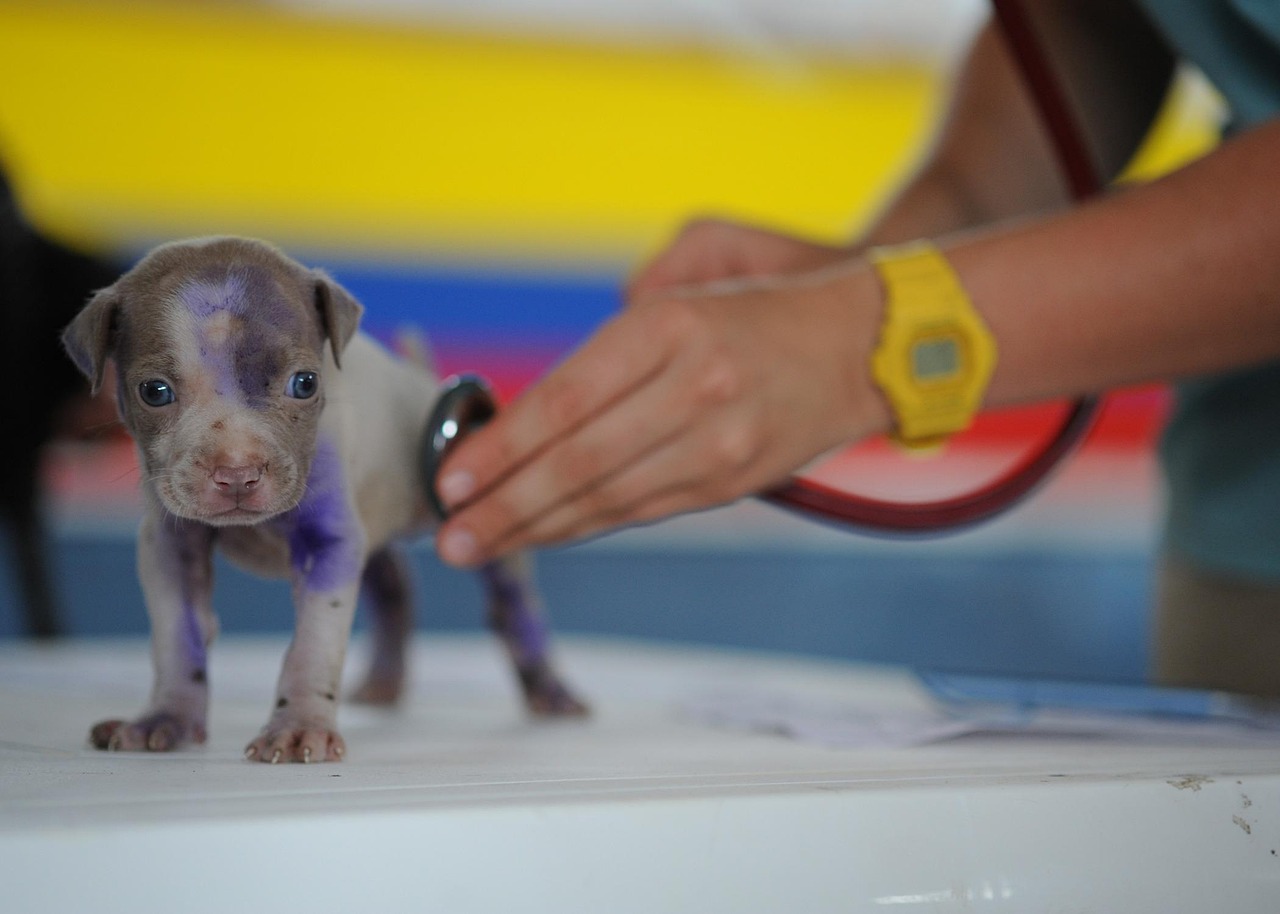

When to Seek Professional Help for Fearful Puppies
Puppies undergo various developmental stages, and one of the significant challenges they face is fear. This fear can manifest in different ways, such as anxiety towards new people, environments, or sounds. Understanding this phenomenon can be crucial for first-time dog owners, who might not recognize the signs of discomfort in their loyal companions. During the early weeks, puppies create fundamental associations, and if negative experiences occur, they may result in long-lasting behavioral issues. It’s important to acknowledge that some fear responses are normal; however, they require monitoring and management. If a puppy’s fear seems excessive or is causing them distress, intervention may be necessary. Early signs of distress include hiding, excessive barking, or refusing to engage with humans or other dogs. Getting acquainted with your puppy’s unique traits can significantly help in providing a safe environment. In cases where fear is debilitating, consulting a professional, such as a veterinarian or a certified dog trainer, becomes essential to guide proper training techniques and behavioral therapy. Addressing fears promptly can enhance your puppy’s quality of life and ensure they grow into well-rounded adult dogs.
Understanding Fear Periods
Fear periods typically occur at specific developmental milestones, and they can be unsettling for both the puppy and their owners. During these crucial phases, a puppy may regress in terms of social skills, showing reluctance to explore. As they encounter new experiences, associating them either positively or negatively can shape their future behavior profoundly. Most puppies experience fear periods around eight to eleven weeks of age and again at around six months. Throughout these times, environmental factors play a significant role in how well a puppy copes with challenges. Positive interactions with different stimuli—like friendly encounters with other dogs and humans, alongside exposure to normal household noises—can assist in forming robust coping mechanisms. Negative exposures—like a loud crash or aggressive dog encounter—may lead to anxiety and phobias. Any signs of fear during these periods should not be ignored, as the ramifications of unaddressed fears can last a lifetime. A strong foundation supported by consistent, positive reinforcement training and exposure will facilitate a gradual acclimatization to a wider world.
While all puppies exhibit fear at times, distinguishing between normal fear and extreme fear can be challenging. An appropriate response depends on understanding your puppy’s behavior and energy levels. In typical situations, a few moments of hesitation are normal, but when fear leads to uncontrollable stress, it merits closer attention. Observable signs indicating a need for professional help include excessive avoidance behavior, trembling, or panic reactions. These symptoms signal that the puppy may have had a negative experience that requires addressing through smooth, gradual exposure to the associated environment. Creating a safe and predictable routine can help alleviate some fears, but if these techniques continue to fall short, it may be time to consider enlisting a dog behavior expert. Training may involve desensitization, which is a systematic way of exposing the scared puppy to their fears at a manageable level while providing positive reinforcement. Additionally, engaging professional trainers with experience in canine psychology can aid in recognizing subtle cues your puppy exhibits, aiding both in training and reducing anxiety toward specific stimuli or scenarios.
Recognizing Signs of Fear in Puppies
A puppy’s body language often serves as the clearest indicator of how they are feeling. When they exhibit submissive behaviors like lowering their bodies, tucking their tails, and avoiding eye contact, these can be alarms signaling fear or anxiety. Other signs might include excessive barking, chewing, or even refusing treats. Understanding these cues is paramount in guiding your puppy during times of distress. Paying attention to your puppy’s responses in different situations aids in crafting a supportive environment tailored to their needs. Creating a safe space they can retreat to when scared may foster confidence over time. Consistency is key; maintaining a calm demeanor during stress-inducing situations can reassure your puppy, while sudden outbursts or negative reactions may inadvertently exacerbate their fears. Associating fearful experiences with positive reinforcements can counterbalance the distress. If excessive fearful reactions arise in various environments, fostering patient and gradual exposure becomes essential. It’s highly advisable to observe patterns in their behavior, as early detection and understanding of fear can be vital steps in promoting healthy growth and development.
Puppies thrive on praise and positive reinforcement, flowing naturally into behavioral modifications strategies. Using treats, toys, and games can positively reshape fearful strategies over time. However, it’s essential to remain cautious, as missteps can deepen fears rather than alleviate them. Foundation training should include patience, which builds a trusting relationship between the puppy and its owner. Owners must ensure the training sessions are short and engaging, allowing accomplishments to shine and potential frustrations to subside. Gradually introduce your puppy to more complex challenges, rewarding them for each successful interaction with what frightens them. Creating a routine supervised playtime with other friendly, well-socialized dogs can encourage learning and adaptation. Remember that fears developed during sensitive growth periods require a careful approach because one negative experience can lead to prolonged anxiety. Continuing to provide a supportive atmosphere should involve regular check-ins and adapt as needed. If problems persist, the importance of professional assistance becomes increasingly clear. Trainers specializing in fear-related challenges can help work through these issues, benefiting both your puppy and your relationship moving forward.
Consulting Professionals
Identifying when to enlist the help of professionals can be essential in ensuring your puppy’s well-being. If you notice signs of persistent fear lasting beyond typical fear periods, seeking assistance may become necessary to avoid long-term behaviors developing. A veterinarian will conduct assessments to rule out any health issues, while professional trainers can offer behavioral strategies tailored to your puppy’s unique challenges. They can assess the specific fears influencing your puppy’s behavior, working towards a customized action plan. Regular sessions will involve guidance focusing on positive reinforcement rather than punishment to maintain trust. Utilizing gradual desensitization techniques will allow your puppy to regain confidence in a nurturing setting, essential for behavior modification. Experience with different puppies facing extreme anxiety can provide professional trainers with invaluable insights on progressing slowly can help alleviate some of the stress. Professional evaluation skills become essential in tailoring strategies suited specifically to your dog’s needs. Addressing fear adequately long before it develops into avoidance behavior will increase a puppy’s comfort and enable a seamless transition into adulthood while reinforcing a strong bond with their owners.
In conclusion, managing fear during puppy development is compelling yet daunting. Observing your puppy is crucial to correctly interpreting their ranges of emotion. Understanding unusual behaviors will help gauge their fear levels and implement the necessary changes in training methods. Owners should remain vigilant and proactive throughout their puppy’s early life by providing a safe and enjoyable environment. Establishing a structured setting will allow growth and build self-esteem, vastly decreasing anxiety’s potential hold. By using gradual exposure to fears along with positive reinforcements, measurable progress is achievable with time and patience. Additionally, recognizing fear signs and behaviors early on can prevent complications arising from undealt fears developing later. Consulting with professionals can fill in knowledge gaps that reinforce owner-directed strategies. With commitment to understanding their experience, every puppy can grow into a well-adjusted dog, equipped to handle various environments. Remember, nurturing the emotional landscape of a puppy is as crucial as physical training. A little expert help can make all the difference, ensuring a happier future for both puppy and owner.
Ultimately, while the journey of overcoming fear may take time and consistent effort, it can become gratifying for both the puppy and the owner if approached correctly. The importance of fostering a loving environment cannot be overstated, as this encourages better coping mechanisms and provides comfort. Owners should aim to educate themselves continually, staying informed on dog psychology to understand their furry friends better. Empathetic training practices create connections and enhance quality interactions while reducing anxiety. Regular exercise and mental stimulation will also translate into improved mood, positively impacting fear responses. Building resilience through consistency, care, and understanding will flourish. The bond formed during this period significantly influences a dog’s approach to life’s challenges in adulthood. In addition, early action is an investment in a dog’s future temperament, establishing long-term relationships that uplift and empower the pet. Consider becoming actively involved in local training classes to network with other owners combating similar issues, providing the support needed to reinforce and share experiences. Every success, no matter how small, fosters emotional confidence within the puppy, making the overall experience an enriching journey for all involved.