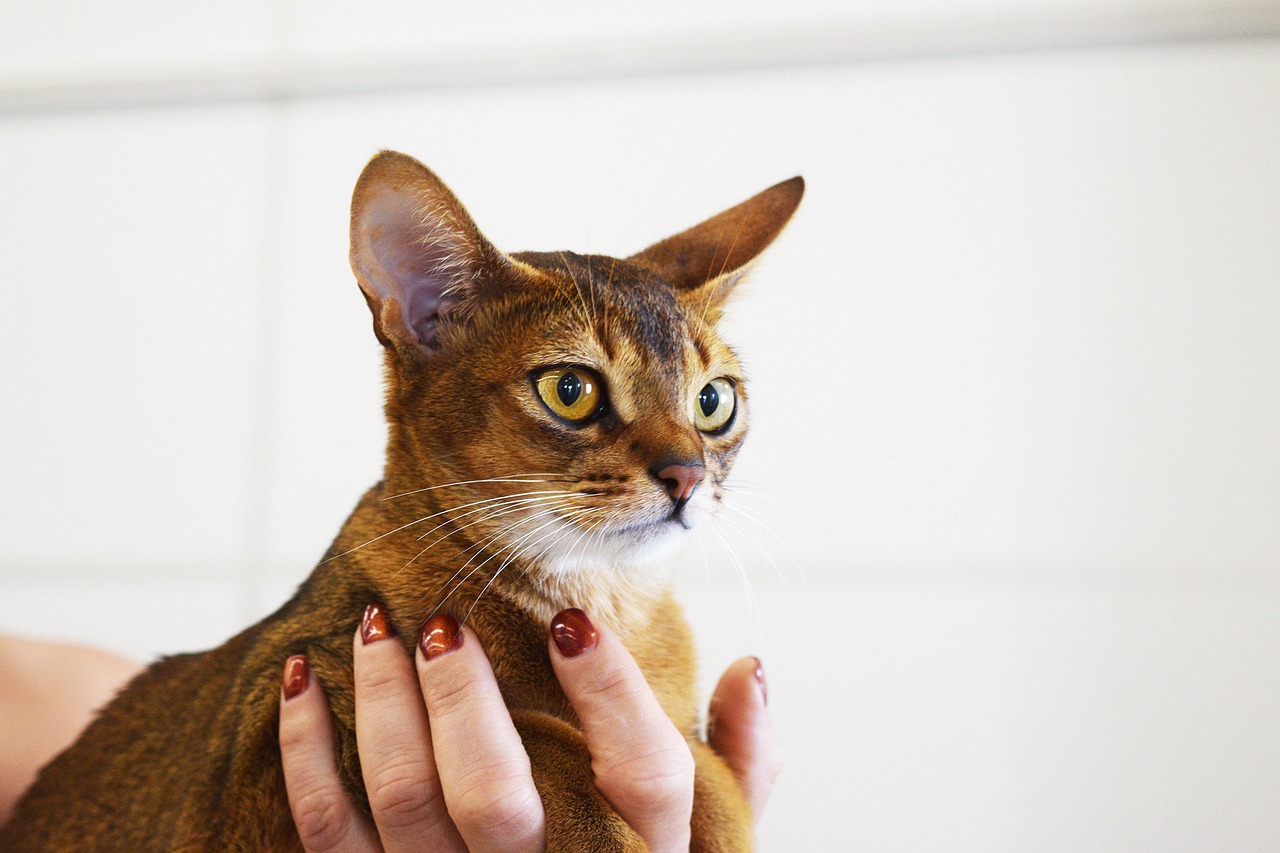

Abyssinian Cats: Myths and Facts
Abyssinian cats are one of the oldest known breeds, steeped in mystery and elegance. Their unique ticked coat and vibrant personality make them highly sought after as pets. Many myths surround this breed, with one of the most common being their origin. While some believe they are from ancient Egypt due to their resemblance to cats in hieroglyphics, it’s more likely they evolved in Ethiopia. Abyssinians are known for their playful and affectionate nature, thriving on human interaction. Unlike some cats that prefer solitude, Abyssinians seek companionship and engagement, often following their owners around the house. Their intelligence is another attractive trait; they are quick learners and can be trained to perform tricks. In contrast to the laid-back nature of some felines, these cats are highly active, requiring playtime and stimulation to keep them happy. An ideal home for an Abyssinian is one where they can have space to explore. With their love of climbing and perching, providing cat trees can enrich their environment. These unique attributes make them a beloved choice in the cat-loving community.
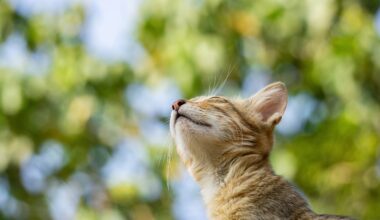
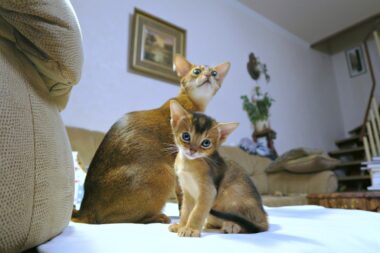
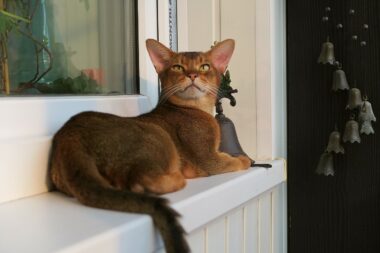
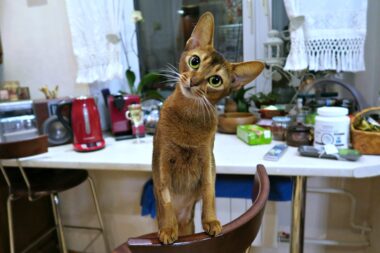
Abyssinian cats have a striking appearance, often drawing attention because of their short, fine coat, which feels almost like silk. This characteristic comes from their unique agouti gene, resulting in each hair displaying dark and light bands. The colors accepted in the breed standard are ruddy, red, blue, and fawn. Their almond-shaped eyes, which appear in shades of amber or green, contribute to their captivating expression. Abyssinians possess a muscular and agile body structure, reflecting their active nature. Uniquely, their ears are broad and pointed, making them appear alert and awake. Many owners find grooming simple due to their short hair, as it requires very little maintenance compared to other breeds. Regular brushing is helpful to reduce shedding and keep the coat looking its best. Despite their low grooming needs, they still shed seasonally. Along with their beauty comes a spirited personality. Abyssinians are often playful and energetic, thriving on interactive play. They require mental stimulation, making toys or puzzle feeders an essential part of their lives. This combination of beauty and intelligence makes them both a joy and a challenge for their owners, creating a fulfilling companionship.
Socialization is a crucial aspect of raising Abyssinian cats. They enjoy human company and can become unhappy if left alone for long periods. This breed flourishes in lively environments, making them great companions for families or active individuals. Early socialization helps them grow into well-adjusted adults that interact well with children and other pets. Introducing different sounds, people, and experiences increases their adaptability. Abyssinians often bond closely with their families, developing strong emotional attachments. They express affection in various ways, including purring, nudging, and sitting on laps. Their intelligence also makes them curious explorers, and they love to investigate their environment. As natural climbers, discreet shelves or cat trees encourage safe exploration heights. Abyssinians possess strong hunting instincts, and providing multiple play options can help satisfy them. Toys that mimic prey, such as feather wands or small balls, are particularly enticing. Keeping them engaged not only provides physical exercise but also mentally stimulates them. An enriched environment ensures they remain healthy and happy. If you are considering adopting an Abyssinian, be prepared for an engaging, interactive, and affectionate journey with these delightful creatures.
Health Considerations for Abyssinian Cats
Like all breeds, Abyssinians come with specific health considerations. Common concerns include dental issues, urinary tract problems, and allergies. Regular veterinary check-ups are crucial in keeping them healthy as they are prone to certain genetic conditions. In particular, they can be predisposed to gingivitis, making oral care vital. Providing dental treats and regular brushing helps mitigate these issues. Additionally, maintaining a balanced diet supports overall wellbeing. Since Abyssinians are active and energetic, feeding them high-quality cat food that meets their protein needs is essential. Urinary health should also be monitored; therefore, ensure they have access to fresh water and a balanced diet to prevent crystal formation. They are generally good at managing their weight, but their playful nature can lead to overeating if not monitored. Regular exercise is crucial to counteract any weight gain and to maintain their health. Aside from physical issues, mental health is equally vital. Stress and anxiety can manifest in various ways if they do not feel secure. Creating a nurturing environment alleviates fears and fosters their emotional well-being. An owner’s responsibility extends beyond merely feeding to ensuring a happy, fulfilled life.
Understanding the Abyssinian cat dinner routine is essential for their health. They require a balanced diet proportionate to their age, size, and activity level. Feeding them high-quality kibble or wet food facilitates proper nutrition. Some owners prefer to provide raw diets, but caution and research are recommended. Always check for nutritional content to verify it meets their needs. Treats are beneficial for training and bonding but should remain in moderation. Hydration is equally crucial; cats naturally have low thirst drives but need constant access to clean water. Offering a fountain can entice them to drink, thereby preventing urinary issues. It’s common for Abyssinians to develop picky eating habits; observing their preferences can help ensure they get the nutrients they require. Changing foods suddenly can upset their tummy, so any dietary switch should be gradual. Consulting a veterinarian is beneficial when establishing an optimal diet plan. Regular weight monitoring helps identify any issues early this also ensures they are active and healthy. Maintaining a proper diet highlights the significance of responsibility in owning an Abyssinian. Their unique needs reflect their distinct and vibrant personality, allowing them to thrive.
Caring for Your Abyssinian Cat
Caring for an Abyssinian requires understanding their dynamic personality and unique needs. Regular physical activity is crucial to keeping them healthy and happy. Owners should provide a variety of toys and games to promote engagement and exercise. Playtime should include interactive options, such as feather wands or laser pointers. Their playful demeanor often encourages mental stimulation and challenges to keep their minds sharp. Providing scratching posts can save furniture and allow them to satisfy instincts. Moreover, incorporating climbing structures enriches their environment by stimulating exploration. Routine veterinary check-ups and vaccinations are critical to preventing potential health issues. Regular grooming helps maintain their beautiful coat, and many owners find that brushing once a week suffices. Bathing isn’t generally necessary, but occasional spot cleaning is invaluable, especially for busy or playful cats. Additionally, a secure and loving environment plays a major role in happiness. Offer plenty of affection, along with space for personal comfort. Incorporating all these elements fosters a nurturing environment ensuring they lead a satisfying life, creating wonderful memories in return. Embracing Abyssinians means committing to their needs for health, happiness, and companionship.
Finally, Abyssinian cats thrive on companionship, and it’s ideal to introduce them to other pets early. Often, they adapt well to life with dogs or other cats. Close interactions lead to enjoyable and harmonious households. If considering a second pet, ensure introductions are slow and monitored to promote smooth transitions. Abyssinians socialize well; their friendly demeanor often facilitates bonding between animals. When engaging with other pets, monitoring body language becomes vital. Understanding individual personalities aids in developing connections that enhance family dynamics. Furthermore, Abyssinians enjoy human interaction, making them ideal companions for children. Their playful yet gentle nature allows them to engage safely with younger family members. Positive experiences can lead to strong family bonds, creating an emotionally rich environment. Additionally, participating in activities as a family strengthens human relationships with the Abyssinian. Ultimately, their adaptable nature brings joy to households, forming lasting memories. Owning an Abyssinian mandates an understanding of their social needs. Engaging actively with both human and animal family members fosters a loving and supportive home environment. Their compelling presence enriches lives, embodying the beauty and joy these remarkable cats offer every day.
Abyssinian cats are one of the oldest known breeds, steeped in mystery and elegance. Their unique ticked coat and vibrant personality make them highly sought after as pets. Many myths surround this breed, with one of the most common being their origin. While some believe they are from ancient Egypt due to their resemblance to cats in hieroglyphics, it’s more likely they evolved in Ethiopia. Abyssinians are known for their playful and affectionate nature, thriving on human interaction. Unlike some cats that prefer solitude, Abyssinians seek companionship and engagement, often following their owners around the house. Their intelligence is another attractive trait; they are quick learners and can be trained to perform tricks. In contrast to the laid-back nature of some felines, these cats are highly active, requiring playtime and stimulation to keep them happy. An ideal home for an Abyssinian is one where they can have space to explore. With their love of climbing and perching, providing cat trees can enrich their environment. These unique attributes make them a beloved choice in the cat-loving community.