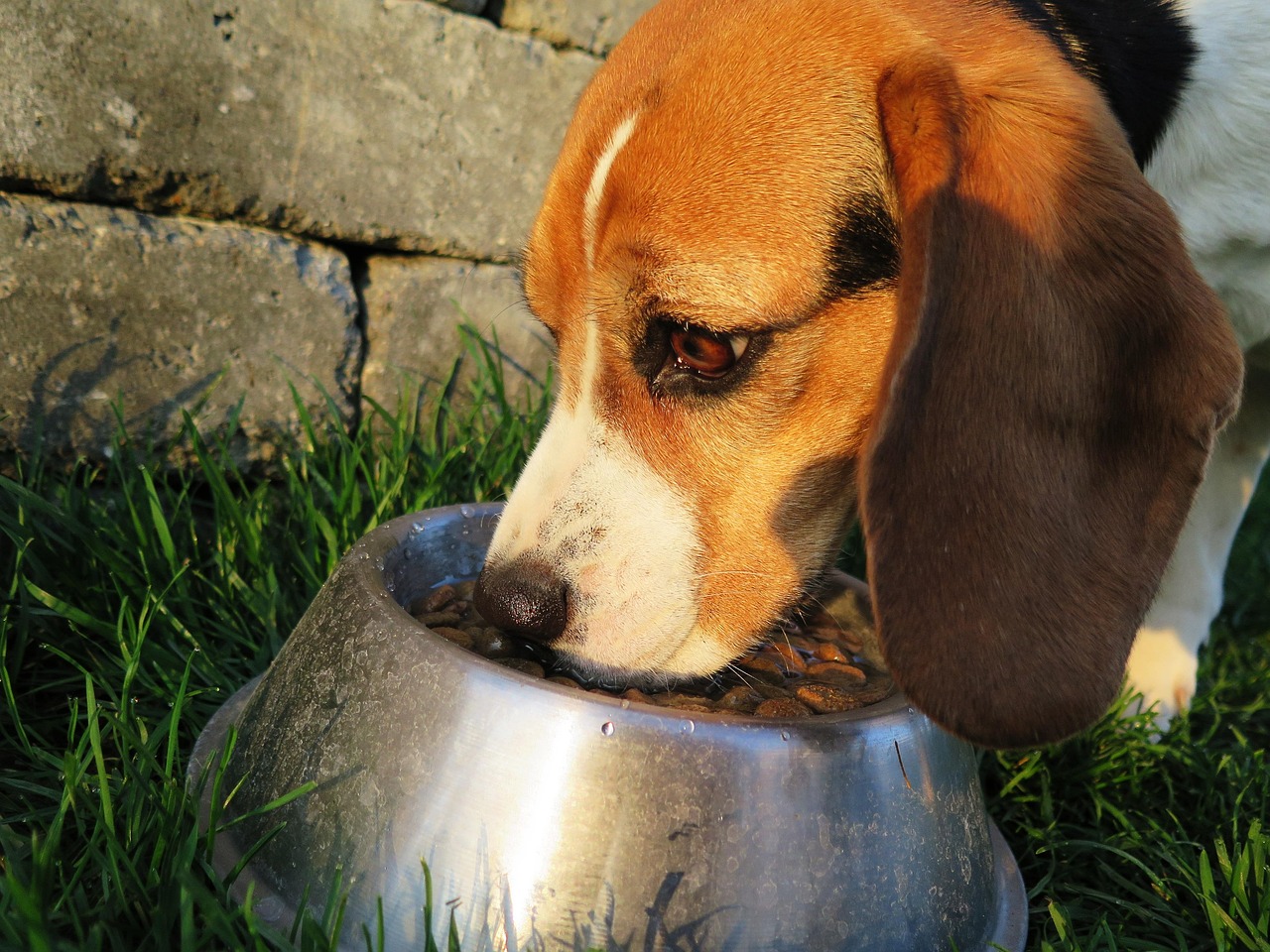

Choosing the Right Organic Dog Food for Different Dog Breeds
Dog nutrition requires careful consideration, especially when selecting organic food tailored for specific breeds. Organic dog food has become increasingly popular due to its high-quality ingredients that promote overall health. For smaller breeds, organic food should prioritize protein sources such as chicken or turkey, complemented by whole grains or vegetables. This ensures they receive adequate nutrients. Likewise, medium-sized breeds benefit from a balanced diet rich in proteins and fibers. In contrast, larger dog breeds require food that caters to their unique metabolic needs and joint health, making organic ingredients essential. Understanding the nutritional needs of various breeds helps owners choose suitable organic food options. Look for products labeled ‘certified organic’ to ensure quality and contents. Moreover, always introduce new foods gradually to prevent digestive issues. Incorporating variety in an organic diet can enhance flavor and nutritional intake while keeping your dog engaged during meals. Thus, investing in high-quality organic dog food leads to healthier pets, reducing vet visits and enhancing life quality, highlighting the importance of understanding their nutritional needs in keeping them happy and active.
Understanding Nutritional Needs
Each dog breed has specific nutritional requirements that can vary significantly. Larger breeds, like Great Danes and Mastiffs, often have different protein and fat needs compared to smaller breeds, such as Chihuahuas or Pomeranians. For optimal growth, large breed puppies require carefully balanced food to prevent conditions like hip dysplasia. On the other hand, small breed puppies thrive on energy-dense organic food packed with vital nutrients for their fast growth. Additionally, adjusting the ingredients based on the dog’s age is essential. Senior dogs might require a diet lower in calories yet high in fiber to support digestion. Choosing organic food made with wholesome ingredients ensures they receive necessary vitamins and minerals. Owners should inspect labels closely, looking for real meat as the first ingredient and minimal fillers. It’s vital to consult a veterinarian for tailored dietary advice, especially if your dog has special health concerns or allergies. Wet and dry food can both be organic; thus, discussions about the right mix can enhance feeding routines, contributing to an overall healthy lifestyle for all breeds.
When exploring organic dog food, it’s essential to understand the benefits it offers over conventional options. Organic food is free from artificial additives, preservatives, and harmful chemicals, making it safer for pets. Natural ingredients boost the nutritional profile, ensuring dogs receive fresh, wholesome nutrients in the right proportions. Additionally, choosing organic ingredients can improve your dog’s coat and skin health, often detecting visible improvements within days. Moreover, many organic brands offer grain-free options, which are beneficial for dogs prone to allergies or digestive issues. Allergies can affect breeds like Bulldogs or Labradors significantly, making organic brands that emphasize hypoallergenic options particularly advantageous. Through time, you’ll witness improved vitality and energy levels in your dogs, showcasing the positive impacts of better nutrition. Apart from physical improvements, organic dog food also supports sustainable farming practices, allowing consumers to support eco-friendly businesses. This aspect of organic food appeals particularly to eco-conscious pet owners who care about the environment. When selecting organic food, remember to consider some brands that source their ingredients responsibly, ensuring both health and sustainability are prioritized.
Transitioning to Organic
Transitioning your dog to organic food requires patience and care to avoid digestive disturbances. Begin by gradually merging organic food with their regular diet. Start with a small amount of organic food mixed with what they currently eat; gradually increase the organic portion over several days or weeks. This gradual adjustment minimizes the risks of gastrointestinal issues. Monitor your dog’s response during this transition, ensuring they remain comfortable and happy with their new food. It’s crucial to keep an eye out for any reactions, particularly if they have specific sensitivities. Always consult your vet if uncertain about any changes to the diet. While some breeds may adapt quickly, others might take time, as they develop preferences based on taste and texture. Additionally, ensure clean, fresh water complements their diet to support hydration. The first month is often the most critical; significant changes usually appear during this duration. Sometimes, they might be hesitant about new flavors or textures, so offering a range of organic products can help find their favorites, enhancing their meal experience.
Another vital aspect of organic dog food selection is examining the labels and ingredient lists. High-quality organic dog food should prominently feature real meat as the first ingredient, ensuring your dog receives essential protein. Avoid products that list vague terms like ‘meat meal’ or ‘animal by-product.’ Instead, look for detailed information about meat sources, ensuring they’re recognizable and ethically sourced. An ideal organic diet often contains wholesome grains like brown rice or oats, as well as a variety of vegetables like carrots and peas, contributing to a balanced diet full of vitamins and minerals. In addition, many organic foods incorporate beneficial fats from sources like fish oil. These fats promote healthy skin and a shiny coat. Consider options that include omega-3 and omega-6 fatty acids, essential for maintaining optimal health. Finally, don’t overlook the importance of flavor; your dog deserves meals they enjoy. Testing different organic brands can help you find one your dog loves while ensuring they benefit from high-quality nutrition tailored to maintaining their health and vitality.
Popular Organic Dog Food Brands
Numerous brands provide exceptional organic dog food that caters to various breed needs. Some widely recognized brands include Wellness, Blue Buffalo, and Taste of the Wild. Wellness offers a range of organic products emphasizing natural ingredients and balanced nutrition for dogs of all sizes. Their formulas benefit from a blend of protein, whole grains, and antioxidants. Another popular choice is Blue Buffalo, known for its comprehensive variety of organic and grain-free options. They prioritize high-quality meat sources, guaranteeing that your dog enjoys flavorful meals while receiving essential nutrition. Similarly, Taste of the Wild focuses on high-protein diets inspired by natural canine ancestry. Their recipes often feature unique proteins such as roasted bison or roasted venison, appealing to food-savvy dogs. When selecting a brand, consider your dog’s dietary needs, breed size, and any existing health issues. Reading customer reviews can also provide insights into how well certain foods have worked for others. Ultimately, choosing a reputable brand ensures you meet your dog’s nutritional requirements while keeping their meals enjoyable and delicious.
When selecting organic dog food, beyond the brand, consider the dog’s specific age, activity level, and any health issues. Puppies, active adults, and elderly dogs require different formulations to support their unique needs. Look for puppy-specific food rich in protein and growth-enhancing nutrients. For adult dogs, maintenance formulas often balance protein and fiber, while senior formulations may contain added joint support. Understanding these fundamental differences is vital when transitioning to organic diets, as improper nutrition can affect overall health. Some breeds are more prone to certain health issues, so selecting organic food tailored to these conditions can help. For example, a breed like Dachshunds may benefit from low-calorie organic options to manage weight, while active breeds like Border Collies may require higher calorie counts to support their energy levels. When you invest the time to research and choose an appropriate organic diet, it pays off in your dog’s health and happiness. Beyond dietary adjustments, you can enhance their life quality by ensuring they receive plenty of exercises and mental stimulation, creating a well-rounded approach to their overall well-being.
Conclusion
Investing in organic dog food for your furry companion reflects a commitment to their health and well-being. Offering high-quality nutrients tailored to individual breed needs leads to healthier, happier pets. The organic food selection process shouldn’t be rushed; take the time to explore various options and align them with your dog’s preferences and requirements. With a wide variety of brands available, you’re sure to find one that meets your expectations. Be diligent in reading ingredient labels, ensuring clean and clear sourcing of quality proteins and wholesome components. A well-balanced organic diet positively impacts your dog’s health, providing energy and vitality as they age. Alongside a good diet, encourage plenty of physical activity and mental stimulation to maintain overall health. Remember that dogs thrive on routine, so establishing consistent feeding patterns can further enhance their well-being. Whenever transitioning to organic food, patience and observation are critical. Your dog’s health journey is a rewarding experience that fosters a strong bond between you both. By making informed choices today, you invest in a long and fulfilling life filled with adventures and companionship.