
From Kitten to Hunter: The Development of Hunting Skills
The journey from a playful kitten to a skilled hunter is fascinating and complex. Kittens are born with innate hunting instincts, yet the actual skill set requires maturation and learning through play. In their early weeks, they exhibit behaviors that are already geared toward hunting, such as pouncing and chasing after moving objects. This play is not merely for fun; it serves as crucial training. Through interactions with their environment and siblings, they refine their abilities, learning important techniques of stealth and pursuit. Observations indicate that even solo playtime is vital for skill development, as a kitten learns how to stalk and ambush imaginary prey. Developmentally, kittens will engage in play-fighting, simulating hunting outcomes that sharpen their reflexes. As they grow older, their innate talents merge with skills gained through practice and observation. The cooperative play amongst littermates fosters competitive skills important for a solitary life later on. Therefore, understanding this early behavior helps in appreciating how essential these play activities are for their ultimate role as hunters.
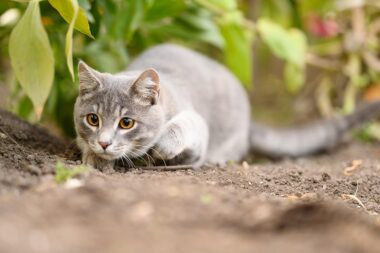
The next phase in a kitten’s development involves understanding their territory. Each cat will explore its surroundings, incorporating obstacles, environments, and hiding spots. Cats are natural explorers, driven by their instincts. During this exploration, they conduct practice hunts, testing their learned skills. They will approach rolling toys or rustling items carefully, sure to embody stealth. This behavior mimics predatory stalking in the wild, where a cat’s ability to move silently is crucial for survival. The environment shapes the strengths and weaknesses of individual cats, showcasing the importance of diverse locations for hunting practice. Whether in gardens or indoors, every corner is a potential hunting ground. Through exploration, kittens develop their instincts and hone their strategies to capture prey. Furthermore, the scale of discovery allows for a richer understanding of spatial awareness, an important aspect of hunting. As they play and refine their instincts, they begin demonstrating differing levels of hunting proficiency. It’s essential for owners to recognize learning moments while kittens engage with their environment. Early exposure to various objects and activities will cater to their developing instincts.
The Role of Play in Skill Acquisition
Play is the critical catalyst that fuels a kitten’s instinctive hunting behaviors. During playtime, kittens practice their stalking methods and build confidence essential for the hunting process. Every pounce and chase is an opportunity for learning. Many studies suggest that the interplay of observation and imitation during these sessions allows kittens to prepare for future hunting scenarios. Engaging with siblings during play is where social skills flourish. They learn cooperative hunting techniques, sharing their victories and losses in mock battles. This cooperative learning mirrors the behaviors observed in adult felines when they hunt in packs. Different play styles contribute to each kitten’s development, emphasizing agility and speed. While kittens might seem to be entirely focused on catching a toy, their concentrated attention mimics the awareness needed in a real hunt. Owners should actively facilitate play by providing varied toys, such as feathers or balls, to deepen these skill sets. This intervention creates opportunities for learning while allowing the kitten to engage their natural instincts. Encouraging imaginative play will lead to a well-rounded hunter, significantly enhancing their abilities as they get older.
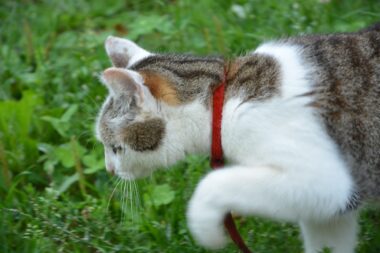
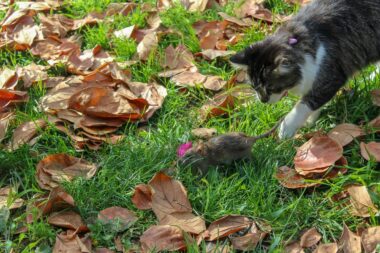
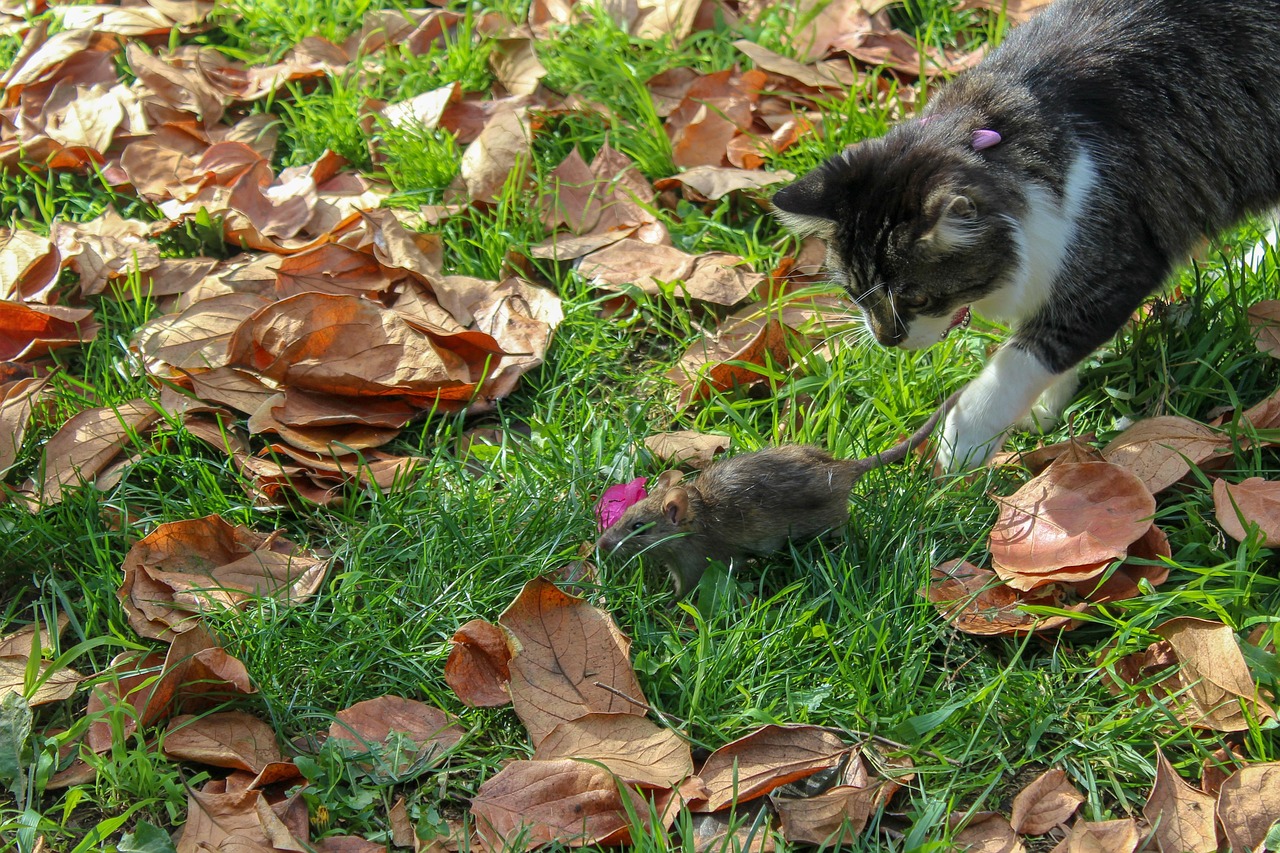
As kittens grow, the specific predatory behaviors become more evident. Kittens evolve their techniques from simple pouncing to a more refined stalking strategy. They start incorporating waiting and observing before they pounce on their ‘prey.’ This behavior demonstrates patience, a crucial component for being a successful hunter. Throughout the initial stages, they seem to prefer easy targets but soon learn to assess risks and strategize for better outcomes. Training transfer occurs when kittens apply their learned behaviors to new experiences, integrating exploration and discovery into their hunting repertoire. Observational learning plays a vital role; kittens watching older cats will often mimic their successful hunting techniques. This learning can occur during household interactions or while watching feral cats. As kittens begin to integrate these observations, they tend to develop a distinct style influenced by their surroundings and experiences. Each hunting session further enhances their timing, speed, and agility. This development phase highlights the importance of social structures and shared environments. Understanding these dynamics can help owners create enriching spaces for their cats, enabling optimal growth and skillset enhancement.
The Influence of Environment on Hunting Behavior
The environment is a significant factor shaping a cat’s hunting skills. A natural habitat full of sights, sounds, and smells will stir a cat’s curiosity and stimulate their ability to hunt. Enriched environments lead to higher success rates when hunting. Indoor cats particularly benefit from various setups that imitate natural terrains. This can include climbing surfaces, hiding spots, and stimulating toys that provoke predatory actions. Outdoor exploration, however, presents its unique challenges. Feral cats showcase hunting behaviors influenced by their immediate surroundings, adapting to hunt different species with varying strategies. Predatory instincts fine-tune based on local prey availability, demonstrating plasticity in their hunting methods. As they assess and adapt to changing environments, these abilities become ingrained. For owners, creating an environment that encourages exploration can indirectly enhance their cat’s hunting skills. Providing safe spaces, varied textures, tunnels, and even small games can replicate these necessary skills. These elements serve dual purposes—enhancing physical health while enabling mental stimulation, which is crucial for developing a well-rounded feline. A rich environment translates to a more adept hunter, making every interaction count toward skill enhancement.
As kittens transition from playful youth to accomplished hunters, their personalities and motivations become clearer. Some cats approach hunting as a competitive challenge, while others might do it solely out of instinctual necessity. This divergence may lead to observable differences in hunting prowess. Those motivated by competition may be more skillful and determined when hunting. Further, breeds may influence these characteristics; certain breeds possess greater predilection for hunting due to their lineage. Understanding these traits allows owners to tailor activities better suited for their cat. As hunting fosters physical and cognitive skills, recognizing these personality traits can cultivate deeper bonds between owners and their cats. Additionally, some cats might only hunt when bored, utilizing skills merely for entertainment rather than necessity. This variability underscores the need for owners to provide stimulating interactions. Engaging with toys, climbing structures, or interactive systems can provoke their inherent predatory nature. As this playful interaction is nurtured, cats can further develop their natural abilities. Understanding these diversities will enhance the human-feline relationship while transforming a playful kitten into a confident, skilled hunter.
The Importance of Early Socialization
Socialization during the early stages has profound implications on a cat’s hunting capabilities. When kittens engage with one another or with human beings, they cultivate a rapport that enriches their development and behavioral understanding. Through these exchanges, they develop confidence, learning to read social cues and respond correctly. Early socialization also exposes them to various situations and stimuli that facilitate adaptability, an essential skill for a proficient hunter. Observing as other cats navigate hunting situations, kittens comprehend the roles of caution, patience, and timing. These interactions provide a safe space for practicing their skills without the pressures of real-world predation. The attachment built during these formative stages ensures a lifetime of trust and security. Building cat-centric environments that encourage collective playtime is essential for capitalizing on these social dynamics. By facilitating positive experiences, owners can enhance the predatory skills of their kittens. Active environmental enrichment during these phases translates to long-term behavioral advantages. Kittens grow as not only skilled hunters but confident individuals capable of navigating their worlds effectively.
In conclusion, the transition from a playful kitten to a skilled hunter is a multi-faceted journey involving instinct development, environmental influence, and play. Kittens encapsulate innate abilities that blend naturally with learned hunting techniques through their growth. Owners play a vital role in this development, employing enriching environments, facilitating play, and socializing their pets. A nurturing approach fosters confidence and enhances hunting instincts, enabling optimal skill enhancement. Through interactive play, exploration, and social connections, kittens become adept at assessing risks, strategizing pursuits, and employing techniques that define effective hunting. Understanding these foundational behaviors provides insights on ways to support healthy development in cats. It is essential to recognize that breeding may influence behavior and proficiency, as different breeds possess inherent hunting tendencies. Ultimately, whether indoor or outdoor, a cat’s ability to hunt is deeply connected with their upbringing. By fostering their identities through structured play and engagement, we ensure their transformation into well-rounded hunters. This knowledge equips cat owners to enhance this vital skill set effectively. Helping kittens navigate their environments enriches their lives, enabling a harmonious coexistence between humans and their feline companions.