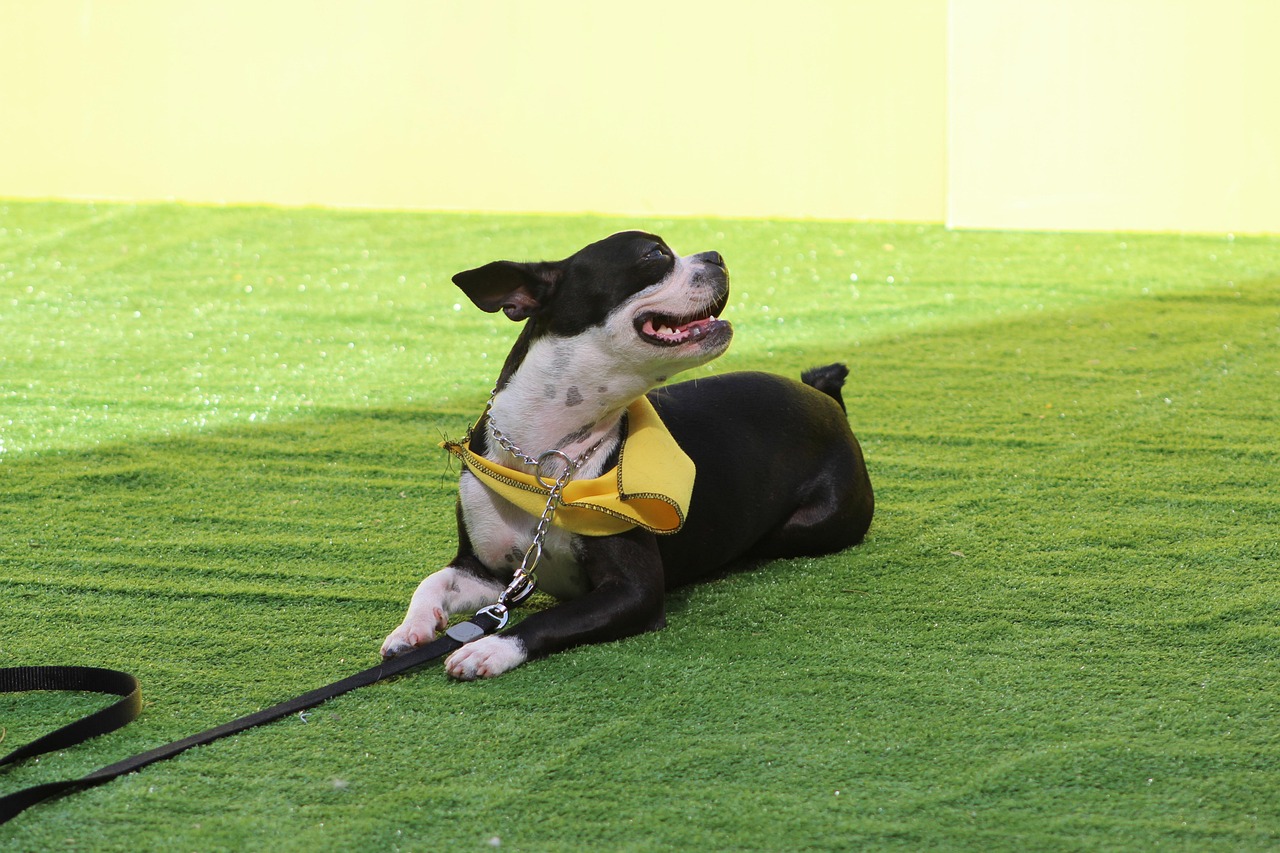

How to Teach Your Dog to Stay Calm on Command
Teaching your dog to stay calm on command is essential for their safety and your peace of mind. Calm behavior helps dogs manage their excitement and anxiety in various situations. It creates a relaxed environment for both pet and owner, which is beneficial for everyone involved. Start by choosing a quiet space free from distractions where you can focus entirely on your dog. Make sure your dog understands basic commands such as “sit” and “stay.” Being familiar with those commands sets a strong foundation for training. Ultimately, consistency plays a crucial role in ensuring that your dog learns how to associate the calm command with appropriate behavior. Use treats, affectionate words, or toys as motivation to reinforce their good behavior when they remain calm. Incorporating short training sessions into your routine will ensure that your dog becomes accustomed to the calm command without feeling overwhelmed. Remember that patience is key; allowing your dog to learn at their own pace will lead to a more successful and enjoyable experience for both of you. Get ready to embark on this rewarding journey together.
Before engaging in the training process, it is essential to establish a strong bond with your dog. A trusting relationship ensures your dog feels safe and secure during training. Use positive reinforcement methods to create a rewarding experience. Spend time with your dog through play, exercise, and quality interactions to strengthen your connection. When your dog feels comfortable, they are more likely to respond positively to your commands. Before starting the actual training, check that you have the right tools at your disposal. Treats, clickers, and a comfortable leash can make a difference in the training process. Engage with your dog in short sessions, allowing their attention to stay focused. If they become distracted or bored, take a break and come back later. Timing is essential; reward your dog immediately after they exhibit calming behavior when instructed. This association helps them understand the connection between the command and their actions. Remember to remain calm yourself, as any frustration you display can negatively impact your dog’s learning process. Use your own body language to convey calmness through relaxed posture and deep breathing.
Fostering Calmness in Your Dog
Fostering an environment of calmness in your dog’s daily life is just as important as formal training sessions. Create a designated quiet space where your dog can retreat to feel safe and secure when needed. This can be a cozy bed or a tranquil corner in your home. Use calming aids such as gentle music or aromatherapy specifically designed for pets, helping eliminate anxiety in your dog. Furthermore, establishing a consistent daily routine can significantly reduce stress for your dog. Routines create predictability, which can lead to a more relaxed pet. In addition, incorporate regular physical activities to burn off excess energy. Using interactive toys during playtime also provides mental stimulation, contributing to a calmer demeanor overall. Alongside physical exercise, mental exercises are equally critical. Teach your dog tricks or engage them in scent games to keep them thinking and focused. This mental engagement helps tire your dog out, allowing them to settle better. Once your dog has developed a strong foundation in calming behavior, introduce various distractions gradually. This gradual exposure can help them learn to maintain their calmness in diverse and challenging situations.
Utilizing commands effectively during the training process is vital for achieving success with your dog. When you say “calm” or a similar command, make sure you communicate clearly and confidently. Use a firm, yet gentle, tone of voice, allowing your dog to recognize the authority behind the command. Repeat the command consistently during the training process, ensuring the same word is always associated with the desired calm behavior. If your dog begins to act out or exhibit unwanted behaviors, calmly redirect their attention back to you. In these moments, using treats can help reinforce calmness, encouraging your dog to remain focused despite distractions. To further solidify the command, introduce various scenarios where your dog may need to stay calm, such as during visits to busy parks or the vet. Gradually increase the difficulty level by exposing your dog to different environments while practicing calmness in their behavior. With patience and persistence, your dog will learn to remain focused amidst distractions, translating their training into everyday situations. This skill will ultimately allow for more enjoyable outings and fewer unwanted behaviors.
Common Challenges in Teaching Calmness
Teaching your dog to stay calm on command may present challenges along the way. Every dog is unique; factors such as age, temperament, and previous experiences can impact their learning process. Young and energetic dogs may struggle initially to grasp the concept of remaining calm, necessitating shorter training sessions. Older dogs can also showcase stubbornness, making it essential to be patient and accommodating. Stress factors, triggering various behaviors in dogs, must also be addressed. Identify these stressors and help your dog gradually adjust to them. Focus on using positive reinforcement consistently to prepare your dog for training challenges. If you face difficulties, consider seeking assistance from a professional dog trainer, who may provide valuable techniques to ease the training process. In addition, be aware of your own emotions during the training process; your feelings should remain positive and confident. Giving in to frustration or impatience can negatively influence your dog’s response to training. Celebrate small progress to encourage learning momentum; this includes congratulating your dog for every instance of calm behavior, no matter how minor it seems. Emphasizing their positive actions is vital!
Beyond training commands, strategies for bringing calmness into your dog’s life can complement learning efforts. Practice daily relaxation exercises with your dog to cultivate tranquility. Techniques such as deep breathing, gentle touch, or guided imagery can greatly enhance their comfort level. Additionally, consider enrolling in pet yoga classes, which promote relaxation and create bonding opportunities. Regular outings to calming locations outdoors can also serve as both exercise and a chance to practice mind relaxation. Nature walks can be particularly soothing for both you and your dog. Gradually introduce your dog to distractions and stimuli as they master the calm command to ensure they develop resilience in managing these challenges. It’s essential to practice patience throughout the training journey. Development of the ability to remain calm on command may require extended time and consistent efforts. Focus on gradual improvements, understanding that progress will occur at different paces depending on your dog’s personality. One effective strategy is to maintain a journal detailing your dog’s progress. Observing the milestones will be reinforcing for both your training and overall relationship.
Conclusion: Embracing Calmness Together
Teaching your dog to stay calm on command is more than just a training achievement; it’s a journey towards building a strong bond with your furry companion. Throughout this training process, you and your dog have the opportunity to learn together, fostering trust and communication. Use the techniques mentioned above, apply consistent practice, and adapt your approach to your dog’s personality and needs. Celebrate the small victories and use setbacks as learning experiences. Ultimately, these moments will lead you toward a deeper understanding of your dog’s behavior and needs. With time and effort, your dog will successfully learn to remain calm in various situations—making outings more enjoyable and reducing stress for both of you. Remember, patience is crucial; every dog learns at their own pace, so avoid rushing the process. As you navigate each phase of training, ensure that you provide plenty of love and encouragement, reinforcing safe spaces in your home and daily routines. By embracing the journey together, you will cultivate a serene atmosphere promoting calmness and connection for both you and your beloved pet.
Regularly assess your dog’s progress in learning the calm command. Document their successes meticulously, enabling identification of patterns that warrant improvement. Consistent practice will lead to better outcomes. Offer praise and rewards that resonate with your dog’s preferences; this reinforces positive behavior over time. Focus on treating moments of calm with equal importance as moments of learning. Make every training session enjoyable and relaxed, which can encourage better learning experiences for your pet. Seek opportunities to practice in diverse environments to ensure your dog can perform under varying conditions, enhancing their adaptability. Keep the sessions short to maintain their attention. Finally, remember to enjoy this journey together. Your dedication and mindfulness in teaching your dog how to stay calm on command will not only enhance their quality of life but will also reinforce the bond you share, creating lasting memories for both of you. In the end, your hard work will pay off, leading to a more harmonious household and a happier, calmer dog. With patience and persistence, you’ll find that your canine companion is not only capable of understanding commands but also will flourish in their emotional well-being.