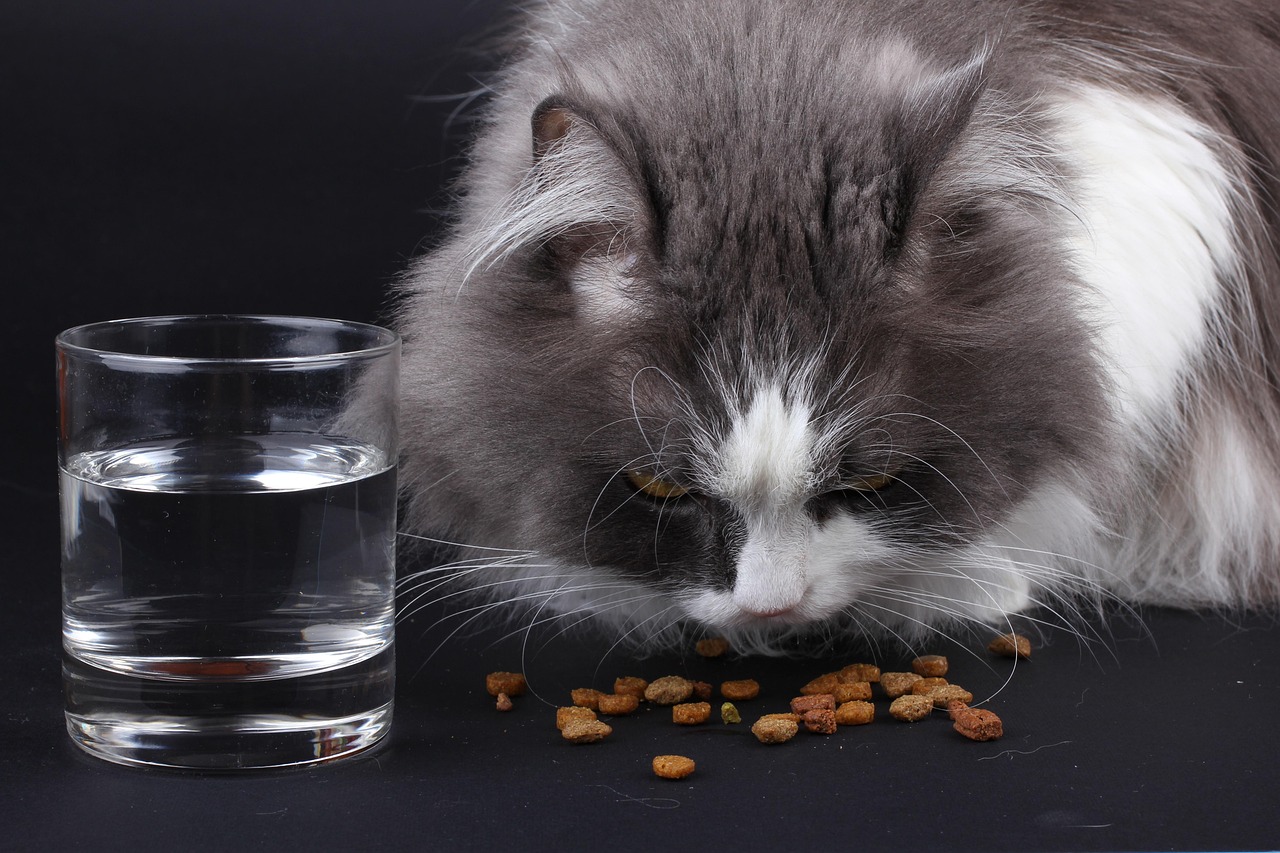

Portion Control and Feeding Schedules for Cats
Understanding portion control is essential for new cat owners. Proper nutrition equates to the healthy development of your feline friend. First, it’s crucial to know the right amounts of food your cat should consume. This can vary based on their age, weight, and activity level. An adult cat, for example, typically requires around 20 calories per pound of body weight each day. Always check with your veterinarian to tailor these recommendations specifically for your cat. Utilizing measuring cups can assist you in accurately portioning food. Avoid free-feeding, as it could lead to obesity. Feeding your cat at scheduled times is a better approach. However, it’s also important to consider the type of food you are providing. Dry food, wet food, or a mix of both can impact nutrition and hydration. Consulting with a vet can provide insights on your cat’s dietary needs and preferences. Keep in mind that a balanced diet should also include essential nutrients like proteins, fats, vitamins, and minerals. One common mistake is to assume all cat foods are equal. Always read labels to confirm the quality of your cat’s diet.
Cats are known for their independence and picky eating habits. One crucial aspect of caring for them lies in establishing a proper feeding schedule. Cats thrive on routine; they appreciate knowing when their meals are served. This predictability can help alleviate anxiety and improve their overall mood. Instead of allowing your cat to graze throughout the day, set specific feeding times. Many cat owners choose to feed their pets twice a day; morning and evening are ideal. This schedule not only provides consistency but also helps monitor their overall food intake. Portioning the right amount of food during these feeding times is equally important. You can prevent overfeeding by using a designated bowl for meals. Additionally, treat your cat occasionally but ensure it constitutes no more than 10% of their daily caloric intake. Keeping track of your cat’s weight over time will provide insights into whether their feeding schedule is effective or needs adjusting. Whether you opt for dry kibble or wet food, ensure every meal provides a balanced diet. Opting for premium cat food brands may yield better health outcomes as they often contain higher-quality ingredients.
Understanding Your Cat’s Dietary Needs
Understanding your cat’s dietary needs is essential in ensuring a fulfilling life. It’s not just about the amount of food but also about the quality of the ingredients. Cats are obligate carnivores, which means they require a meat-based diet to thrive. Therefore, when selecting cat food, ensure that the primary ingredient is a quality protein source such as chicken, turkey, or fish. Grains and fillers should preferably be kept to a minimum as they can lead to health issues over time. It’s also prudent to include moisture in their diet, especially if your cat predominantly eats dry food. Wet food can contribute significantly to hydration, especially in cats that do not drink enough water. Furthermore, consider specific dietary requirements based on life stages; kittens and senior cats have different nutritional needs compared to adult cats. Also, certain breeds might be prone to specific health issues, necessitating special formulations in their diets. Consulting with a veterinarian can help clarify these needs and establish a tailored diet plan. This attention to their dietary specifics will ensure you cater effectively to your cat’s health needs and lifestyle.
Additionally, it’s essential to monitor your cat’s body condition regularly. A good method is using a body condition score system, which rates cats from underweight to obese on a scale. This can offer visual cues on any necessary changes in their feeding schedule or portion sizes. Maintaining an ideal weight is foundational in preventing diabetes or other health concerns. If you notice significant fluctuations in your cat’s weight, it’s time to reevaluate their feeding regimen. Activity levels can also impact how much food your cat needs; a more active cat may require more calories compared to a sedentary one. Engaging your cat in playtime activities can be an excellent way to encourage physical health and enhance their appetite naturally. Furthermore, consider providing different textures and flavors in their meals to prevent dining monotony. Variety can pique their interest and stimulate their senses, making mealtime enjoyable rather than a chore. Your cat’s happiness often correlates to their eating habits, so ensure mealtime is a pleasant experience. Ultimately, a customized feeding schedule that suits both your lifestyle and your cat’s needs is key towards establishing healthy nutrition.
Dealing with Food Allergies
Many cats can face food allergies that affect their nourishment and overall health. Recognizing the signs of a food allergy is crucial for any owner. Symptoms can include itching, fur loss, and digestive issues. If you suspect an allergy, consult with a veterinarian to conduct appropriate tests. They may recommend an elimination diet to identify specific food triggers. Once allergens are detected, transitioning to hypoallergenic cat food can mitigate issues. This may involve switching to novel proteins that your cat has not previously consumed or avoiding common allergens like grains or dairy. Aim to gradually mix the new food with the existing one to help your cat adjust without gastrointestinal discomfort. Monitoring your cat during this process is essential to evaluate whether the food change alleviates symptoms. Be consistent with the new diet to see clear results over time. Knowing your cat’s particular allergies could play a significant role in their long-term health. Ensure that your pet’s nutrition remains balanced, incorporating vitamins and minerals even in a hypoallergenic diet. Additional supplements may also be necessary to meet dietary requirements.
Education on pet nutrition can significantly impact your cat’s health. For new cat owners, there is a wealth of resources available today ranging from books to online forums. Engaging with community discussions can broaden your understanding and allow you to share experiences with other cat enthusiasts. Additionally, attending seminars or workshops led by vet nutritionists can provide direct insights on feline dietary practices. Ensuring that reliable information guides your decisions is imperative. Manufacturers of pet food often provide guidelines; however, not all products are created equal. Researching the ingredients and nutrient profiles can help you make informed choices. Always keep up with any developments in pet nutrition as recommendations can change. Furthermore, consider the importance of transitioning between food types. If changing brands, a gradual transition over a week will help in adjusting your cat’s digestive system appropriately. Keep an eye on any changes in behavior or stool consistency during this time. Education and awareness will empower you to make the best dietary choices for your furry companion. Raising a happy and healthy cat starts with informed decisions about nutrition and regular consultations with your vet.
In conclusion, effective portion control and a well-structured feeding schedule form the foundation of your cat’s nutritional health. With a greater understanding of their dietary requirements, along with unique instincts, you’ll be capable of tailoring their meals effectively. Establishing a routine can not only improve cats’ behavior during mealtime but also leads to overall better health. Remember that exploring different food textures and flavors can significantly impact their eating habits and interest in food. Regular veterinary check-ups are critical for assessing your cat’s overall health and adjusting their diet as needed based on weight changes, activity levels, and age. Being a responsible pet owner means being attentive to the changes in your cat’s body and mood which are often directly related to their food intake. By implementing these nutritional principles, and keeping abreast of dietary guidelines alongside professional vet advice, you’re setting up your cat for a happier and healthier life. Cherishing your feline friend means ensuring their well-being through informed decision-making regarding their diet. Truly, love for your cat encompasses more than just companionship; it extends to their health and happiness, nourished through the right portions and schedules.