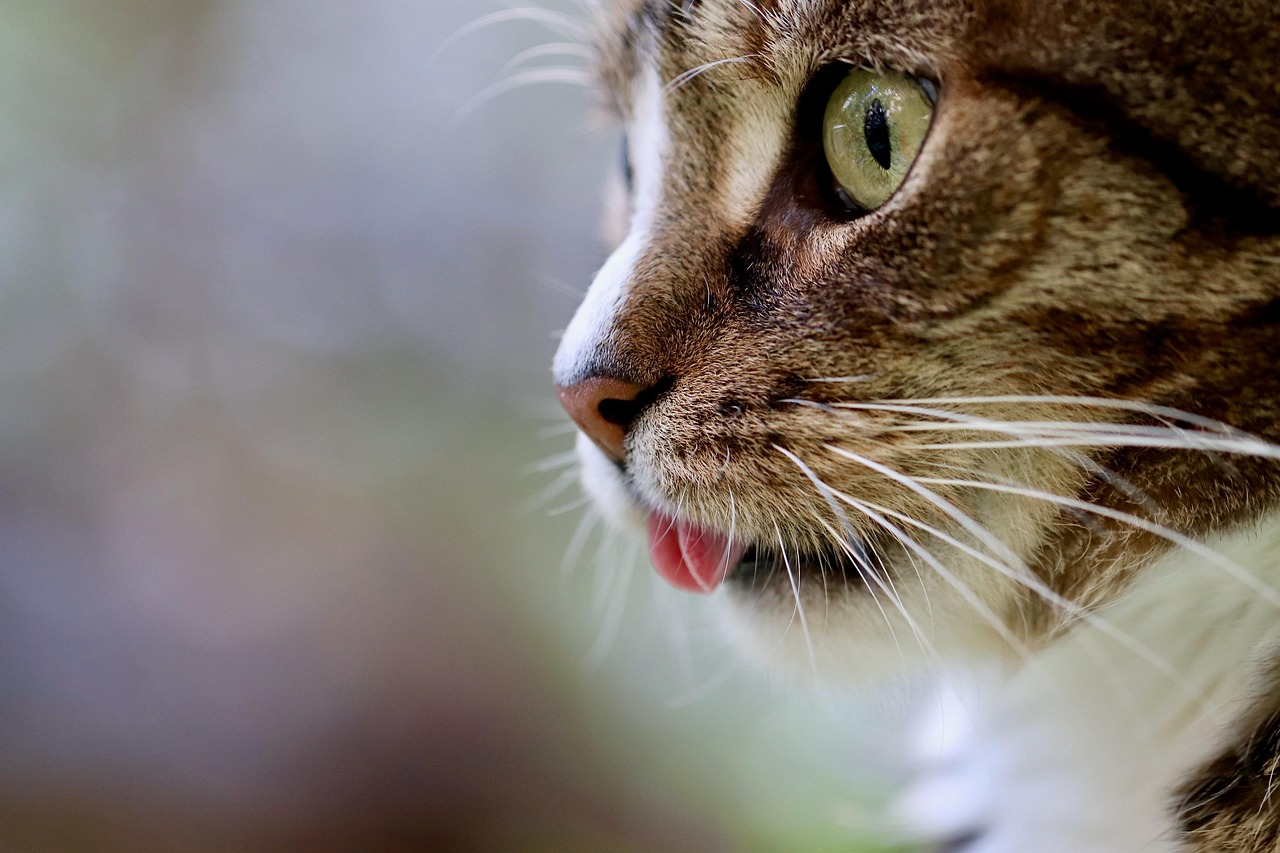

Tailoring Feeding Environments for Senior Cats
Creating a suitable feeding environment for senior cats involves understanding their unique needs. Aging cats often face various health challenges that can affect their eating habits. Issues such as dental problems, reduced mobility, and altered taste perception may require adjustments to their feeding routine. To begin with, providing a quiet, secure space for meals can alleviate stress during feeding time. Additionally, using shallow bowls can simplify access for cats experiencing joint pain. This adjustment involves using elevated stations or non-slip mats to enhance stability and comfort. Furthermore, incorporating interactive feeders can stimulate a senior cat’s mental faculties while appealing to their natural hunting instincts. This type of feeding strategy promotes engagement, which is vital for overall well-being. Variety in diet is also crucial; offering both wet and dry food ensures hydration and a balanced nutrient intake. It is essential to consult a veterinarian when determining any dietary changes. A tailored approach enhances their enjoyment of food while promoting health. The familiarity of certain flavors can make a significant difference, so introducing new foods gradually can maintain their appetite while ensuring they receive essential nutrition.
Environmental enrichment is an essential component when considering senior cat feeding strategies. Providing stimulation in their environment often encourages better eating habits, which can contribute to their overall health. Food puzzles are an excellent addition, allowing cats to tap into their instincts while enjoying their meals. These devices encourage problem-solving and make mealtime an engaging experience. Moreover, placing multiple feeding stations around the home can be beneficial, especially for cats with mobility issues. Ensuring that food is accessible without requiring too much physical effort promotes regular feeding. The locations of these stations should be in quiet areas, away from high-traffic zones. Also, incorporating hiding spots or perches where food can be found adds an element of exploration. Encouraging seniors to engage in their natural behaviors not only stimulates their minds but may lead to improved appetite. Owners can enhance this experience by rotating food flavors weekly. Moreover, keeping certain textures consistently in their diet can prevent any transition issues. Such careful planning can help maintain a healthy weight in senior cats while ensuring their nutritional needs are met adequately.
The Importance of Texture and Flavor
When it comes to senior cats, the importance of considering both texture and flavor in their diet cannot be overstated. Aging can lead to oral health issues, making it essential to select food that is easier to eat yet still enjoyable. For instance, foods with a soft, moist texture can minimize discomfort during feeding. Senior cats often find wet food appealing, as its aroma can be more enticing than dry kibble. In addition, mixing wet food with a preferred dry option can cater to their cravings while keeping their health in check. It’s beneficial to observe specific preferences; some cats may favor chunkier foods while others might prefer pâté styles. Incorporating various flavors can also combat mealtime boredom. Transitioning between flavors, whether fish, poultry, or beef can enhance their overall eating experience. It’s important to introduce changes gradually, monitoring their reactions as they adapt. This approach ensures that they get higher levels of satisfaction from their meals, which in turn promotes better nutrition. Ultimately, being attentive to a senior cat’s unique tastes and comfort makes meal preparation integral to their happiness.
Additionally, hydration plays a crucial role in the overall health of senior cats. It is vital to encourage adequate water intake in their diets. Many older cats may not drink enough, leading to potential health issues such as kidney disease. To address this concern, incorporating wet foods is an effective strategy, as they contain significantly higher moisture content than dry options. Cat owners can also experiment with different water bowls, as some cats have preferences for certain types of dishes. Consider using shallow, wider bowls or running water fountains that can intrigue them. Fountain-style options often attract cats due to their motion and fresh taste. Furthermore, adding ice cubes to their water or offering flavored water can motivate them to drink more. Maintaining a consistent supply of fresh water plays an essential role in ensuring proper hydration. Monitoring their urination habits can provide insights into their hydration status, prompting necessary adjustments in their feeding plan if needed. Ensuring accessible hydration options is an essential aspect every owner must consider, as it directly correlates to a senior cat’s overall health and well-being.
Catering to Special Dietary Needs
Senior cats may also have special dietary needs that must be addressed in their feeding environments. Various health conditions, including obesity and diabetes, require tailored nutrition strategies to enhance their health. Consulting with a veterinarian helps to identify specific dietary requirements for individual cats. For instance, cats with kidney issues may benefit from restricted protein levels without sacrificing quality. Low-carb diets are essential for diabetic cats to help regulate their blood sugar. When tailoring recipes, including digestible protein sources can be a great place to start. Additionally, consider supplementation with omega-3 fatty acids to promote joint health, which can be critical as cats age. Seniors may also experience food intolerances; introducing hypoallergenic options gradually helps maintain digestive health. Tracking their responses to new foods in a journal allows owners to detect issues swiftly. However, the priority must always be on maintaining variety to prevent mealtime boredom. Lastly, improve overall nutrition by offering small, frequent meals throughout the day. This approach caters to their needs by ensuring they maintain stable energy levels while promoting a sense of routine that can alleviate stress.
Social interaction is another vital factor in creating optimal feeding environments for senior cats. Ensuring that meal times are a pleasant and engaging experience can have lasting effects on their behaviors. Many senior cats thrive in social settings, while others may prefer solitude. Recognizing these differences allows for a well-rounded feeding plan that suits their dispositions. Owners can encourage socialization by sitting near the feeding area during mealtime, providing company while allowing the cat to eat comfortably. Additionally, involving family members in the feeding routine can promote familiarity and routine. Under these circumstances, a cat may become more eager to eat, fostering a positive association with feedings. Moreover, using interactive feeding mats or toys can facilitate opportunities for play during meals, turning a simple routine into an event that enhances their overall health. Joint feeding sessions, where cats can share a meal in a communal environment, can also nourish their innate social tendencies. Consider adopting this approach gradually and be vigilant regarding their reactions. Striking the right balance fosters a supportive environment that serves both feeding and social fulfillment in a senior cat’s lifestyle.
Monitoring Changes for Healthy Feeding
Finally, it’s crucial to monitor any changes in eating habits among senior cats regularly. Cats are known to be good at hiding their discomfort, making it challenging for owners to discern any underlying issues. Observing their behavior during mealtimes can offer valuable insights into their health. If a senior cat suddenly becomes disinterested in food or changes its eating habits, it is essential to investigate the cause. Emphasizing routine can aid in recognizing these changes. Owners should keep track of their cat’s appetite and weight regularly, documenting any variations over time. A significant weight loss could indicate health issues requiring immediate attention. Additionally, watching for signs of discomfort or discontent during meals is vital; alterations like gastrointestinal disturbances or a decline in activity level can signal that a change in diet may be necessary. Make sure to engage in regular veterinary checks to ensure that any feeding strategies are working effectively. Challenges may arise, but a proactive approach ensures that senior cats receive optimum nutrition. Ultimately, maintaining awareness and adaptability fosters a supportive feeding environment that optimally caters to the unique needs of aging felines.
By focusing on the needs of senior cats in their feeding and environmental enrichment, pet owners can significantly enhance their quality of life. Combining nutrition with engagement strategies creates a harmonious balance that fosters overall well-being. Implementing these thoughtful practices can prevent the onset of health issues. Be sure to observe your cat’s reactions to feeding adjustments and preferences while ensuring their dietary requirements remain met. As the bond between pet and owner strengthens, the experiences shared during feeding become both rewarding and fulfilling. Encouraging healthy eating behaviors can combat boredom and encourage activity, leading to improved health outcomes. Owners can also share positive experiences through social interactions during mealtime, reinforcing habits that nourish both body and spirit. Furthermore, tailored approaches using varied textures, flavors, and feeding methods can make a huge difference in an aging cat’s enjoyment of meals. Engaging in ongoing education regarding nutrition and health is vital to adapt feeding strategies as needed. Join communities of fellow cat lovers and experts to exchange insights. Ultimately, catering to the preferences and health requirements of senior cats fosters a safe, enriching atmosphere, promoting longevity and happiness.