
The Impact of Socialization in Shelters on Cat Behavior
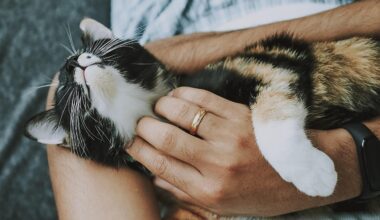
Socialization plays a crucial role in shaping the behavior of cats in shelters. When cats are rescued and brought to shelters, they often experience stress due to their new environment. This stress can lead to various behavioral issues, including fear, aggression, and anxiety. By implementing proper socialization techniques, shelters can help reduce these negative behaviors significantly. Positive interactions with staff and volunteers can create a nurturing environment that encourages cats to feel safe and secure. Furthermore, exposing cats to different people and other animals during their stay can help them adapt better when they eventually find their forever homes. Studies show that socialized cats tend to have better outcomes in adoption rates and adjustment to new environments. A critical aspect of socialization is understanding the individual needs of each cat. Some prefer gentle interactions, while others might require more stimulation. Providing appropriate experiences and meeting their socialization needs can boost their emotional well-being. This comprehensive approach benefits cats and creates a more positive shelter experience for everyone involved.
Many animal shelters now recognize the importance of socialization programs. Training staff and volunteers in feline behavior promotes better handling techniques. Staff members should be equipped with knowledge about cat body language and signs of stress. By recognizing when a cat is overwhelmed, caregivers can modify their approach accordingly. Furthermore, organized play and enrichment activities can significantly improve their mental health while in the shelter. Cats thrive on mental stimulation, so engaging them with toys and interactive play can alleviate boredom and stress. Enrichment not only enhances their well-being but also makes them more appealing to potential adopters. An environment rich in stimuli can showcase a cat’s personality, making them more attractive choices for families looking to adopt. Additionally, regular rotation of toys and varying activities can maintain their interest and enthusiasm. The effects of socialization are not just immediate but extend long after adoption. Cats that undergo proper socialization in shelters integrate more successfully into homes, adjusting better to new life circumstances. Such considerations must become standard practices in every shelter, ultimately improving overall cat welfare.
Understanding Feline Behavior in Shelter Environments
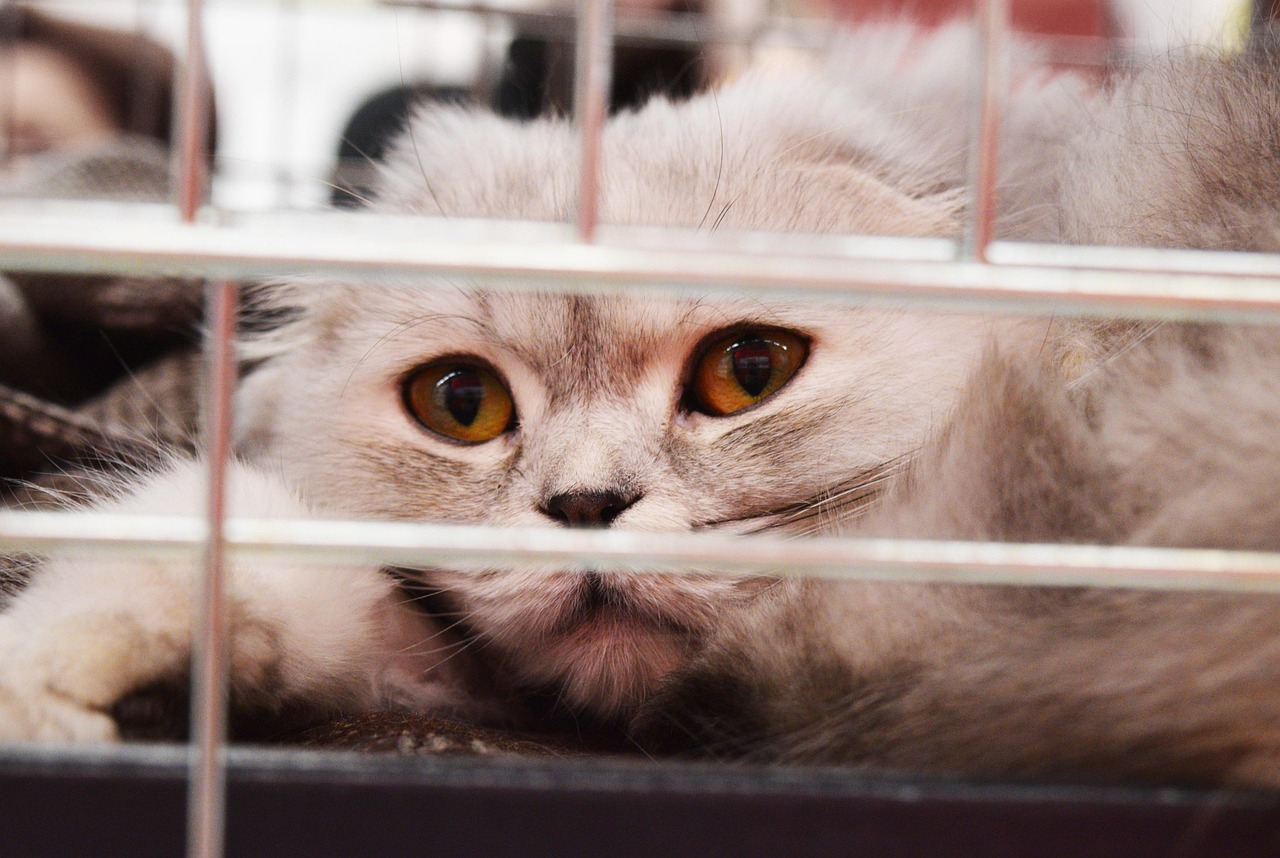
Understanding feline behavior in shelter environments is essential for implementing effective socialization practices. Cats are creatures of habit and can struggle with sudden changes. The loud, bustling atmosphere of a shelter can be daunting, triggering anxiety and fear. To address these challenges, it’s vital for shelters to create quiet spaces where cats can retreat. These designated areas can provide a sense of security amidst chaos. Implementing soft music or gentle lighting can also positively influence their mood. Observing the cats’ reactions to various stimuli allows caregivers to tailor their approach, ensuring individual comfort and care. Offering scheduled quiet time helps alleviate the noise that can disorient and stress them. Socializing cats through gentle petting, interactive toys, or even training can significantly impact their behavior. Ease of handling during adoption events can inspire confidence in both cats and potential adopters. Monitoring the effects of these socialization efforts over time helps shelters understand what strategies work best for specific feline personalities. Ultimately, a deeper understanding of feline behavior in shelter environments creates happier, healthier cats, better prepared for adoption.
Adoption events are excellent opportunities for socialization beyond the daily shelter routine. Bringing cats out of their usual environment fosters new experiences, helping them adapt to the diverse settings they will encounter in homes. By showcasing cats in calmer environments, potential adopters can witness their true personalities in a more relaxed situation. It opens the door for one-on-one interactions that reveal how a cat interacts with people. Comfortable settings can elicit a cat’s playful nature and sociability, often improving their chances of adoption. Engaging volunteers during events to assist with handling and showcasing cats is also beneficial. Volunteers provide precious social interaction, which reinforces positive behaviors. Moreover, informative events for prospective adopters can educate them on best practices for introducing new cats into their homes. Providing resources like pamphlets on cat care, behavior tips, and advice on the socialization needs of cats are valuable. Regularly hosting such adoption events encourages community involvement and directly impacts cat adoption rates. By embracing a well-rounded approach, shelters enhance the overall impact of socialization on cat behavior, contributing to lasting positive change.
Creating Enriching Environments in Shelters
Creating enriching environments in shelters is a key component of improving cat mental health. To foster a sense of security and curiosity, shelters should provide features such as climbing structures, scratching posts, and cozy hideaways. These simple changes can facilitate natural behaviors, which are vital for feline well-being. Moreover, diversifying the environment with various textures and sounds can stimulate the cat’s senses. Regular changes in the layout to create novel experiences helps keep their environment engaging. These methods not only reduce stress levels but also encourage physical exercise and mental engagement. Introducing various toys boosts their playfulness, making them more appealing to potential adopters. Mental stimulation is equally important—food puzzles can challenge cats, allowing them to exhibit their problem-solving skills. Furthermore, ensuring socialization time with staff and volunteers creates a critical bond with humans. Staff training focused on enrichment techniques enhances the experience for both staff and cats. By creatively maximizing space and resources, shelters can transform a sterile environment into a vibrant one. Ultimately, these efforts lead to happier, healthier cats, benefiting their adoption prospects and long-term adjustment.
Establishing a program for volunteers focusing on socialization can significantly impact a shelter’s atmosphere. Volunteers often serve as extra hands, helping socialize resident cats while educating themselves about feline behavior. Training volunteers on best practices for socialization ensures consistency. Encouraging volunteers to conduct regular play sessions helps foster trust and confidence in the cats. Relationships developed in this manner can make the cats more adoptable, as they become acclimated to human interaction. Structured playgroups allow cats to engage with one another, promoting healthier social skills that translate outside the shelter. Interactions with volunteer teams can differ from those of staff, leading to varied experiences for the cats. Workshops and informational sessions for volunteers help maintain focus on cat-centric care. This interaction furthers important socialization goals while creating a community of cat advocates. Furthermore, volunteer input can enhance the shelter’s operational strategies. Listening to their experiences helps refine approaches to socialization, ensuring the shelter remains responsive to cat needs. Ultimately, fostering a robust volunteer program dedicated to socialization creates positive ripple effects, benefiting the cats, staff, volunteers, and the community.
Long-term Benefits of Socialization
The long-term benefits of socialization extend far beyond the shelter walls. Cats that are well-socialized tend to adapt more easily to their new homes, easing the transition process. A well-adjusted cat is less likely to experience behavioral issues, leading to fewer return adoptions. Families that adopt these cats often report better bonding experiences, as socialized cats readily engage with their owners. Engaging in human interaction fosters a sense of companionship that aids in forming strong emotional connections. Moreover, positively socialized cats often exhibit less stress, resulting in improved health outcomes. In shelters, addressing behavioral issues can significantly impact the number of cats successfully placed in loving homes. By investing in socialization programs, shelters can champion the cause of feline welfare effectively. Observing the immediate and long-term effects of socialization underscores its critical role in shaping cat behavior. These programs not only benefit the cats but also enhance the overall image of the shelter in the community. Now more than ever, the need for shelters to adopt strategies focusing on socialization is essential. Creating happy, healthy cats ready for adoption is a noble goal, saving lives in the process.
A successful shelter must continuously assess and adapt its socialization techniques. Gathering feedback from adopters can yield valuable insights into the effectiveness of socialization efforts. Conducting follow-up surveys or interviews after adoption provides a deeper understanding of the cat’s adjustment to its new environment. This feedback loop can inform shelter practices, helping them refine socialization strategies over time. Implementing regular training sessions for staff and volunteers will ensure that everyone is aligned with the latest techniques. Collaborations with behavioral experts can offer additional insights into effective methods. Additionally, shelters can share their successful strategies with other organizations, fostering a community dedicated to improving cat welfare. Public awareness campaigns can emphasize the importance of socialization, encouraging community involvement. Creating platforms to discuss advancements in shelter practices, like socialization, can be beneficial. Building partnerships with local businesses or educational institutions often provides resources and support. Every effort made in socialization improves the lives of countless cats and enriches the community. This collective mission highlights the importance of commitment to continuous improvement in socialization practices. Ultimately, a conscious, ongoing effort will significantly impact the lives of cats in shelters.