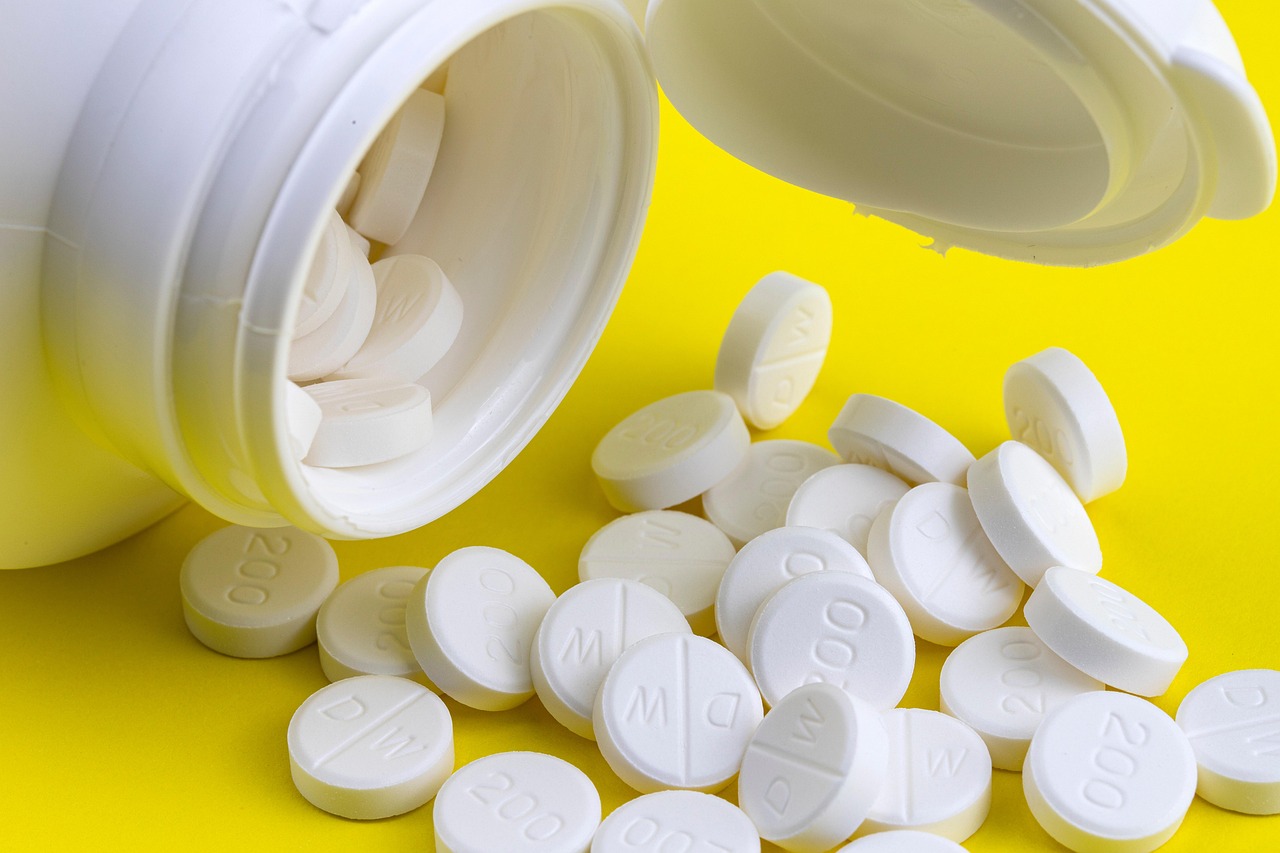

The Risks of Supplementing Without Veterinary Consultation
When it comes to your cat’s health, nutrition plays a crucial role, and supplements can be beneficial. However, there are significant risks associated with administering supplements without consulting a veterinarian. Many pet owners assume that if a supplement is available in stores, it must be safe. This assumption can lead to dangerous outcomes for your cat’s health. Supplements can interact with each other or with prescribed medications, leading to adverse effects. For instance, an overabundance of certain vitamins and minerals can result in toxicity. Cats have unique nutritional needs, and what may be beneficial for one may not suit another. Additionally, inappropriate dosages can lead to serious health complications. Before considering any supplement, it’s essential to consult your veterinarian who understands your cat’s specific health condition. They can provide guidance on whether a supplement is necessary based on your cat’s age, breed, and health history. A proper evaluation by a vet minimizes risks and ensures your cat gets the necessary nutrients safely. Therefore, prioritizing veterinary advice is critical for your cat’s well-being.
Understanding the ingredients of the supplement is critical for ensuring your cat’s safety. Some common ingredients in pet supplements might not be suitable for all felines. For instance, certain amino acids and herbal products may have unknown effects on some breeds or various health conditions. Your cat’s gastrointestinal system may react differently to supplements without proper veterinary guidance. Signs of such reactions can vary, from gastrointestinal upset to lethargy. Each cat is unique, making individual assessment paramount. By discussing supplement options with a veterinarian, you can make informed decisions that positively impact your cat’s overall health. Furthermore, a veterinarian can recommend high-quality products that have undergone rigorous testing and research, ensuring safety and efficacy. This prevents pet owners from choosing low-quality products that could do more harm than good. Relying solely on online reviews or anecdotal evidence from other pet owners could lead you astray. Always validate the product’s safety and quality through professional consultation. So, take the time to understand the ingredients and seek advice from your vet before deciding on any supplement.
Another significant concern involves the potential for poor-quality supplements flooding the market. Not every supplement available in stores meets stringent safety and quality standards. As a pet owner, you might assume that all brands adhere to regulations, but that is not always the case. Low-quality ingredients can compromise your cat’s health. Some products might contain fillers, artificial flavors, or other harmful substances that do not provide any real benefit. In the absence of veterinary oversight, there’s a higher risk of choosing these poor-quality products, which may negatively impact your cat’s health. Moreover, non-regulated products may not even provide the benefits claimed on their labels. High levels of some ingredients can lead to toxicity, which could have serious consequences. Your cat deserves the best care possible, and this includes providing only high-quality, approved supplements when necessary. Always check product credibility and consult with a veterinarian to ensure you’re making the right choice. Your vet can guide you towards reputable brands acclaimed for their quality and effectiveness, promoting your cat’s health and longevity.
Identifying Health Conditions
Many cats silently endure health issues that might require tailored nutritional support. Hence, identifying these conditions is critical before considering any supplements. Without proper diagnosis from a veterinarian, treating a health problem with supplements could exacerbate the situation. Conditions such as kidney disease, diabetes, or allergies require individualized approaches rather than a one-size-fits-all solution. For example, while Omega-3 fatty acids might benefit some cats, they may worsen others’ health conditions. Consulting a veterinarian helps in understanding what specific nutrients your cat may need based on any existing health issues. A vet can perform diagnostics such as blood tests or imaging that provide insights into your cat’s condition. They can then recommend tailored supplements that align with your cat’s specific dietary needs. This personalized approach helps in effectively addressing any health problems. Don’t overlook the importance of identifying underlying health issues before administering any supplements. Your cat’s health and vitality depend on accurately diagnosing any conditions and supplying the right dietary adjustments to support their well-being. Be proactive in seeking veterinary advice to promote better health for your precious feline.
Moreover, regular veterinary check-ups should include conversations about supplements as part of wellness visits. These discussions can enhance your cat’s overall health strategy. Your veterinarian can monitor any dietary changes and adjust supplement recommendations accordingly. As your cat ages or their health dynamics change, so may their nutritional requirements. By maintaining an open line of communication with your vet, you can address any emerging concerns and adapt your approach to nutrition. Your veterinarian can also help distinguish between essential supplements and those that may simply serve as marketing gimmicks. This knowledge ensures that you focus on what truly benefits your cat. Supplements alone cannot replace a balanced diet rich in essential nutrients; thus, your vet can provide advice on achieving a well-rounded diet for your feline friend. Furthermore, they can guide you on incorporating supplements effectively, maximizing their benefits without compromising your cat’s health. Utilizing regular check-ups optimally informs your strategies and empowers you to make better nutritional choices for your cat, ultimately leading to a happier, healthier life for your beloved pet.
The Importance of Pet Owner Education
Educating yourself on pet nutrition is vital to the health of your cat. Many pet owners are unaware of the potential ramifications of inappropriate supplementation. Educational resources and veterinary guidance can help pet owners make informed decisions regarding their cat’s diet. Books, reputable websites, and forums can serve as valuable tools for learning about the complexities of pet nutrition. However, remember that general advice may not be sufficient for your specific cat’s needs, which is why professional guidance is essential. Your vet can provide tailored advice that directly reflects your cat’s health status and nutritional requirements. Furthermore, being knowledgeable about your cat’s unique physiologic needs can prevent you from making common errors, such as over-supplementation or selecting unsuitable products. As you become more informed, you will feel more confident in your decision-making, ensuring your cat receives the best possible care. Lastly, as you navigate through nutritional choices for your pet, always combine your research with professional veterinary advice to achieve a balanced, health-focused strategy for your cat.
In conclusion, while supplements can play a supportive role in your cat’s nutrition, it is vital to involve your veterinarian before making decisions. The risks associated with self-supplementation far outweigh any potential benefits. Your cat relies on you for ensuring their dietary choices promote optimal health and well-being. Always prioritize professional guidance and be cautious of the information available online. By incorporating your veterinarian’s expertise, you can better protect your cat from adverse reactions caused by unsuitable supplements. Empathy and education regarding feline nutrition go hand in hand; you become an advocate for your cat’s health by understanding their unique needs. This approach minimizes risks and enhances the quality of life for your feline companion. Therefore, make veterinary consultation a primary step in any supplementation journey. Ultimately, you and your veterinarian can collaboratively develop an effective nutrition plan designed to meet your cat’s specific requirements, contributing to a longer and healthier life.