
The Role of Nutrition in Effective Dog Training
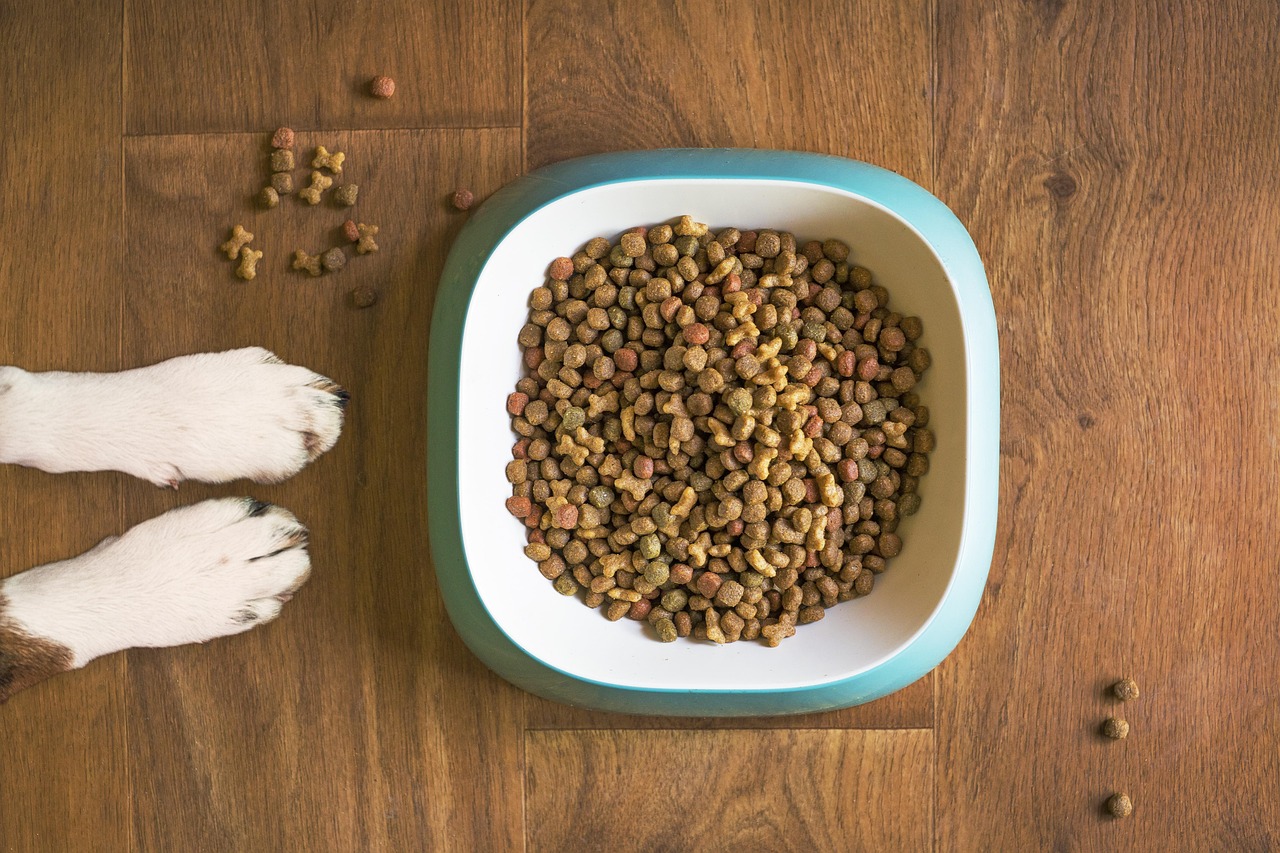
To achieve success in dog training, it’s crucial to understand the importance of nutrition. A balanced diet provides dogs with essential nutrients that foster strong physical condition and cognitive function. Just like athletes require quality fuel, so do our canine companions. Poor nutrition can lead to lethargy, delays in learning, and lack of motivation. A dedicated dog owner must consider their pet’s specific needs based on age, size, and breed. Protein, fats, carbohydrates, vitamins, and minerals all play significant roles in a dog’s daily diet. For instance, high-quality proteins support muscle development, while healthy fats provide energy and aid in nutrient absorption. Furthermore, certain vitamins can enhance the immune system, making a dog more receptive to training sessions. Owners should avoid overfeeding or giving excessive treats during training, as this can lead to obesity. Instead, sticking to a regular meal schedule and monitoring portions will promote a thirst for learning. Remember, a well-nourished dog is energetic and eager to respond to commands, resulting in effective training experiences for both the pet and the owner.
Moreover, hydration is another critical aspect of nutrition that influences training effectiveness. Dogs that are well-hydrated perform better during training sessions, showing increased alertness and responsiveness. Dehydration can impair cognitive functions, making it harder for dogs to learn commands or tricks. Therefore, ensuring there is ample fresh, clean water available at all times is vital. Signs of dehydration in dogs include a dry nose, lethargy, and reduced elasticity of the skin. Pet owners should be observant to prevent dehydration from happening, especially during challenging training sessions or hot weather. Additionally, integrating fruits and vegetables into a dog’s diet can enhance overall health and vitality. Foods like carrots, blueberries, and spinach are nutritious and can serve as low-calorie treats during dog training. Such healthy snacks provide antioxidants and vitamins that improve brain function. It is essential to remember that not all human food is suitable for dogs; some can be toxic. Always consult a veterinarian before introducing new foods into your dog’s diet. By ensuring proper hydration and nutritional intake, dog owners can maximize their training potential, leading to quicker, more effective learning outcomes and a stronger bond.
Exercise and Its Synergy with Nutrition
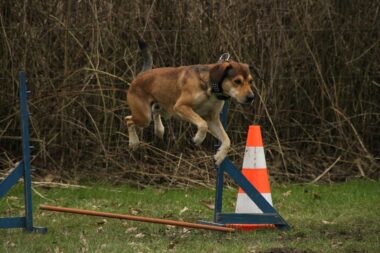
In addition to diet, exercise plays a significant role in effective dog training. Regular physical activity complements proper nutrition, significantly influencing a dog’s behavior and training readiness. Exercise helps expend excess energy, allowing dogs to focus better during training sessions and improving their overall obedience. Engaging in daily walks, playtime, and interactive games not only keeps dogs physically fit but also mentally stimulated. This stimulation enhances a dog’s ability to process commands and learn new behaviors. Varied exercise routines can help in preventing boredom, which is often linked to problematic behaviors. Activities like fetch, agility courses, and even swimming can aid in building a well-rounded canine. Furthermore, as dogs participate in exercise, their physical condition improves, directly affecting their training receptiveness. The closer the relationship between exercise and good nutrition, the more pronounced the benefits. By maintaining an ideal balance, dog owners can see a stark improvement in their dog’s behavior and learning capabilities. Instead of relying solely on one aspect, combining a healthy diet with regular exercise creates a robust foundation for effective training.
Consistency in feeding and training times can markedly affect your dog’s learning capabilities. When dogs receive food at consistent intervals, they adapt better to routines, which translates to increased obedience. Similarly, establishing a training schedule reinforces these routines, making it easier for dogs to anticipate commands and tasks. Daily routines reduce anxiety in pets, providing them with a sense of security where they know what to expect. Over time, this familiarity encourages them to engage more actively during training sessions. Additionally, avoiding high-fat treats as rewards may prevent unwanted weight gain and negative behavioral changes. Focus on positive reinforcement with healthy options that promote good nutrition. Training sessions should align with meal times; for instance, conducting training before meals can enhance the pet’s motivation. Hunger can positively impact a dog’s eagerness to learn. However, it is essential that training doesn’t trigger stress over food. Each training session should maintain a light atmosphere, allowing your dog to associate positive experiences with commands. Thus, through the strategic management of food and training schedules, Owners can effectively promote a healthier lifestyle while enhancing their dog’s training progress and overall well-being.
Understanding the Impact of Treats
The types of treats given during training can significantly affect a dog’s performance and health. Opting for small, nutritious treats helps maintain focus while preventing obesity, a common issue in pets today. Treats serve as motivation; dogs respond better to training when they anticipate rewards for their efforts. This method should be applied delicately, ensuring total daily caloric intake is considered. Instead of commercial treats, owners can create homemade, healthy options such as baked sweet potato bites or carrot sticks. Additionally, rewarding dogs with love, praise, and playtime can prove just as impactful as food treats. Mental stimulation gained through varied training techniques pairs well with the effects of nutrition. Dogs often perform better when their trainers display enthusiasm and positive body language. Consequently, an owner’s attitude can influence the outcomes of any training exercise. Using a combination of verbal praise, light petting, and healthy snacks can encourage dogs to engage fully in their training sessions. This variety in reward methods can make training more enjoyable for both dog and owner. Thus, understanding and implementing the right treats can enhance training effectiveness while promoting a healthy lifestyle.
Another aspect worth considering is the role of dietary supplements in a dog’s training regimen. Certain supplements can enhance cognitive function, memory, and overall health. Owners should always consult a veterinarian before introducing supplements into their dog’s diet, ensuring they are appropriate for their specific needs. Omega-3 fatty acids, for instance, can support brain health and improve focus during training. Antioxidants may also combat oxidative stress, which can be beneficial during physical activities. Additionally, probiotics can enhance gut health, playing an indirect role in your dog’s mental state and energy levels. Always prioritize high-quality, transparent brands that provide clear dosage instructions. Some supplements come in palatable forms, making it easier for dogs to accept. Properly integrating these dietary aids with a comprehensive nutritional approach can vastly enhance training effectiveness. Additionally, positive veterinary guidance ensures a tailored approach that benefits both the dog’s health and training goals. By being proactive about supplementation, dog owners can maximize their pet’s learning potential and overall well-being, creating a happier, healthier training experience.
Creating a Balanced Training Schedule
Finally, creating a balanced training schedule that incorporates both diet and exercise is crucial. A well-structured routine enhances the dog’s discipline while ensuring it stays physically and mentally active. Each training session should ideally start with some form of physical activity to expel excess energy. Following a light workout, engaging in focused training sessions can yield better results. Alternating between training and play can also prevent burnout; dogs need breaks to stay engaged throughout the learning process. Finally, don’t forget at the end of the day, building a connection with your dog is paramount. Making training an enjoyable experience for both owner and pet is essential for long-term success. This might mean rewarding them with their favorite healthy treat after a well-completed session. The positive reinforcement built through consistent schedules, proper diet, and continued engagement fosters connections while enhancing training outcomes. Remember that communication, patience, and consistency are keys to effective dog training. Ultimately, a combination of proper nutrition, exercise, and dedication can lead to a well-behaved and enthusiastic canine companion that thrives in their environment.
In conclusion, nutrition plays a pivotal role in effective dog training. A balanced diet empowers dogs to learn quicker, respond better, and maintain optimal health as they train. By understanding their dietary needs and ensuring regular physical activity, pet owners can facilitate a successful training journey. Awareness of hydration, healthy treats, and potential supplements also contributes significantly to a dog’s willingness to learn. Pairing these nutritional elements with consistent training schedules leads to happier and more obedient dogs. All of these components together create a holistic approach, fostering an environment where dogs can thrive. Prioritizing nutrition and exercise is not just essential for physical well-being, but it also fosters the mental sharpness necessary for effective training. Lastly, the bond developed through this process is invaluable, enhancing the owner-pet relationship while ensuring that the training experience is enjoyable for both parties. By embracing a comprehensive approach to dog training that integrates nutrition, exercise, and positive reinforcement, owners set the stage for success. Ultimately, a well-trained dog is an incredible companion, resulting in a fulfilling partnership that benefits both the pet and owner.