
Training Tips to Reduce Aggressive Behavior in Dogs
Managing aggressive behavior in dogs is a priority for responsible pet owners. Understanding the roots of aggression is crucial. Factors such as fear, territorial instincts, and lack of socialization can lead to aggressive behavior. Owners must recognize these signs early. Socialization is a key factor in reducing aggressive tendencies. Exposing dogs to varied environments, pets, and people helps them develop confidence. Positive reinforcement during these interactions builds a stronger, more relaxed dog. Begin socialization as early as possible for the best results. Another significant step is consistent training. Employ systems such as obedience training to instill discipline and respect. Commands like “sit,” “stay,” and “leave it” promote better control over their actions, especially during confrontational situations. Regular practice ensures that dogs internalize commands, reinforcing good behavior. Furthermore, tailored exercises for energy release should be implemented. Activities such as fetch and tug-of-war provide physical outlets. Regular physical engagement can alleviate pent-up stress, leading to calmer behavior at home and in public. A holistic approach that encompasses socialization, training, and physical activity is essential for maintaining an emotionally healthy dog.
Understanding specific triggers for aggressive behavior helps in addressing the problem effectively. Keep an observation journal to take note of circumstances that elevate aggression. Whether it’s a particular location, presence of other animals, or stranger interactions, identifying triggers is vital. This information guides your training methods and helps in gradually desensitizing the dog to its triggers. Desensitization techniques involve slowly exposing the dog to their triggers while rewarding calm behavior. Gradually increasing exposure, along with rewards like treats, can effectively lower anxiety levels. This approach fosters a more confident and controlled demeanor. Additionally, consulting with professionals can provide various perspectives. Trainers and animal behaviorists can offer targeted strategies tailored to your dog’s needs. They can devise an individualized training plan, ensuring effective results. Joining a training class also fosters a structured learning environment for both dog and owner. Classes encourage interaction with other dogs and can lessen fear and aggression through controlled exposure. Maintaining patience and consistency is crucial during this process. Developing trust and respect over time creates a healthier bond between the dog and owner, significantly reducing any aggressive behavior overall.
Utilizing Tools Effectively
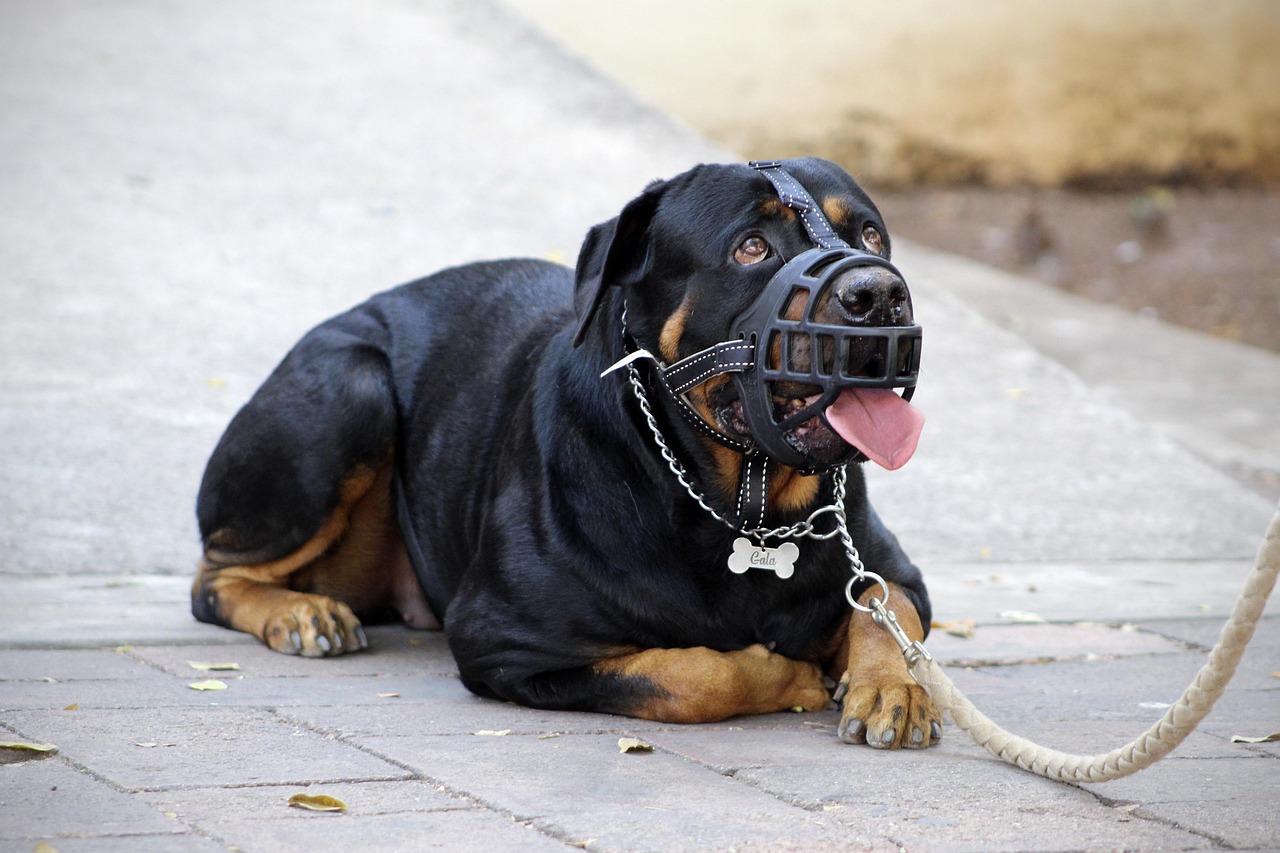
Utilizing specific training tools can enhance your efforts in mitigating aggressive behavior. One such tool is the leash. Leashes give owners control in unpredictable situations but should be used delicately. Proper use prevents reinforced negative behaviors such as lunging or biting. Use a slip collar or head halter for additional control, but employ these tools judiciously to avoid discomfort or anxiety in the dog. Consider tools such as muzzle when necessary, particularly in high-stress environments. Muzzles help in keeping interactions safe while working on behavioral issues. However, proper muzzle training is crucial to ensure your dog is comfortable and secure. Gradually condition your dog to accept a muzzle by associating it with fun activities, such as playtime and walks. Another beneficial tool is clicker training. The clicker marks desired behaviors, reinforcing them with positive rewards such as treats. Clicker training communicates effectively with dogs, allowing them to understand expectations clearly. Utilizing visual aids during training sessions, like treat-handling techniques or directional signals, also helps. Such tools cater to different learning styles, adequately enhancing the comfort level of both dogs and their owners.
Engaging in relaxation techniques can greatly complement training. Teaching your dog to remain calm can counteract its instinctive reactions to perceived threats. Techniques such as deep breathing, or practicing ‘settle’ commands, can help in reinforcing tranquility. When a dog displays signs of aggression, remove it from the environment momentarily. Create a quiet, comfortable space where it can relax and de-escalate. Use soothing voices and gradual petting to ease anxiety. Additionally, professional help can be beneficial. Seek trainers that specialize in canine behavior modification. They can assess individual situations and provide insight into behavior management. It’s also beneficial to focus on the environment, as external factors can enhance a dog’s aggressive tendencies. Decluttering living spaces or using barriers during training can foster a more secure atmosphere for your pet. Make sure outdoor areas are monitored, with secure fencing to prevent stray animals from inciting aggressive behavior. Indoor spaces should also be managed to minimize confrontational interactions. Gradually introducing your dog to new stimuli will help them adapt and feel more secure in their territory.
Regular Mental Stimulation
Incorporating regular mental activities is vital in reducing aggressive behavior. Dogs thrive on a mix of physical and mental stimulation. Engaging their minds can alleviate boredom, which often leads to anxiety and undesirable behavior. Interactive toys, puzzle feeders, and scent games can challenge a dog’s intelligence while providing a rewarding experience. Training sessions themselves can be a form of mental exercise, reinforcing the bond while providing direction. Keeping routines consistent helps dogs understand their environment better, thus reducing anxiety. Dog sports such as agility training or obedience competitions introduce structured environments that can channel energy positively. Additionally, consider incorporating fun tricks into regular training. Teaching commands like “roll over” or “play dead” is both enjoyable and mentally stimulating. Ensure these routines remain fun to avoid overwhelming the dog. Group playdates with other trained dogs can also serve as an outlet for energy and socialization, minimizing aggressive incidents. Lastly, incorporate varied routines to keep things exciting for your dog. Change up walking routes or visits to different parks to ensure they remain engaged and less sensitive to repeated stimuli.
Monitoring your dog’s nutrition plays a critical role in its mental health. A well-balanced diet impacts behavior and energy levels. Ensure your pet receives the right nutrients, and consult a veterinarian for personalized dietary recommendations. Certain food additives or preservatives might provoke hyperactivity or aggression, so always opt for high-quality, natural foods. Make adjustments based on feedback from your dog, as individual needs vary significantly. Hydration is equally important. A well-hydrated dog is less susceptible to irritability, especially during training or social encounters. Be attentive to changes in drinking habits, as they often correlate with behavioral shifts. Proper hydration enhances cognitive function, making dogs more receptive to training. Exploring natural supplements may also aid in maintaining mental wellness. Products containing Omega-3 fatty acids or herbal calming agents can have positive effects on stress levels. While supplementing, do so in consultation with a veterinary professional. After any dietary changes, monitor your pet’s reactions. Keeping track of all elements — food, exercise, and environment — creates a holistic approach in managing aggression and promoting mental well-being.
Fostering a Positive Environment
Lastly, fostering a positive home environment contributes significantly to a dog’s mental health. Encourage routines that promote calmness, such as setting specific times for feeding, walks, and training sessions. A consistent structure minimizes confusion and anxieties for pets. Establish dedicated spaces for relaxation, complete with comfortable bedding and safe toys for distraction. Creating a safe haven for your dog enhances its comfort level during stressful situations. Regularly interacting positively with your pet reinforces trust and reinforces affection. Incorporate quality bonding time through play or gentle grooming sessions, building a deeper relationship. It’s essential to recognize and reward good behavior, no matter how small. Establishing this positive reinforcement creates an encouraging atmosphere, further mitigating aggressive tendencies in dogs. Avoid punishment-based strategies as negative actions can exacerbate fear and aggression. When your dog shows positive behavior, celebrate those moments with treats or praise. Communication is key; maintain an attentive and calm demeanor when addressing behaviors. Establishing a positive environment ensures both you and your furry friend thrive together, ultimately reducing anxiety and enhancing overall wellbeing.
Now that you understand essential training tips and effective methods for mitigating aggressive behavior, you are equipped to make a difference in your dog’s mental health. Remember that consistency and patience are significant companions in this journey. Each dog is unique and may respond differently to varying training techniques, making it crucial to adapt to your dog’s specific needs. Engaging with a professional trainer can provide immense value, especially regarding complex behavioral issues. Keeping an open line of communication with your vet strengthens your approach too, as they can guide dietary needs and behavioral health as required. Apply a combination of positive reinforcement, structured socialization, regular exercise, and mental stimulation to raise a healthy, well-behaved companion. After all, the goal is mutual happiness, not just avoidance of aggressive behavior. Monitor progress closely and adjust strategies as necessary while maintaining a calm and encouraging stance. It may take time, but your dedication will yield results. Building a solid bond grounded in trust and understanding ultimately reduces aggression, leading to a fulfilling lifelong companionship cherished by you and your beloved dog.