
Using Reflections and Shadows for Creative Cat Photography
Capturing stunning images of cats can be an exhilarating endeavor, but employing reflections and shadows can elevate your photography to new artistic heights. Understanding how to effectively use these elements involves observing light and defining the composition. Reflections can often be seen in windows, mirrors, or even bodies of water, providing opportunities to create intriguing and layered photographs. It is integral to position yourself strategically to capture both the cat and its reflective image. Shadows also play a crucial role in defining the mood and depth of your images. Soft shadows can create a sense of mystery, while strong shadows can add drama. Experimenting with various light sources and the time of day can significantly influence the shadow’s appearance. The main goal is to incorporate reflections and shadows creatively without overshadowing the cat’s features. Properly managed, they can enhance the overall composition, letting you express your creative vision fully. Lastly, don’t hesitate to shoot from different angles—sometimes unexpected perspectives yield the most extraordinary results. Additionally, post-processing can accentuate these effects, refining the ethereal theme you’re striving for in your cat photos.
Choosing the right environment for cat photography is essential to successfully implement reflections and shadows. Locations that naturally embody reflective surfaces, such as glass tables or polished floors, can yield wonderful shots where cats play against mesmerizing backgrounds. Setting up in environments that allow for interesting interactions between your subject and the light can lead to dynamic photos. Look for unique opportunities, such as shooting during golden hour, when the sunlight casts elongated shadows that can amplify the emotional quotient of your images. Incorporating shadows can transform mundane scenes into full-fledged stories; thus, always be mindful of how shadows fall and their potential to create leading lines that guide the viewer’s eye. Additionally, you can experiment with artificial lighting to create complex and dramatic shadow patterns. Positioning a flash at an angle may produce striking contrasts and interesting shadow effects. While reflections can add layers, shadows can enhance the narrative within the photo. Observing how your subject interacts with these elements can help detail your storytelling. If the cat is playing by a window, capturing both its reflection and the shadow could tell a captivating story in a single frame.
Composition Techniques with Reflections
The composition of your photograph is vital when utilizing reflections in cat photography. Get creative with angles; rather than capturing the cat head-on, adjust your perspective to make the most of reflections visible in glass. Low angles often work wonders by creating a captivating foreground featuring the reflection while highlighting your feline’s features. Furthermore, try using natural frames, like leaves or doorways, to encompass both the cat and its reflected self. This technique can lend depth to your images. Remember, reflections can also bring in colors from the environment, contributing to the overall aesthetic. Isolate your subject against the reflective surface, ensuring the focus remains on the cat while adding context. Think about incorporating urban settings where shiny buildings might reflect the sky or surrounding architecture. Moreover, it’s crucial to maintain focus on the cat, particularly if the reflective elements are busy or distracting in the background. It creates a balance that is aesthetically pleasing and draws the eye naturally. Lastly, shooting during dusk or dawn when the lighting is softer can prevent overexposure, giving a gentle quality to the reflections you capture.
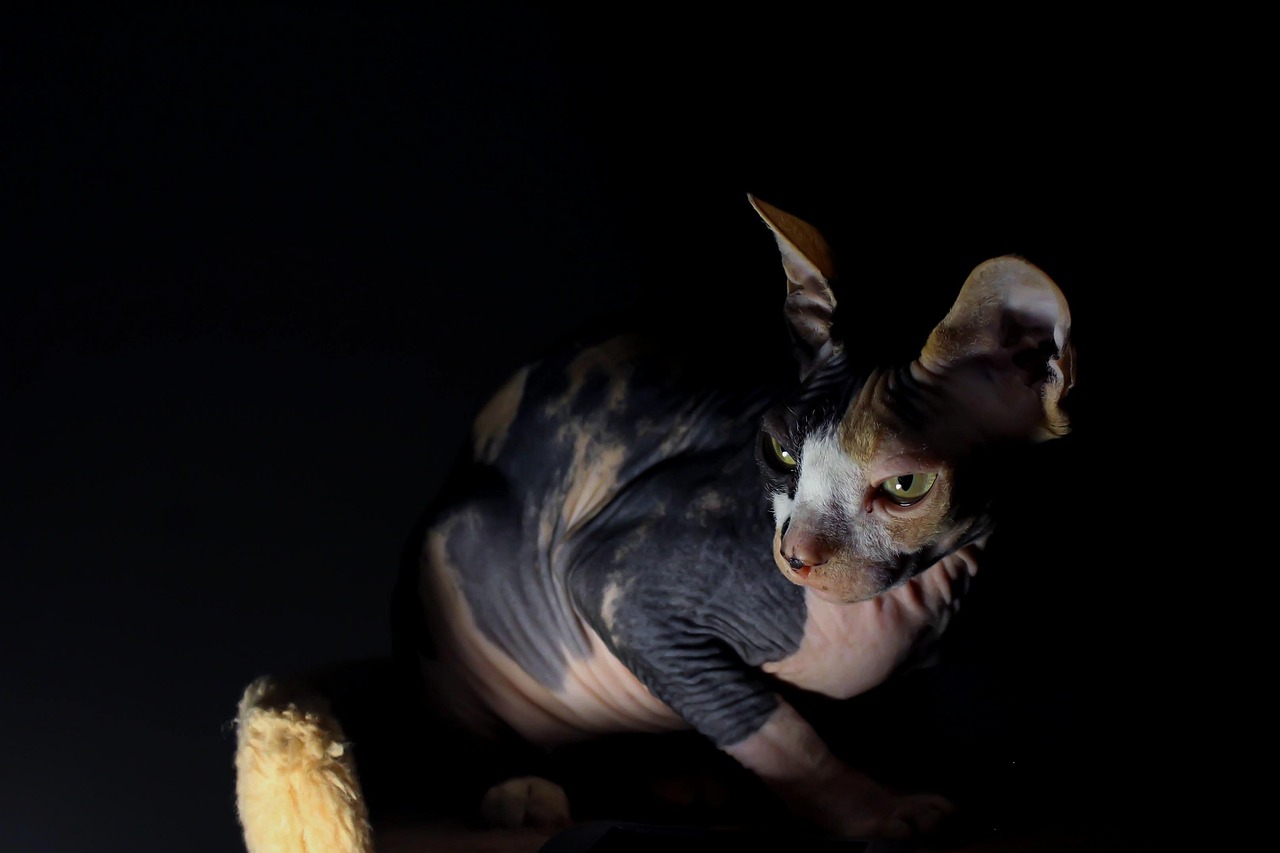
Working with shadows presents a different set of creative opportunities in cat photography. Using shadows effectively can communicate a sense of mood ranging from playful to dramatic. Start by observing the subject’s movements. Cats are naturally curious and playful, which often leads to interesting shadow play. Capture their movements against surfaces that can create interesting patterns—a simple carpet or textured wall can yield dramatic effects. Consider shooting during the late afternoon light when shadows stretch longer and can add a dynamic edge to your photographs. The angle of the sunlight can create harsh shadows that feel dramatic, while overcast days may deliver softer, more diffused shadow lines. When experimenting, make sure to maintain attention on the cat’s expression or action. Shadows are not merely an afterthought; they should work in tandem with the cat’s antics, enhancing the narrative. Use composition rules like the rule of thirds to align the subject, the shadows, and any other compositional elements. This thoughtful approach ensures that everything works cohesively, resulting in photos that are visually engaging and rich in storytelling, connecting with viewers on a deeper level.
Editing Techniques for Enhanced Effects
Post-processing is where your images can truly stand out, particularly when emphasizing reflections and shadows. Tools like Adobe Lightroom and Photoshop offer a plethora of options to enhance your cat photography results. Focus first on adjusting the exposure levels; sometimes, overly bright reflections may need to be toned down to keep the focus on your subject. Shadows can be refined by adjusting the contrast and clarity settings, drawing more attention to these elements. Use selective editing techniques to highlight reflections without altering the entire image. For example, a radial filter can help isolate the cat’s reflection, enhancing it while keeping the background intact. When dealing with shadows, you can also use the brush tool to lighten certain areas or deepen others, crafting a more three-dimensional look. Don’t forget color grading; rich colors can complement the reflective surfaces and shadows together beautifully. If desired, consider adding a vignette to focus the viewer’s attention on the center of the photograph. These advanced enhancements can turn a simple photograph into a mesmerizing visual story, captivating your audience for longer, making your cat photography memorable.
Finally, sharing your creative cat photographs on social media or photography forums can lead to exciting feedback and learning opportunities. Platforms like Instagram and Pinterest are full of cat lovers and photography enthusiasts eager to see your unique compositions involving reflections and shadows. Engage with the audience by using relevant hashtags, so your work can reach individuals who share similar interests. Additionally, consider participating in online photography challenges or competitions that focus on specific elements, like shadows or reflective surfaces. It can broaden your skill set while exposing you to a community of peers. Always be open to constructive criticism—this will help refine your technique and approach. Connecting with others can lead to collaborations and shared tips that enhance your artistic vision further. Don’t underestimate the power of critique in improving your photography skills. Remember to share the stories behind your images; sometimes, personal anecdotes can foster stronger connections with viewers. Your journey in cat photography will be uniquely yours, and your use of reflections and shadows can set a distinctive tone that also inspires others in the photography community.
Final Thoughts on Cat Photography
In summary, reflections and shadows provide exceptional opportunities for creative expression in cat photography that, when harnessed effectively, can produce compelling narratives. Understanding and manipulating these elements will significantly enhance your approach to composition. Take time to explore various environments that lend themselves well to reflections and shadows, leveraging these elements to tell engaging stories. Composition techniques play a crucial role, so experiment with angles, backgrounds, and framing to capture breathtaking images. During post-processing, refine these aspects and adjust lighting to amplify the emotional impact of your work. Finally, engaging with the cat photography community will enrich your experience, offering valuable insights and inspiration. Embrace the creative journey, and don’t forget to enjoy the process of capturing the enigmatic spirits of our beloved feline friends through the lens of your camera. Reflecting on your path will only enhance your craft as you continue to discover and incorporate shadows and reflections into your artwork. Your unique perspective will shine through every photograph, connecting you with fellow cat enthusiasts and redefining how stories of feline life are captured in artful ways.
The world of cat photography is filled with exciting possibilities. By mastering the interplay between reflections and shadows, your images will stand out in a crowded digital landscape. Your creative vision will develop as you learn more about these elements. Over time, this knowledge will cultivate a strong foundation in cat photography, fueling your passion for capturing inspiring feline portraits. So pick up your camera, explore new areas, and capture the magic that reflections and shadows can bring. The journey may be long, but the rewards are genuine and fulfilling, as your creativity will only grow with every click of the shutter, resulting in stunning images that resonate with viewers. The process of experimenting with different settings, lighting conditions, and angles can sometimes be as satisfying as the final product itself. By allowing yourself to be curious and adventurous in this realm, you will discover a whole new dimension to your feline photography. Your growth as a photographer will reflect not only in your skill but also in your artistic expression, intertwining reflections, shadows, and the enchanting spirit of your furry models in unique ways.