
How to Choose Safe Vitamin Supplements for Your Cat
Choosing the right vitamin supplements for your cat can be overwhelming. With numerous products available on the market, it’s crucial to focus on safety first. High-quality vitamins can significantly benefit your cat’s health, but poorly formulated or unsafe supplements could pose health risks. When selecting vitamins, ensure they are specifically designed for cats. Cat-specific formulations contain essential nutrients tailored to their unique metabolism and dietary needs. Avoid products meant for humans or other animals as they may lead to toxicity or gastrointestinal upset. Always check the ingredient list carefully. Look for supplements that contain essential vitamins like A, D, E, and B-vitamins, which support a healthy immune system and overall wellness. Additionally, consider consulting a veterinarian before introducing any new supplement into your cat’s diet. They can provide valuable insights tailored to your cat’s individual health requirements. Choose products that have been tested for safety and efficacy through clinical trials, and prefer brands known for their commitment to quality and transparency. Always prioritize your feline friend’s well-being, as some supplements could do more harm than good if not chosen wisely.
To further ensure the safety of vitamin supplements for your cat, consider the following essential tips. Look for third-party testing certifications that assess product quality and potency. Such certifications confirm that the vitamin supplements meet specific standards for safety and effectiveness. Choose reputable brands that have established a solid reputation among pet owners and veterinarians. Check online reviews and ratings to gauge customer satisfaction and product performance. Reading testimonials can shed light on the experiences of other pet parents who have used the products. Ensure the product is free from harmful additives, artificial colors, or fillers, which might compromise your cat’s health. Organic and natural formulations can be safer options as they often avoid synthetic components. Additionally, pay attention to the recommended dosage instructions and follow them strictly. Dosage guidelines are in place to prevent over-supplementation, which can lead to toxicity in cats. Always introduce new vitamin supplements gradually, allowing your cat’s system to adjust to the new diet. This cautious approach minimizes the risk of adverse reactions, ensuring a smoother transition to the supplementation process.
Consulting Your Veterinarian for Tailored Advice
Choosing safe vitamin supplements also involves consulting your veterinarian for personalized recommendations. Each cat is unique, with individual health needs that require specific attention. Veterinarians can assess your cat’s dietary requirements, medical history, and any existing health conditions before recommending appropriate vitamins. This personalized approach is vital in achieving optimal health results through supplementation. Some cats might already receive sufficient vitamins through their regular diet, while others may genuinely require added nutrients due to health issues or certain life stages. For instance, kittens, pregnant cats, and seniors often have heightened needs for specific vitamins. Your veterinarian can help determine any nutritional deficits based on your cat’s lifestyle and diet. Furthermore, be proactive in discussing any potential interactions between supplements and medications your cat may be taking. Lastly, regular health check-ups can provide ongoing support, allowing your veterinarian to monitor your cat’s progress and make adjustments to their vitamin regimen when necessary. This collaborative approach ensures that any vitamins given truly enhance your cat’s well-being without introducing unnecessary risks.
Understanding the signs of adverse reactions is essential when introducing vitamin supplements to your cat. Monitor your cat’s behavior and health closely after starting any new supplement. Common signs of an adverse reaction may include vomiting, diarrhea, lethargy, or changes in appetite. If any of these symptoms occur, discontinue the supplement immediately and consult your veterinarian. It’s also vital to understand that some ingredients in vitamin supplements can trigger allergies in cats. Watch out for any unusual symptoms such as itching, swelling, or allergic reactions after introducing a new product. This vigilance helps ensure that your cat remains healthy while taking supplements. Consider keeping a log of any new supplements, including the start and end dates of administration. This information can be helpful when discussing your cat’s health with your veterinarian. You play a crucial role in ensuring their safety and well-being by recognizing and promptly addressing potential adverse reactions. Your proactive approach, combined with professional veterinary advice, is the best strategy for promoting your cat’s health through supplementation.
Choosing the Right Formulation
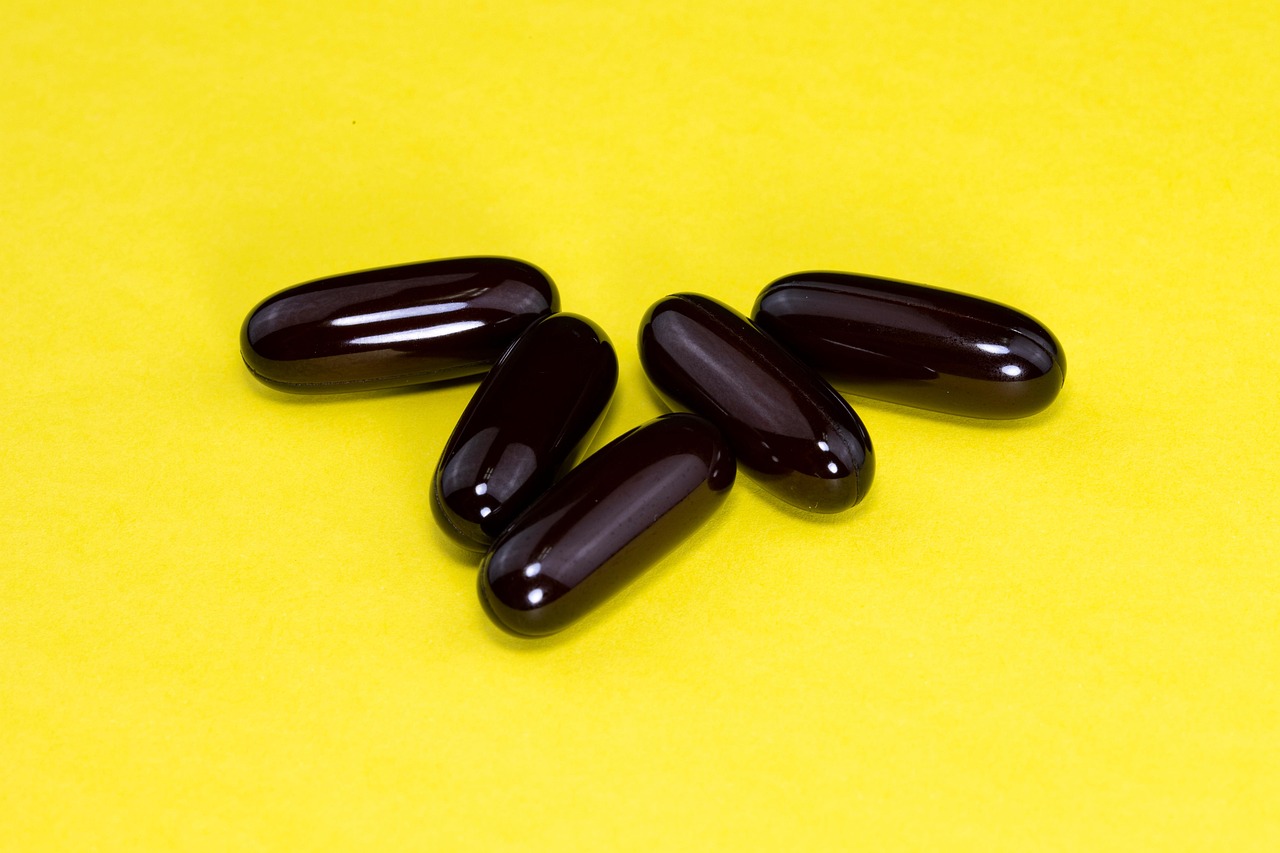
When selecting vitamin supplements for your cat, consider their formulation carefully. Supplements come in various forms, including capsules, powders, chews, and liquids. Each type has different palatability and ease of administration based on your cat’s preferences. For instance, some cats may readily accept chewable vitamins, while others might resist powders or liquids. Assess your cat’s preferences and behavior to find the most suitable format for them. It’s essential to ensure that the chosen form is easy for your cat to consume without causing unnecessary stress or difficulty. Additionally, always check the shelf life of the supplements. Vitamins can lose potency over time, becoming ineffective or even harmful. Proper storage according to the manufacturer’s instructions helps maintain their quality and efficacy. Avoid purchasing large quantities of vitamins that may expire before your cat can finish them. Smaller sizes allow for fresher product usage without the risk of spoilage. Ultimately, the right formulation not only encourages your cat to take their vitamins but also maximizes their health benefits.
Incorporating vitamin supplements should complement a balanced diet rather than replace it. A well-rounded diet ensures your cat receives the necessary nutrients to thrive. Regularly assess your cat’s food choices, focusing on high-quality, feline-approved products that contain whole ingredients and sufficient protein levels. Supplementation should bridge any gaps in nutrition, particularly if your cat is a picky eater or has specific dietary restrictions. However, resist the temptation to overcompensate with multiple vitamin supplements. Over-supplementation can cause more harm than good, leading to toxicity risks. That’s where a veterinarian’s expertise becomes invaluable, helping to balance dietary needs accurately. Consider including natural sources of vitamins in your cat’s diet, such as small amounts of cooked fish or poultry, which can provide beneficial nutrients. Always follow feeding guidelines when introducing new foods into their diet to avoid gastrointestinal upset. Remember, a healthy and balanced diet forms the foundation of your cat’s health, and properly chosen vitamin supplements should enhance, not replace, that goal.
Final Thoughts on Cat Vitamin Safety
In conclusion, selecting safe vitamin supplements for your cat requires diligent attention to quality, safety, and your cat’s individual health needs. Consult with your veterinarian to establish appropriate supplementation. Always prioritize purchases from reputable brands that adhere to strict safety testing. Avoid unregulated products that might compromise your cat’s health, and read ingredient labels carefully to avoid harmful additives. By monitoring your cat’s health during supplementation and recognizing any signs of adverse reactions, you contribute significantly to their overall well-being. Further, focus on choosing the right formulation that your cat prefers, as this enhances compliance and benefits. Ensure that supplementation complements a well-balanced diet, promoting optimal health without over-relying on additional products. Ultimately, proactive efforts in supplement selection and ongoing communication with your veterinarian lead to better health outcomes for your feline friend. Keep educating yourself on feline nutrition to make informed decisions that positively impact your cat’s life. Your care and diligence play a crucial role in their long-term health and happiness. With the right approach, vitamin supplements can be a valuable addition to your cat’s routine.
Always remember that the safety of vitamin supplements for your cat is paramount. Never hesitate to ask questions and seek guidance on vitamin options from trusted sources. Knowledge about feline nutrition and vitamins equips you to make better decisions for your pet’s health. Whether you are a longtime cat owner or new to the experience, being proactive in choosing safe supplements allows for a healthier feline companion.