
Bow Tie Safety Tips: Ensuring Comfort and Security for Your Dog
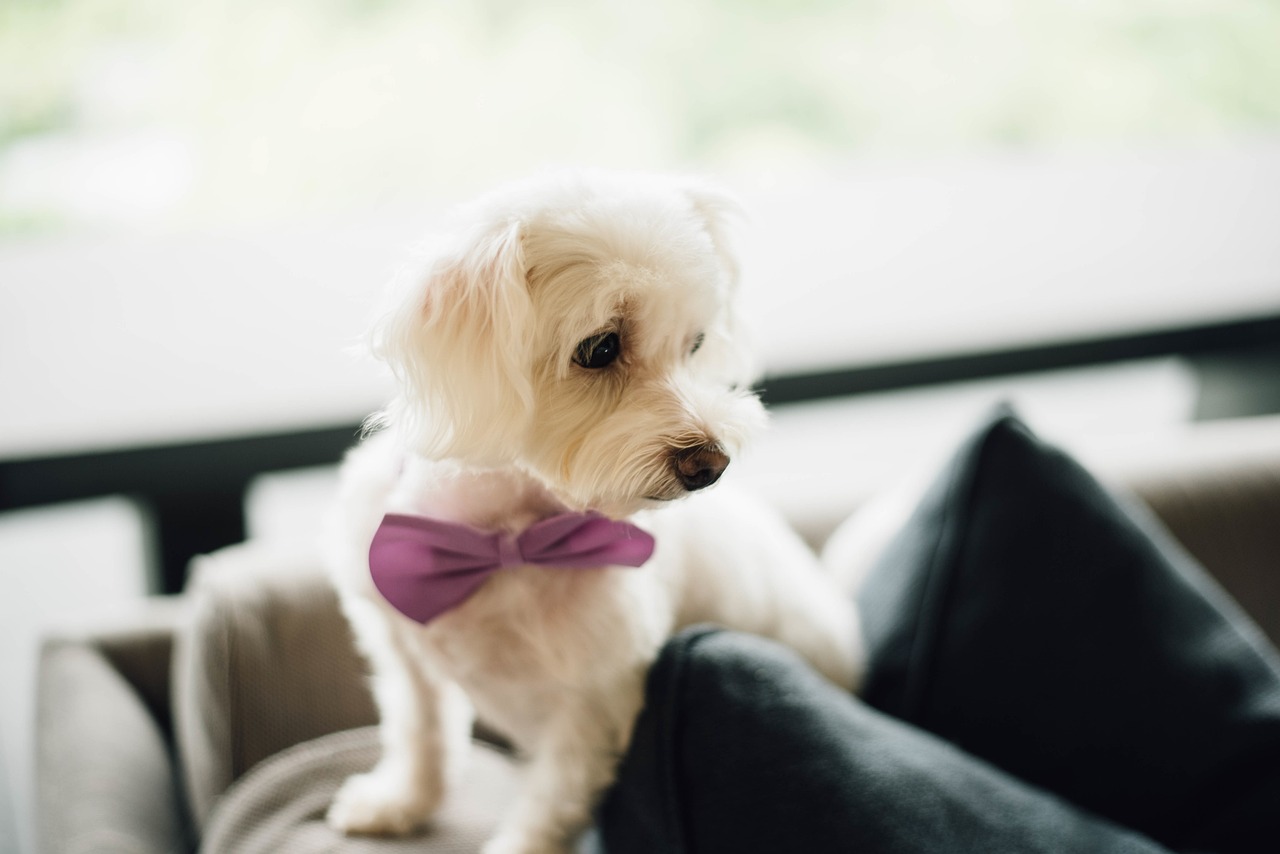
When choosing a bow tie for your dog, safety must be your foremost priority. Selecting a comfortable and secure accessory involves considering several essential factors, including size, material, and design. A proper fit is vital, as a bow tie that is too tight could lead to choking hazards, while one that is too loose might cause your dog to trip or catch it on objects around the house. Consider materials that are not only stylish but also soft and non-irritating to your pet’s skin. Fabrics like cotton or a blend with polyester can be great choices, offering both comfort and durability. When shopping, examine the fastening mechanism; opt for clips or adjustable straps that provide security without compromising on ease of use. Additionally, keep your dog’s overall activity level in mind – if your pup is a playful or energetic type, ensure the bow tie won’t obstruct their movements. By taking the time to investigate these essential elements, you can select a bow tie that enhances your dog’s appearance while keeping them perfectly safe and comfortable.
Types of Bow Ties
Bow ties come in various styles and materials, each offering unique aesthetics and safety features. Classic bow ties, for instance, present a timeless look that never goes out of fashion. They typically fasten securely under the dog’s collar, minimizing the risk of accidental removal. For more playful designs, consider self-tie or pre-tied options, which can add a fun flair to your dog’s outfit. However, ensure that these choices are appropriately sized to prevent any hassles or dangers. Breakaway bow ties are an innovative option, designed to release under pressure, providing a safety feature that is particularly important for active dogs. This can prevent choking or injury during rough play. Eco-friendly bow ties are also gaining popularity, made from sustainable materials that are safe for the environment and your pet. Finally, you might explore customizable options, where you can add your dog’s name or other unique elements to really make the accessory theirs. Researching these types will help you choose a bow tie that matches not only your dog’s personality but also ensures their safety.
Considerations for your dog’s safety extend beyond the bow tie itself. Regularly inspect the accessory for wear and tear, as this can significantly impact its reliability. If you notice any fraying, torn seams, or weakened fastenings, it’s time to replace the bow tie. Additionally, pay attention to the dog’s behavior while wearing the bow tie. If your pet seems uncomfortable or attempts to remove it frequently, you may have selected the wrong size or type. Allow your dog to acclimate to wearing a bow tie, starting with short periods and gradually increasing the duration until they’re fully comfortable. It’s also prudent to take the bow tie off during playtime or while the dog is unsupervised, to eliminate any risk of injury. Always keep in mind the possibility of your dog getting caught on furniture or other objects, so exercise caution during activities. Finally, when washing the bow tie, adhere to the care instructions to preserve both appearance and integrity. Taking these steps will ensure that your dog’s bow tie not only looks great but remains a safe accessory.
Choosing the Right Colors and Patterns
Choosing the right colors and patterns for your dog’s bow tie can be both fun and practical, as some hues work better for specific occasions or seasons. For formal events like weddings or holidays, classic colors like black, navy, or red are timeless options. You can also consider seasonal patterns such as floral prints for springtime or plaid for the autumn season. The color scheme should complement your dog’s fur, adding to their overall aesthetic on social media or in photos. Light-colored ties stand out beautifully against dark fur, while darker options may enhance lighter shades. However, don’t forget to consider visibility. Bright colors and reflective materials can help your dog be seen more easily during outdoor adventures, enhancing safety during walks after sunset. Additionally, consider the dog’s personality! Energetic and playful pups may sport funky patterns, while more subdued dogs might prefer classic styles. Remember to keep the event’s theme and setting in mind when picking the pattern – a bold print might be perfect for a picnic, but might seem out of place at a formal gathering.
Another vital aspect of bow tie safety is understanding when and where it’s appropriate to dress your dog. Not all scenarios require your dog to wear a bow tie. For example, during playdates or active outdoor excursions, it’s wise to leave the bow tie off to prevent any potential accidents. Conversely, special events, family gatherings, and pet-friendly occasions are excellent opportunities to let your dog shine in a stylish accessory. It’s important to know your dog’s comfort level in different environments and assess their mood. Some dogs may feel more at ease and enjoy wearing accessories, while others might find them confining or stressful. In these cases, opt for whether or not your dog needs to wear a bow tie based on their specific personality and energy. Consider introducing it gradually to ensure they associate positive experiences with it, rewarding them with treats or praise when they wear it without fuss. This will help to create positive associations that allow them to enjoy the accessory safely and comfortably.
Training Your Dog to Wear a Bow Tie
Training your dog to wear a bow tie can be a rewarding experience for both of you. Start slowly, allowing your dog to sniff and become familiar with the accessory before placing it around their neck. Positive reinforcement plays a crucial role—use treats and praise to create a connection to wearing the bow tie. Begin with short intervals and gradually increase the time as they adapt. Monitor their reactions closely; if they show signs of distress or discomfort, remove the bow tie immediately. It’s essential to instill a sense of calm and relaxation regarding wearing the accessory. You might begin to associate wearing the bow tie with enjoyable activities, such as going for a walk or meeting other pets, reinforcing the positive behavior. Another effective method is to have some fun play sessions while they wear the bow tie, allowing them to associate it with joy. Over time, your dog will become more comfortable and secure wearing a bow tie, ultimately adding a charming touch to their appearance. This gradual approach ensures their comfort and safety while wearing accessories.
Finally, remember that a bow tie is not just a fashion statement; it must also fit into an overall care routine for your canine companion. Regular grooming practices can complement the overall look, highlighting your dog’s bow tie. Keeping their coat clean and tidy enhances the accessory’s appeal and ensures that your pet looks their best. Additionally, consider the weather when dressing your dog; a bow tie may not be suitable in extremely hot or cold conditions. During warmer months, choose lightweight fabrics, ensuring your dog remains comfortable. In winter, keep them warm and dry, possibly reserving the bow tie for indoor events. Always stay attentive to how the bow tie interacts with any other gear your dog wears, such as collars or harnesses. Ensure that all components work together without adding unnecessary bulk or discomfort. Lastly, making your dog wear a bow tie can become a fun bonding activity. The shared experience of dressing them up brings joy and enhances your relationship, all while ensuring comfort and safety!