
Recognizing Signs of Food Guarding in Dogs
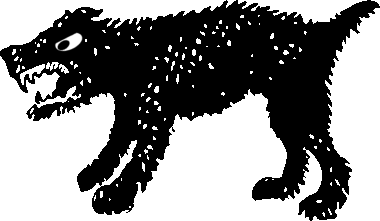
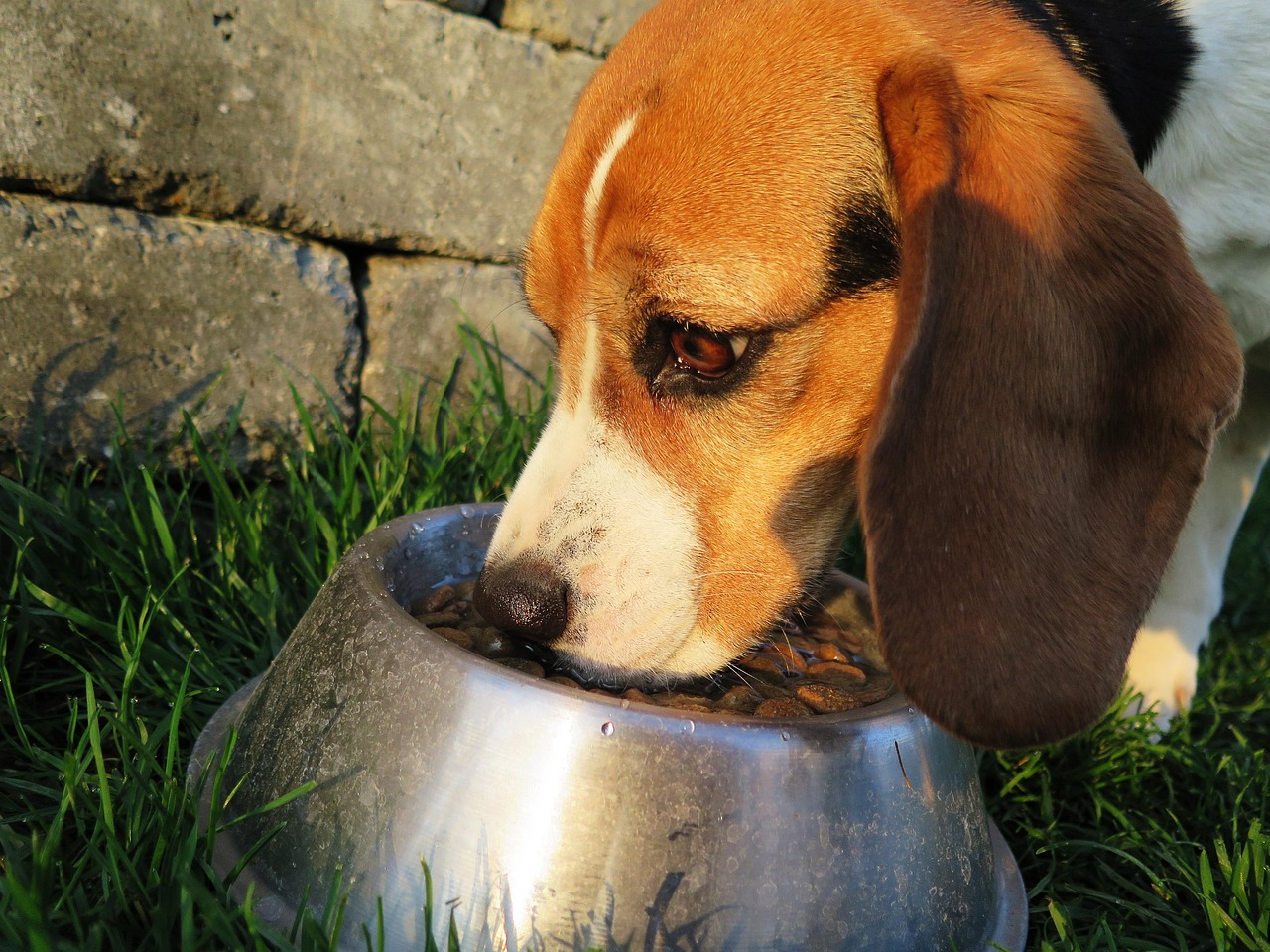
Food guarding is a common behavioral issue in dogs, which poses significant challenges for pet owners. It refers to dogs displaying aggression or defensive behavior when someone approaches their food bowl. These dogs attempt to protect their food from perceived threats. If you have noticed your dog exhibiting certain signs during feeding times, it is critical to address the behavior. Various signs may indicate food guarding, such as growling, showing teeth, or stiffening their body. Often, these behaviors stem from anxiety or a history of food scarcity. Moreover, food guarding may also manifest when dogs resource guard against other pets or even unfamiliar people. Identifying the early signs helps to prevent escalation. In addition to growling and aggression, dogs may also display fearful body language, such as backing away or attempting to flee. Understanding these behaviors ensures you can address them effectively. In the long term, proper training techniques and behavioral modification can assist in alleviating these issues. Consult a professional trainer or behaviorist for tailored advice and strategies. Ignoring the problem can lead to more severe aggression and safety risks for everyone involved.
Recognizing food guarding tendencies early can significantly help in managing aggressive behaviors. Dogs often display subtle signs long before aggressive actions, which makes monitoring behavior crucial. For instance, if your dog exhibits anxiety when you approach their bowl or attempts to block access, consider this a red flag. It’s vital to observe their body language; stiff posture, raised hackles, and a direct stare are warning signs. Dogs may also resource guard their luxuries, such as toys or personal spaces, which can exacerbate feeding issues. Training your dog using positive reinforcement can help mitigate these aggressive tendencies. Encouraging calm behavior during meal times is essential for fostering a secure environment. Moreover, establish a dedicated space for feeding that minimizes disturbances. Create a routine that decreases stress levels for the dog. Gradually conditioning your dog to accept interruptions while eating helps in reducing food guarding behaviors. By associating the presence of people with positive experiences, you can reduce their anxiety and aggressiveness. Consider feeding your dog in a crate or a designated quiet area, where they feel safe and comfortable. This step can significantly minimize their perceived need to guard food.
Training Strategies to Reduce Food Guarding
Implementing effective training methods is essential for reducing food guarding behaviors. Start by desensitizing your dog to your presence during meal times. Gradually approach their feeding area while providing treats or positive praise to create a positive association. For instance, drop treats near their bowl while they are eating to encourage a more relaxed attitude. Over time, this process reduces anxiety related to food guarding. Additionally, practice the “leave it” command, as it helps dogs develop better impulse control. Training sessions should be short and rewarding, using a consistent approach to reinforce good behavior. Another technique involves teaching your dog to sit and wait before feeding them. By doing so, you establish control during meal times, which can lessen their food guarding behavior. Involve family members in the training to ensure consistency; everyone should approach feeding in the same manner. Positive reinforcement builds trust and reduces anxiety levels. If the aggression persists or worsens, consult a professional dog trainer who specializes in behavior modification. Early intervention is crucial for ensuring a harmonious home environment for both you and your dog.
Creating a safe environment is part of managing food guarding problems. The feeding space should be quiet and free from distractions, thus minimizing stress. For instance, using a crate or a separate room while feeding may help dogs feel secure. Consistency is key. Maintain regular feeding schedules to help your dog anticipate and feel secure during meal times. When you consistently provide food and ensure no threats, your dog can gradually learn that there is no need to guard their resources. You may also consider using puzzle feeders or interactive toys to promote mental stimulation and reduce their fixation on guarding behavior. These feeders can slow down their eating habits while providing a distraction. Always supervise feeding sessions initially, particularly when multiple pets are involved. It ensures you can intervene quickly if a guarding behavior arises. Additionally, address any conflicts between pets regarding food. Separate feeding areas for other pets can eliminate competitive behavior. Assess each dog’s comfort level around the food source, ensuring they all feel safe. This will create a peaceful atmosphere where every pet can enjoy their meals without fear.
Understanding Your Dog’s Emotions
A comprehensive understanding of canine emotions is crucial when addressing food guarding issues. Dogs lack the ability to express themselves verbally, resulting in aggressive behaviors as forms of communication. Understanding canine psychology can help pinpoint the root causes of aggression during feeding times. Many dogs display guarding behavior due to past experiences with food scarcity or competition. Recognizing your dog’s emotional state can illuminate their behavioral patterns. They may feel vulnerable or insecure around their food, leading to defensive actions. Providing them with individual attention and ensuring their needs are met promotes a sense of security. Pay special attention to their reactions; body language holds significant meaning. Watching for signs of stress, such as panting, lip licking, or yawning, can help gauge their emotional state. Similarly, signs of happiness, such as wagging tails and playful behavior, should also be noted during interactions with food. Emphasizing proactive training methods allows owners to tackle aggression issues humanely and effectively. Developing an engaging routine, fostering trust, and boosting confidence through various activities can empower your dog to feel more secure during feeding.
Overcoming these behavioral challenges requires time, patience, and commitment from the owner. It’s crucial to remain calm during training and feeding sessions. Reacting negatively or with frustration can worsen aggressive behaviors in dogs. Positive reinforcement is more effective than punishment; rewarding good behavior fosters a healthy interaction at meal times. It’s essential to celebrate the small victories, improving your dog’s confidence and trust. Regularly monitoring your dog’s feeding habits and behavior will illustrate their progress, helping owners adjust training techniques accordingly. Additionally, document their reactions to various situations surrounding food; keeping a journal of feeding experiences helps identify triggers for aggressive behavior. Furthermore, always employ a consistent approach in dealing with aggressive situations. For example, if the dog growls or shows aggression, avoid confronting them head-on. Instead, calmly create distance and remove the food source, establishing a secure environment. This method encourages dogs to feel safe rather than threatened during potentially frightening scenarios. Work with professional trainers to enrich your knowledge and skills. Continuous education enables pet owners to address food guarding issues holistically and effectively with appropriate solutions.
Conclusion and Ongoing Care
In conclusion, dealing with food guarding behaviors in dogs takes time and dedication. The goal is to cultivate a trusting and safe environment where they feel secure while eating. Recognizing the signs of food guarding early on is instrumental in preventing more significant problems down the line. Engaging with your dog through positive reinforcement techniques fosters better relationships. Furthermore, understanding their emotions and providing individual attention will help your dog feel cared for and secure. The training strategies discussed will build your dog’s confidence, reducing aggression during feeding. Always maintain a consistent routine and be compassionate during their growth process; each dog is unique and may respond differently. Evaluation and adjustment are essential in this journey. If challenges persist, do not hesitate to seek professional guidance tailored to your dog’s specific needs. Surround them with patience and love will encourage positive development over time. With diligence and understanding, pet owners can effectively manage food guarding behavior, leading to a harmonious environment for both dogs and families. Remember, the bond between pet owners and dogs requires continuous nurturing, thus fostering lasting trust and companionship.
Conclusion and Ongoing Care
In conclusion, dealing with food guarding behaviors in dogs takes time and dedication. The goal is to cultivate a trusting and safe environment where they feel secure while eating. Recognizing the signs of food guarding early on is instrumental in preventing more significant problems down the line. Engaging with your dog through positive reinforcement techniques fosters better relationships. Furthermore, understanding their emotions and providing individual attention will help your dog feel cared for and secure. The training strategies discussed will build your dog’s confidence, reducing aggression during feeding. Always maintain a consistent routine and be compassionate during their growth process; each dog is unique and may respond differently. Evaluation and adjustment are essential in this journey. If challenges persist, do not hesitate to seek professional guidance tailored to your dog’s specific needs. Surround them with patience and love will encourage positive development over time. With diligence and understanding, pet owners can effectively manage food guarding behavior, leading to a harmonious environment for both dogs and families. Remember, the bond between pet owners and dogs requires continuous nurturing, thus fostering lasting trust and companionship.