
Signs Your Dog May Have Allergies Related to Shampoo
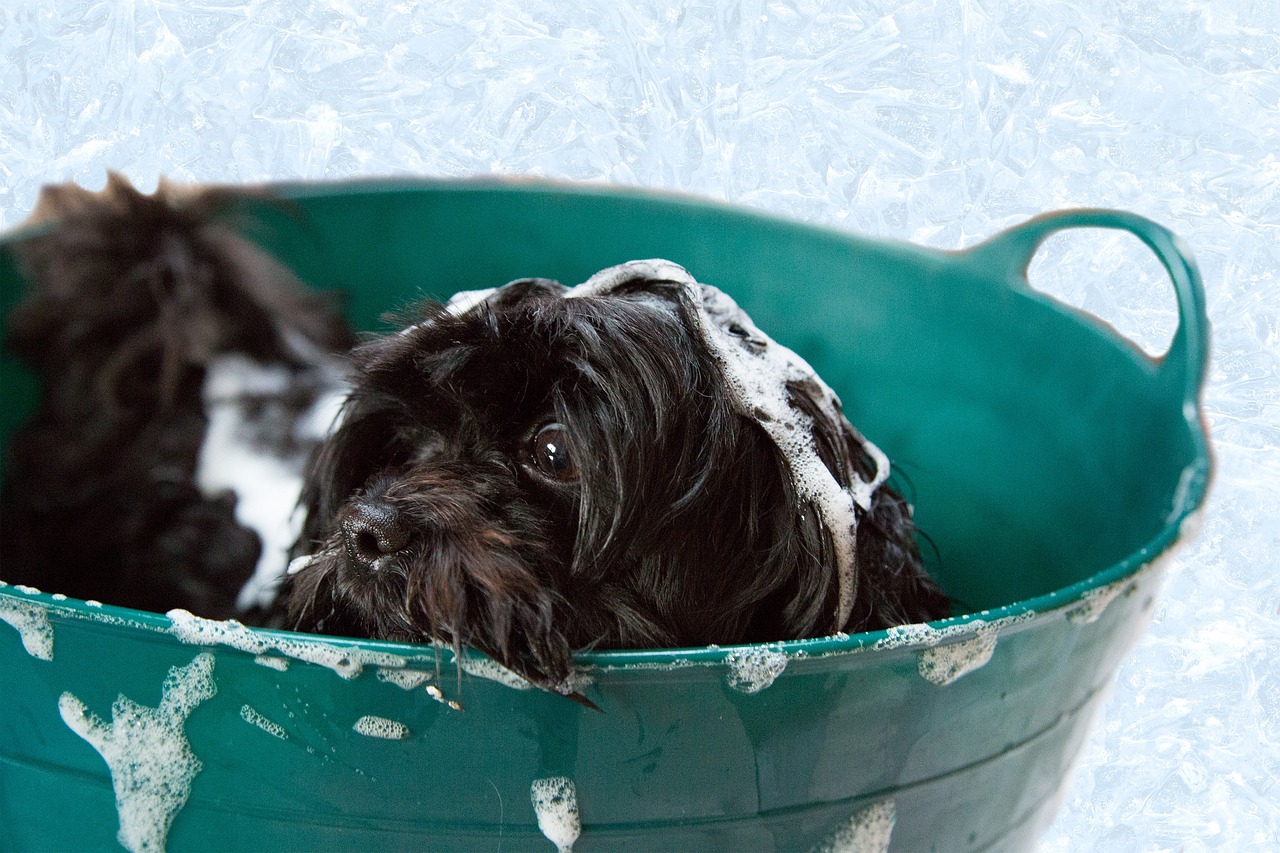
Dogs can develop allergies to various substances, including shampoos, which can lead to noticeable changes in their health. One of the first signs of shampoo allergies in dogs is persistent itching. If your dog starts scratching, biting, or licking its skin excessively after a bath, it may indicate an allergic reaction. Allergies may cause the skin to become inflamed, which can worsen the itching sensation, leading to a distressing cycle. Another common sign is redness or irritation on the skin. If you notice any inflamed patches or rashes forming after bathing, pay close attention. This irritation could signal that your dog is allergic to the shampoo used during grooming. Moreover, the dog’s behavior may change; a previously calm dog may become anxious or irritable due to discomfort caused by allergies. Additionally, look for signs of hair loss or thinning coat, as scratching can lead to these issues. If the symptoms persist, consider consulting a veterinarian, as they can offer guidance in identifying the specific allergy and recommend appropriate treatments for your dog.
Moreover, dogs that are experiencing allergies related to shampoo may also exhibit unusual odor. While shampoo is intended to clean and freshen pets, skin reactions can result in persistent and unpleasant smells. If your dog has a strange smell that doesn’t go away after a bath, it might be a sign of an allergic reaction. Another symptom to note is digestive upset, including vomiting or diarrhea immediately following a bath. Allergies can lead to gastrointestinal issues as the immune system reacts to allergens. Furthermore, watch out for excessive shedding; dog owners may find clumps of hair accumulating in corners when their pet has developed an allergy to a product used on their skin. This is often accompanied by a dry, flaky coat condition. It is essential to carefully examine the ingredients of the shampoo. Ensure you are using hypoallergenic and dog-safe products. Consult your veterinarian for recommendations on suitable shampoo options. Early detection of allergies is crucial; doing so can prevent discomfort and protect your dog’s skin health.
Skin Changes and Infections
In severe cases, skin infections can occur secondary to allergies. If your dog’s skin condition worsens, consult a vet to rule out infections that may require topical antibiotics or other treatments. Allergies can lead to inflammation, creating a breeding ground for bacteria or fungi. Pay attention to any swelling or pustules, as these may indicate an infection that has developed due to the repeated scratching and irritation. Keeping the skin clean and well-maintained is vital; regular baths are essential, but be cautious about the products used during grooming. Regularly check their skin for signs of infection and dermatitis as these conditions can exacerbate allergic reactions. Another important note is to introduce new grooming products gradually. If you recently switched shampoos, consider going back to the previous one to determine if it alleviates the symptoms. This decision can be helpful in identifying the specific shampoo causing issues while providing relief. Monitoring your dog’s grooming routine while observing any changes can pave the way for a more comfortable and healthy grooming experience.
It’s also essential to monitor your dog’s overall health alongside any signs of shampoo allergies. If your dog has a pre-existing skin condition or a compromised immune system, they may be more sensitive to various ingredients in shampoos. This sensitivity can complicate their grooming process, leading to additional discomfort. Additionally, note that seasonality plays a role in allergic reactions. Some allergies might worsen during specific seasons due to environmental allergens, leading to confusion for pet owners. It’s critical to keep a journal documenting the products used and their dog’s reactions over time. Such records will be beneficial during veterinary consultations, providing your vet with detailed insight into specific allergens. Hypoallergenic products may be the solution if your dog continuously experiences distress. It’s essential to work with your veterinarian to find the right balance to maintain your dog’s hygiene without causing irritation or allergic response. Always listen and observe your dog’s body language and behavior; it’s vital for their well-being, and it ensures they stay comfortable and healthy throughout their bathing routines.
Consulting a Professional
If you suspect your dog is allergic to their shampoo, consulting a veterinarian is advisable. A professional can perform allergy tests to determine specific sensitivities and suggest appropriate treatments. This may involve switching to a different shampoo or medication to alleviate symptoms. It’s important to approach the situation proactively; delaying can lead to more severe reactions or complications. Keep the pet’s bathing routine consistent but change products cautiously. Also, investigate natural grooming options as certain natural shampoos are less likely to cause allergic reactions. Products containing natural ingredients, free from harsh chemicals, are often more suitable for sensitive skin. The veterinarian may recommend customizing a shampoo that caters specifically to your dog’s needs. Pay special attention to how a shampoo is formulated, as many on the market may contain fragrances or preservatives that trigger allergies. If your dog has seen improvements after switching shampoos, keep monitoring them for further reactions. This vigilance allows you to maintain their grooming routine while ensuring their comfort and safety, ultimately enhancing their quality of life.
When transitioning to a new grooming routine or product, you’ve learned your dog’s allergies, proceed with caution. Gradually introduce any new products instead of making sudden changes, allowing your dog’s skin to adapt to the new texture and ingredients. Continuous observation is vital during this transition phase; it will help you identify any adverse reactions quickly. Be patient while trying various hypoallergenic or natural shampoos, as it may take time before finding the one that works best for your sensitive pet. It’s also beneficial to consult your groomer for their insights, as they may have encountered similar cases and can suggest appropriate solutions. Moreover, ensure that your dog is not exposed to the shampoo for too long during bathing. Following the recommended application times as stated by the product’s guide is important. Rinse thoroughly after shampooing to prevent residue from remaining on the skin, which could further irritate sensitive areas. Ultimately, grooming should lead to a healthy, shiny coat and not an allergic reaction nor discomfort, setting an agreeable standard for dog grooming.
Conclusion
In conclusion, as a responsible pet owner, understanding your dog’s grooming needs is essential for their well-being. Being alert to signs indicating allergies related to shampoo can significantly impact their comfort and overall health. Symptoms such as excessive scratching, bumps or rashes on the skin, and general changes in behavior should all prompt further investigation into potential allergens in products used during bathing. Regular check-ups with your veterinarian can assist in preventing severe reactions while allowing for a tailored grooming approach. Never hesitate to seek professional guidance if your dog exhibits any unusual symptoms; they could be linked to allergic reactions that require prompt attention. Your experience as a dog owner should also include taking proactive measures in monitoring what products are safe for your pet. A healthy grooming routine should ensure cleanliness and freshness, but it should never come at the cost of distress or discomfort. By prioritizing your dog’s skin health and being mindful of their reactions, you foster a loving and responsible environment that promotes their well-being and happiness.
Signs Your Dog May Have Allergies Related to Shampoo
Dogs can develop allergies to various substances, including shampoos, which can lead to noticeable changes in their health. One of the first signs of shampoo allergies in dogs is persistent itching. If your dog starts scratching, biting, or licking its skin excessively after a bath, it may indicate an allergic reaction. Allergies may cause the skin to become inflamed, which can worsen the itching sensation, leading to a distressing cycle. Another common sign is redness or irritation on the skin. If you notice any inflamed patches or rashes forming after bathing, pay close attention. This irritation could signal that your dog is allergic to the shampoo used during grooming. Moreover, the dog’s behavior may change; a previously calm dog may become anxious or irritable due to discomfort caused by allergies. Additionally, look for signs of hair loss or thinning coat, as scratching can lead to these issues. If the symptoms persist, consider consulting a veterinarian, as they can offer guidance in identifying the specific allergy and recommend appropriate treatments for your dog.