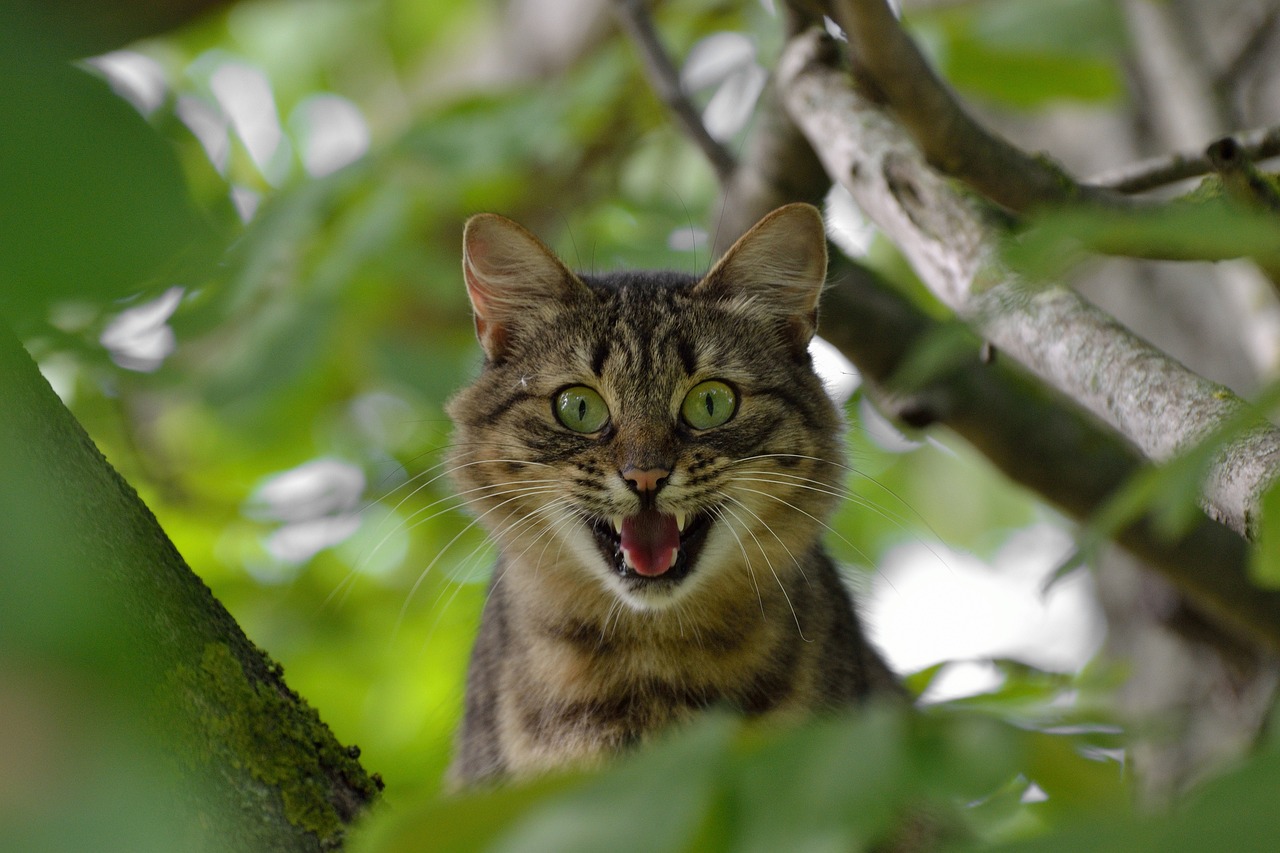

The Role of Environment in Reducing Cat Aggression
Understanding cat aggression is crucial for effective management. Cats can display aggressive behavior due to various reasons, including fear, territoriality, and frustration. The environment plays a significant role in shaping a cat’s behavior. When cats feel secure in their surroundings, they are less likely to exhibit aggressive tendencies. Environmental factors include the layout of their living space, presence of resources, and the influence of other pets. Creating a safe environment can begin with providing vertical spaces, such as cat trees, which give cats a sense of security and control. Ensuring that each cat has access to shelter, litter boxes, and food stations can prevent competition and reduce stress. Additionally, enriching the environment with toys and interactive activities helps channel a cat’s natural hunting instincts away from aggression. Lastly, creating a routine helps reduce anxiety in cats, contributing positively to their well-being. Understanding this connection between environment and behavior helps owners tailor the living space to their feline’s needs, ultimately supporting a more harmonious household.
One of the most effective ways to manage cat aggression is by ensuring that the environment meets their innate needs. Cats are territorial creatures, and aggression can often arise from perceived threats to their space. By providing multiple safe zones and personal areas for each cat, owners can minimize territorial disputes. This includes individual spots for eating, sleeping, and litter placement. Additionally, territorial markings are essential for cat behavior; hence providing scratching posts helps them mark territory without damaging furniture. Creating a diversified living area with different textures, heights, and hiding spots can significantly calm an aggressive cat. These spaces should cater to climbing and perching, which aligns with a cat’s natural hunting instincts. When cats can observe their environment from a safe height, it boosts their confidence. Regularly changing the layout of their environment can also keep them stimulated and less likely to focus on aggression. Reducing visual and auditory stressors, such as loud noises or aggressive pets, is pivotal in calming a cat. Overall, intentional environmental adjustments can reduce a cat’s aggression effectively.
Socialization is another vital aspect of managing cat aggression through environmental considerations. A well-socialized cat is typically more resilient to changes in their environment. Early social experiences contribute to a cat’s ability to cope with new situations and other cats or pets in the home. By encouraging positive interactions from an early age, owners can foster better behavioral responses towards unfamiliar stimuli. Safely introducing new pets into established households can help alleviate territorial aggression. Gradual acclimatization — allowing the resident cat to become acquainted with new scents and sounds — is crucial. Using scent swaps and supervised meetings can also ease the transition. Implementing positive reinforcement techniques during these introductions can strengthen bonds, promoting non-aggressive behavior. Furthermore, ensuring that all pets receive equal attention and resources can mitigate feelings of jealousy or competition. The owner’s response to aggressive behavior significantly impacts social dynamics; promoting calm and assertive leadership helps create a harmonious environment. Learning to recognize and respond to signs of social stress or aggression quickly can prevent further escalation in behavior.
Environmental Enrichment and Play
Environmental enrichment is essential in managing cat aggression and fostering positive behaviors. Engaging in interactive playtime provides physical stimulation and mental engagement for cats, reducing potential stressors that lead to aggression. A variety of toys, such as feather wands and laser pointers, can facilitate play that mimics hunting scenarios. Regular scheduled play sessions not only bond the cat with the owner but also allow the cat to expel excess energy safely. Incorporating puzzle toys or treat-dispensing mechanisms encourages independent play and stimulates cognitive functions, which can alleviate boredom — a common catalyst for aggressive behavior. Environmental enrichment should strive for variety and adaptability; rotating toys periodically maintains novel engagement levels. Providing opportunities for exploration through hiding treats or toys around the home keeps cats mentally agile. Installing cat shelves or tunnels encourages exploration and satisfies the instinct to climb and hide. Lastly, allowing windows for outdoor viewing exposes cats to environmental stimuli, minimizing boredom and potential frustration. Enriching the environment can significantly enhance overall feline well-being, which mitigates aspects of aggression.
The physical layout of a home also greatly influences a cat’s behavior. Open spaces that allow safe movement prevent feelings of confinement, which can lead to aggressive responses. When designing a cat-friendly environment, consider multiple escape routes and vertical spaces, which enable cats to navigate their territory without conflict. It’s important to manage clutter in shared living spaces where cats reside. A tidy environment minimizes visual stressors that might trigger anxiety or aggression. Adding calming elements like soft blankets or covered beds can create spaces where cats feel secure. Moreover, maintaining a clean litter space and ensuring it’s located away from high-traffic areas is critical in reducing stress. Dampening loud sounds, such as setting soft background music, can help calm anxious cats. Ultimately, avoiding confrontation in shared spaces, such as feeding two cats close to each other, can reduce aggression. Instead, feeding them in separate, quiet areas can foster peace. Every adjustment contributes to a cat’s comfort; thus an owner’s intent to manage their home environment thoughtfully can lead to calmer, happier cats.
Another important aspect of reducing cat aggression lies in habit formation and routine. Cats thrive on consistency, and changes can lead to stress-induced aggressive behavior. Establishing a structured daily routine, including feeding, play, and quiet time, provides security and predictability for cats. This can significantly reduce anxiety as it minimizes surprises that can provoke aggression. Additionally, owners should maintain a clean and organized environment, mirroring their set routines. Unpredictable changes, such as rearranging furniture or introducing new pets, should be done gradually and thoughtfully, allowing cats to acclimate at their pace. Transitioning items such as cat trees or beds should be approached gently to reduce feelings of loss or disruption. Keeping track of any behavioral patterns helps owners identify triggers that may lead to aggression, allowing for adjustments at the very source. Observing a cat’s reactions to different setups affords the opportunity to create a stable environment. Overall, building trust through regularity and stability can drastically decrease the likelihood of unwanted aggression.
Conclusion: Safety in the Environment
Creating a safe environment is essential for managing and reducing cat aggression effectively. Owners need to understand their cats’ unique behaviors, habits, and triggers when tailoring their living spaces. A thoughtful, cat-friendly environment promotes behavioral health, minimizes aggression, and ultimately leads to a happier relationship between cats and their families. By ensuring each cat has adequate resources, space, and opportunities for engagement and exploration, the likelihood of conflict diminishes. Additionally, providing structures that cater to their instincts fosters an atmosphere filled with enrichment. Owners should continuously assess their environments for potential stressors and adjust accordingly, maintaining their cat’s well-being. The goal should be creating a harmonious household where cats feel secure and confident. If aggression persists, seeking advice from veterinary behaviorists can offer further insights and interventions. Ultimately, with consistent efforts and understanding, pet owners can create a safe and positive environment that is aligned with their cat’s wellbeing, reducing aggressive encounters and enhancing the quality of life for all pets at home.
Overall, understanding the role of the environment plays a critical function in mitigating aggressive behaviors in cats. Any alterations made by an owner revolve around acknowledging the dual nature of a cat’s behavior: their instinctual tendencies and the impact of situational stressors. Recognizing triggers, both environmental and emotional, allows owners to adapt their space proactively in fostering a positive ambiance. With proper education on cat behavior and environmental influences, owners are more equipped to cultivate an atmosphere promoting peace and stability. The experience of managing cat aggression transitions from one of frustration to empowerment when owners are aware of their environment’s effect on a cat’s behavior. Setting aside time for creating engaging experiences fosters trust and harmony. By incorporating multi-dimensional environments tailored to promote a cat’s natural disposition and engaging them in daily activities, aggression levels can be kept in check. Not only does this approach improve the quality of life for cats, but it also strengthens the bond between them and their owners. Safety and comfort remain the priority in every pet owner’s approach, ultimately leading to effective aggression management in feline companions.