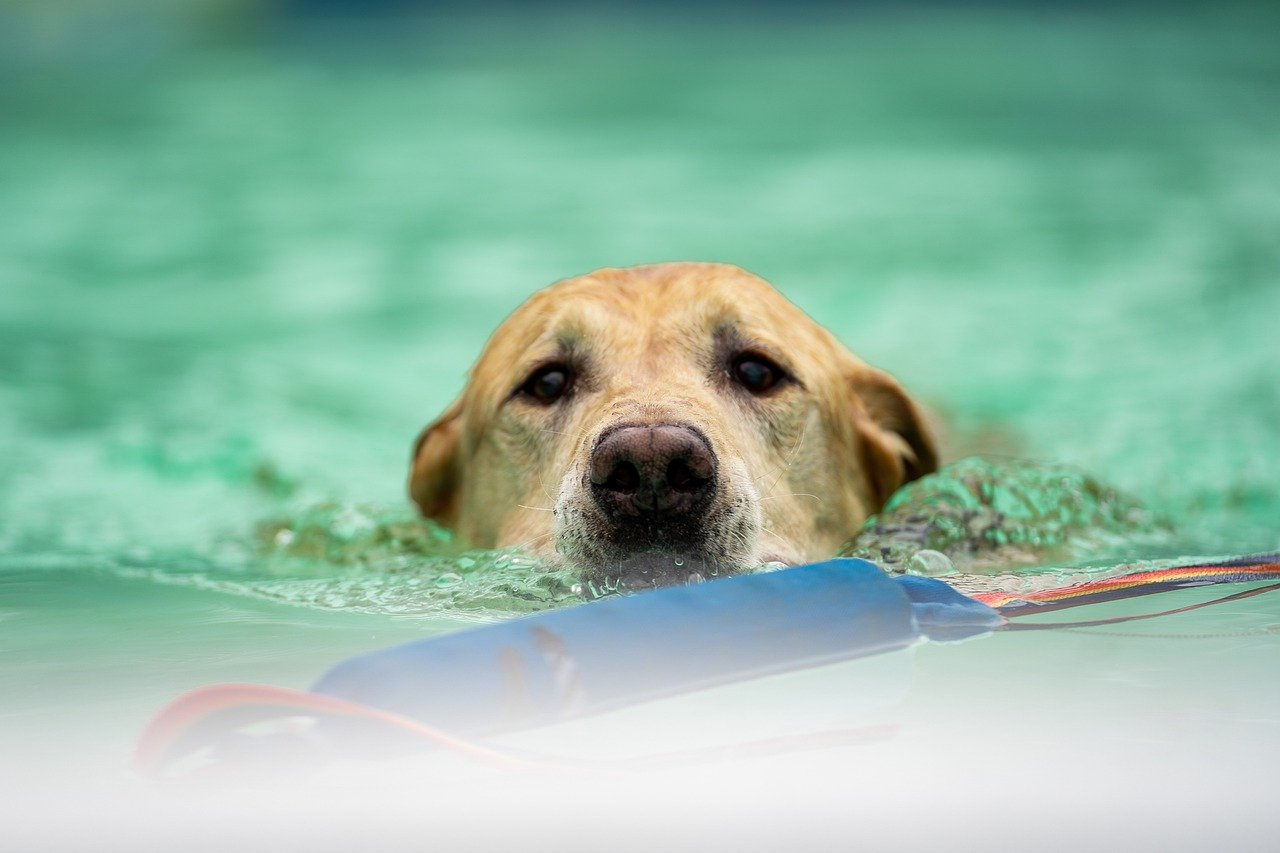

Using Toys and Games to Enhance Rescue Dog Training
Training rescue dogs requires specific techniques that can effectively teach them basic commands and improve their behavior. One of the most effective methods involves the use of toys and games, which not only motivate the dogs but also make training sessions enjoyable. These activities can help gain a dog’s attention, increase focus, and foster a positive learning environment. Utilizing toys encourages engagement with the training process, and it allows trainers to bond with the dogs. For example, a simple game of fetch can teach dogs how to respond to commands while developing their retrieving skills. Moreover, games can reinforce concepts such as patience and impulse control, essential traits for rescue dogs. Positive reinforcement techniques, combined with toys, can significantly enhance recall commands as dogs learn to associate play with obeying commands. The key lies in both the proper selection of toys and understanding the psychology of the rescue dog. Always ensure that toys are safe and durable to withstand the enthusiastic play style of the dogs. In summary, integrating toys and games into training sessions for rescue dogs offers multiple benefits that lead to productive training experiences.
When considering the implementation of toys into rescue dog training, it’s essential to select appropriate toys that foster skills advantageous for the dog’s training. Look for toys that are durable, challenging, and entertaining to keep the dog engaged. Choices can include interactive toys that dispense treats or those that require problem-solving. Playtime should not just be about fun; instead, focus on different types of play that can reinforce various commands. Tug-of-war, for instance, can help reinforce commands like ‘drop it’ or ‘leave it.’ It’s vital to keep training sessions short and upbeat, allowing the dog to naturally associate commands with fun and rewards. Additionally, observe the body language of the dog during play to ensure they are enjoying the activities. If the dog shows signs of stress or disinterest, it might be beneficial to switch up the toy or the training method being used. Adjusting the training approach can rekindle a dog’s enthusiasm for learning. This dynamism is crucial for keeping sessions lively and ensuring that learning remains the priority while also deepening the bond between rescue dogs and trainers.
Incorporating Games into Training Sessions
Integrating structured games into dog training sessions can be a fantastic way to enhance learning outcomes. Games such as hide and seek not only stimulate a dog’s mind but also reinforce the ‘come’ command. Giving the dog a chance to search for hidden treats or toys adds an element of fun and curiosity. Moreover, agility games can help improve coordination while building confidence, which is enormous for rescue dogs. Keep in mind that using positive reinforcement during these games is key; rewarding dogs for their participation enhances their motivation. Consider setting up obstacle courses using safe household items like cones or hula hoops to instigate fun challenges. This not only breaks the monotony of regular training routines but also adds a layer of excitement for the dogs involved. Ultimately, an engaging play-based training method encourages dogs to exhibit desired behaviors naturally and consistently. Trainers can observe how well dogs respond to commands within the framework of a game, providing insight into areas that require more focus. Special attention can be directed toward improving problem-solving skills through interactive and engaging play, which is essential when working with rescue dogs.
Another effective strategy is to develop a toy rotation system to keep dogs excited and curious. With various toys, the novelty factor encourages dogs to engage more actively during training. By regularly changing the toys, dogs will always find something new and challenging to interact with, maintaining their interest during training sessions. Choose different types of toys, such as squeaky toys, balls, or chew toys to cater to the individual dog’s preference. Furthermore, ensure that toys used are appropriate for the dog’s size and chewing habits to prevent hazards. Each session can focus on a different toy to reinforce specific commands. For instance, a squeaky toy can be used to teach recall by commanding the dog to come while enticing them with the noise. The use of such toy-led sessions can create a more positive atmosphere for learning, making it easier for dogs to understand the desired behavior. Keep a log of which toys engage your rescue dog most effectively for future reference. This record helps trainers tailor future sessions to maximize engagement and productivity, aiding in the overall development of the rescue dog’s skills.
Engagement and Bonding Through Play
Building a strong bond between trainers and their rescue dogs facilitates effective learning. Engaging play not only teaches commands but also fosters trust and a sense of security. Activities that promote interaction, such as tugging games or toss-and-fetch, can create powerful connections. The joy displayed by dogs during such interactions showcases their eagerness to connect and respond positively to their trainer. It’s essential to ensure that the games do not become overly competitive, as this can lead to stress and confusion. Implementing friendly games encourages a relaxed atmosphere where dogs feel free to express themselves while learning valuable skills. Moreover, always prioritize socialization by introducing varied environments and encouraging interactions with other dogs and humans during play. Incorporating positive feedback whenever the dog engages in desired behavior reinforces good habits. Treats and praises work tremendously to motivate and boost their confidence. With consistency, the bond formed through these interactive training sessions reaches remarkable depths, resulting in a well-adjusted rescue dog ready to embark on new adventures with its new family.
Establishing boundaries and rules during play sessions is equally important for successful training outcomes. Setting guidelines enables rescue dogs to understand acceptable behaviors during games. For example, incorporating commands like ‘wait’ before allowing the dog to retrieve a toy adds structure to the play. Always pair boundaries with positive reinforcement to ensure that the dog remains motivated. If a dog respects the boundaries, provide plenty of praise and rewards, while gently redirecting any unwanted behaviors. Avoid negative interactions, as these can harm trust and undermine the learning process. Trainers should be patient and clear while helping the dog learn the rules of the game. Remember, the goal is to help the dog build skills while having fun, so maintaining an encouraging atmosphere is key. With routine practices and consistent boundaries in place, dogs will become more comfortable participating in games, enhancing their training experience. The end result is a rescue dog that feels safe, happy, and ready to learn through play, ultimately leading to greater success in the overall training regimen.
Measuring Success Through Play
Evaluating the successes of using toys and games in training sessions requires careful observation and adjustments. Track the dog’s progress by noting the commands that the dog responds to with and without the inclusion of toys. Such documentation helps identify which methods are most effective and allows trainers to adapt their styles accordingly. For instance, if a dog recalls better during fetch games, the incorporation of toys can be expanded. Regularly reassess goals based on ongoing assessments to maximize training outcomes. Also, consider seeking feedback from fellow trainers or rescue organizations for additional insights. Group training sessions can provide a diverse range of skills and games that can be introduced. Additionally, use playtime as a moment of reflection for both trainers and dogs, analyzing what worked well and what could use improvement. Lastly, consistent and clear communication of expectations results in a smoother training experience. Engaging with rescue dogs effectively using toys and games leads to significant improvements in their behavior, social skills, and overall well-being, creating a positive cycle that benefits both the dog and their handler.
Overall, incorporating toys and games into rescue dog training creates a unique opportunity for nurturing positive behaviors effectively. With an emphasis on fun and engagement, trainers and dogs experience a rewarding journey of learning together. Involving play fosters a deeper connection, allows for better communication, and establishes a trusting relationship between the dog and its trainer. Utilizing different toys encourages dogs to stay mentally stimulated and excited about training. Moreover, with varied games, trainers can easily focus on areas where improvement is needed while maintaining a joyful atmosphere. A well-rounded training approach ensures that the rescue dog not only masters commands but enjoys the entire learning process. Always remember to prioritize safety and adapt the training methods based on the dog’s responses. Injecting creativity into training sessions can lead to breakthroughs in behavior management and skill acquisition, ultimately enhancing the chances of successful socialization when integrating clients into permanent homes. Engaging play not only enriches the lives of rescue dogs but also ensures that they grow into well-mannered companions ready for a new chapter in their lives. Lasting bonds formed during these sessions can change both lives for the better.