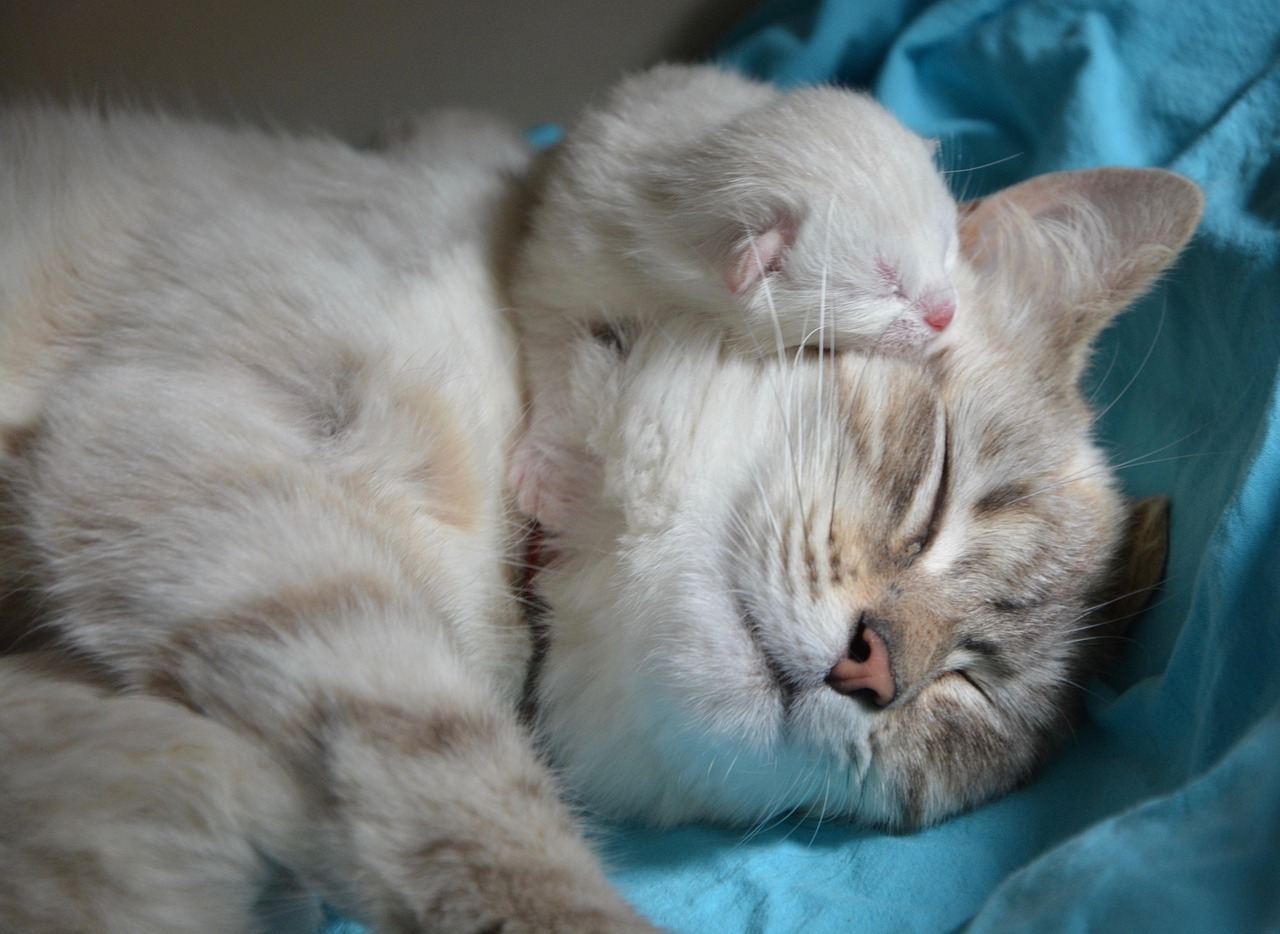

Vaccination and Kitten Socialization: Balancing Risks and Benefits
When it comes to caring for kittens, establishing a comprehensive vaccination schedule is crucial for their health and well-being. Just like humans, kittens are vulnerable to various infectious diseases, which is why vaccinations play a pivotal role. By vaccinating your kitten, you not only protect them from common ailments but also contribute to the overall welfare of the feline population. Vaccinations boost the kitten’s immune system, helping them ward off diseases that can lead to serious health issues or even death. Common diseases include feline viral rhinotracheitis, calicivirus, and panleukopenia. Each of these ailments can cause severe discomfort and distress in kittens, often requiring extensive veterinary care. Therefore, it is important to consult with your veterinarian to determine the appropriate vaccination schedule tailored to your kitten’s unique needs. Additionally, socialization during the vaccination period should be considered, as early exposure to different environments and experiences can significantly influence the kitten’s behavior. Combining both vaccination and socialization efforts will help ensure a healthy and adjusted cat in the long run.
After establishing a vaccination schedule, the focus should also shift to socialization. Socialization is an essential process for kittens, as it helps them develop a stable temperament and social skills. Introducing your kitten to various experiences, people, and other animals can dramatically enhance their confidence and adaptability. It is critical to initiate socialization during the critical period, which spans from around 2 to 9 weeks of age. Kittens exposed to diverse stimuli during this period are more likely to grow into well-adjusted adult cats. Introduce your kitten to different sounds like vacuum cleaners or doorbells, and various surfaces like carpet and tile. Furthermore, meet new friends, both feline and human, through supervised encounters. These experiences should be positive and rewarding, enriching your kitten’s life and nurturing a friendly disposition. As you create a social environment for your kitten, do not forget about the ongoing vaccinations needed, as they protect against potential health risks. By carefully balancing vaccinations and social experiences, you lay a solid foundation for your kitten’s future, ensuring they thrive in various situations as they grow older.
Vaccination Schedule and Its Importance
Crafting the ideal vaccination schedule is vital for any kitten owner, ensuring their furry companion stays healthy. These schedules typically require several vaccines to be administered during their initial months. Core vaccines, such as FVRCP, which protects against rhinotracheitis, calicivirus, and panleukopenia, are usually given at around 6-9 weeks of age, followed by booster shots. Another vital vaccination includes rabies, which should be administered once your kitten reaches 12-16 weeks. It’s essential to adhere to your veterinarian’s recommendations to ensure complete coverage against diseases. Alongside these core vaccines, some kittens might require non-core vaccines depending on their lifestyle and risk factors. For example, a kitten that frequently visits a boarding facility or interacts with other pets may need additional vaccinations like feline leukemia virus. By tracking and monitoring vaccination timings, owners can ensure their kittens receive timely boosters, enhancing their immunity. Keep a vaccination record to relay important information to your veterinarian during check-ups, as this ensures ongoing health and necessary care adjustments if any changes arise. Preventive measures, like adhering to a strict vaccination schedule, contribute significantly to your kitten’s overall health, well-being, and longevity.
As with any aspect of pet ownership, it’s natural to feel overwhelmed with all the information surrounding vaccination schedules and socialization strategies. The key is to approach these topics systematically. Start by consulting outdoor veterinary resources and seeking advice tailored to your kitten’s lifestyle. Take notes during veterinary visits and create a personalized chart outlining vaccination dates and upcoming schedules. Keeping communication open with your vet allows you to stay informed about current research, vaccination updates, and best practices. If you live in an area with a high prevalence of certain diseases, your vet may recommend extra precautions or additional vaccines for your kitten. Furthermore, understanding your kitten’s unique personality will enable you to create a socialization plan that encompasses their comfort level. Some kittens may be more timid, requiring a gradual introduction to new experiences, while others may be more adventurous. Watch your kitten’s reactions during interactions and adapt your approach accordingly. Ensuring that the process remains positive aids in preventing trauma or fear, making vaccinations and socialization both essential and enjoyable parts of your kitten’s development.
The Role of Health Checks Between Vaccinations
Between vaccinations, health checks play a crucial role in monitoring your kitten’s progress and ensuring they remain healthy. Regular vet visits can detect any potential health issues before they become serious and may help determine the right time for vaccination. During these check-ups, your veterinarian will conduct thorough examinations, including assessments of the kitten’s eyes, ears, weight, and overall demeanor. They will also discuss your kitten’s progress regarding socialization, noting any behavioral concerns you may have observed during your interactions. Use this opportunity to ask questions about your kitten’s nutrition and any particular signs of illness to watch for as they undergo socialization experiences. Timely consultations can also uncover any adverse reactions to vaccines, ensuring that your kitten’s health stays on track. Get involved in preventative healthcare strategies, as regular vet visits reduce costs related to more serious issues down the line. Remember; maintain accurate records of vaccines given and any health conditions noted during check-ups, as this builds a comprehensive health history of your kitten for future reference. This preparation holds significance in establishing a strong foundation for your pet’s healthy growth.
Another important consideration is understanding your kitten’s immunization needs according to their specific lifestyle. Kittens that are primarily housed indoors may require a different vaccination approach compared to those that are outdoors or regularly socialize with other cats. Discuss potential risks with your veterinarian and tailor the vaccination schedule accordingly. If your kitten has contact with sick or unvaccinated animals, they may need additional vaccinations to protect against specific diseases prevalent in certain areas. This personalized plan can significantly reduce health risks while promoting safe socialization practices. Meanwhile, the quality of the kitten’s environment also impacts their vaccination response. A low-stress atmosphere with enrichment helps minimize anxiety and fosters a strong immune response. After vaccinations, observe your kitten for any unusual behavior, and contact your veterinarian immediately in the case of adverse reactions. Offering treats or positive reinforcement during vet visits can help create a positive vaccination experience, promoting an overall trusting relationship between your kitten and vet. By ensuring safety, proper vaccinations, and a nurturing environment, you can set your kitten on a path to becoming a well-adjusted adult cat.
Conclusion: Building a Healthy Foundation
In conclusion, the process of vaccination and socialization for kittens is inextricably linked to their long-term health and behavior. By establishing a thorough vaccination schedule customized to your kitten’s needs, you ensure they are protected against various diseases that could endanger their lives. Simultaneously, prioritizing socialization exposes your kitten to multiple experiences, allowing them to develop confidence and a balanced temperament. As a responsible pet owner, keep an open line of communication with your veterinarian to regularly assess vaccination needs, socialization strategies, and overall health. This collaborative effort fosters an environment conducive to growing a well-adjusted adult cat, resulting in a happy, healthy partnership between you and your furry friend. Regular check-ups and a tailored vaccination schedule can mitigate health risks, creating resilience against illnesses that threaten a kitten’s life. Be proactive in enriching your kitten’s life with safe, rewarding socialization experiences. Remember, the best investments you can make during kittenhood stem from responsible practices in vaccination and thoughtful social introductions. By doing so, you lay a solid foundation for a fulfilling and affectionate relationship with your cat for many years to come.
As kitten ownership encompasses substantial responsibilities, it’s essential to stay informed and proactive in caring for their health. Thinking ahead about vaccination schedules and socialization is vital to fostering well-rounded, healthy companions. Your kitten relies on you to provide not just protection against illness, but also a nurturing environment to thrive. Balancing the dual aspects of vaccinations and social exposure can pave the path to a fulfilling feline lifestyle. Remember, it is a journey that requires patience and attentiveness, but the rewards of raising a well-rounded cat are immeasurable. Keep learning about feline health, behavior, and the latest veterinary recommendations, ensuring an enriching bond with your pet throughout their life. Adopting a holistic approach to kitten care, combining a comprehensive vaccination strategy with positive socialization experiences, can significantly enhance your kitten’s quality of life. In sharing information and best practices with fellow pet owners, you contribute to the well-being of the feline community, promoting responsible ownership and humane practices. Your dedication and understanding not only enable your kitten to flourish but also create a pet that enriches your life with love and companionship.