
Adjusting Exercise Based on Your Dog’s Age and Health
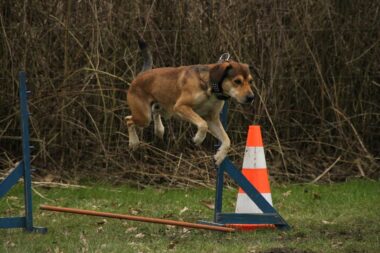
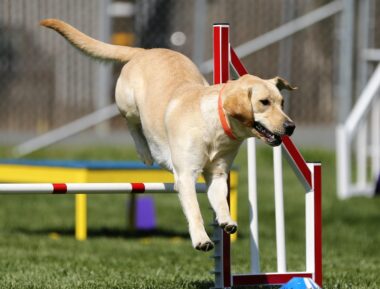
Understanding your dog’s exercise needs is essential for their overall well-being. As dogs age, their energy levels, health conditions, and physical abilities change significantly. Tracking a dog’s exercise progress helps owners adapt their workouts to ensure fitness without overexertion. A younger dog generally requires more vigorous activity, as they’re usually more energetic. Activities such as running, play, and agility training can engage them effectively. Tracking these forms of exercise is crucial to keep pace with their natural energy levels and enthusiasm. Conversely, senior dogs may not tolerate intense exercise and require shorter, gentler walks. Keeping an eye on their stamina is vital. The ideal exercise regimen for an older dog may involve leisurely walks and gentle play rather than high-intensity activities. Health issues, such as joint problems or heart conditions, also impact the kind of exercise a dog can safely enjoy. Consulting with a veterinarian ensures that exercise plans consider age, health, and breed. Overall, knowing how to track and adapt your dog’s exercise regimen effectively allows you to maintain their physical health and happiness throughout their life.
Using Activity Trackers for Monitoring Progress
Modern technology offers valuable tools to track your dog’s exercise effectively. Activity trackers specifically designed for pets can serve as excellent companions for monitoring your dog’s daily activities. These gadgets help assess the duration and type of activities your dog engages in and provide a comprehensive overview of their progress over time. Most wearables can be attached to a collar, making them comfortable for daily wear. They measure walking distance, active time, and even calories burned, which provides a deeper understanding of your dog’s fitness levels. Moreover, many of these devices come with accompanying smartphone apps that allow pet owners to analyze data continuously. Using these insights, owners can adjust exercise accordingly, addressing underactivity or overexertion. Feeding this data back into your exercise plans ensures they remain age-appropriate and catered to individual health needs. Reviews say that using an activity tracker gives owners peace of mind, as they know their dog is getting the right amount of exercise. Monitoring your dog’s progress thus becomes not only convenient but also a fun game for both owners and their dogs.
Signs Your Dog Needs More or Less Exercise
Observing your dog’s behavior can provide vital clues about their exercise requirements. Each dog is unique, resulting in varied signs indicating the need for more or less activity. If your dog exhibits excessive energy through restless behavior, such as pacing or nipping at furniture, it may signify the need for increased exercise. Similarly, if they engage enthusiastically in playtime and eagerly respond to outdoor adventures, they likely require more activity. However, watch for signals of fatigue; if your dog is lethargic post-exercise or seems hesitant to engage, it may be time to reduce intensity. Pay attention to their recovery times as well; extended rest periods might indicate higher levels of fatigue or discomfort. Those with health concerns might need tailored exercise plans involving lower intensity to ensure they don’t overexert. Regularly assessing your dog’s behavior enables adjustments to their routines, which should coincide with their age, health, and energy levels. Owners must foster an environment where dogs aren’t just active but enjoy their activity, avoiding stress and promoting an enjoyable bond during exercise.
Creating a Flexible Exercise Plan for Your Dog
Establishing a versatile exercise plan caters effectively to your dog’s evolving needs. A well-structured routine accommodates variations in exercise duration, intensity, and types of activities, ensuring they remain engaged and active at all life stages. Begin with a schedule that outlines daily routines, incorporating different activities such as walks, play, fetch, and training sessions. Flexibility becomes key as you adjust based on your dog’s response and energy levels. If your dog has moments of high energy, allow for more playtime or vigorous walks. However, during days when they seem less enthusiastic or show signs of fatigue, consider gentler alternatives like short walks or indoor games. Engaging with your dog actively is crucial for nurturing a connection while providing a healthy workout. It’s beneficial to introduce variety to prevent monotony; consider exploring new walking routes or trying different dog sports. Engaging in mental stimulation through training exercises also supplements their physical activities. This balance ensures an overall enriching experience while supporting their evolving health.
Consulting Professionals for Expert Guidance
Seeking professional advice concerning your dog’s exercise routine is often prudent, especially for older or health-issue-prone dogs. Veterinarians and certified dog trainers can offer personalized strategies that not only meet your dog’s exercise needs but also consider their age and health status. A thorough evaluation can help tailor fitness plans that cater specifically to your dog’s unique lifestyle. Trainers can recommend personalized workouts to target specific strengths or weaknesses. For example, a dog recovering from surgery might require rehabilitation exercises carefully prescribed. These professional services often include guidance on proper warm-up and cool-down techniques, reducing injury risk while maximizing effectiveness. Engaging professionals in creating a tailored exercise routine doesn’t only enhance your dog’s physical health; it also fosters a deeper understanding of overall wellbeing and temperament. The bond between owner and dog strengthens through shared activities based on expert advice. Moreover, attending specialized classes or group activities can introduce socialization aspects that significantly enrich your dog’s life. Reaching out for professional recommendations ensures your dog exercises confidently and safely.
Keeping an Eye on Weight Management
Monitoring your dog’s weight is crucial for their health and exercise strategy, significantly impacting their overall quality of life. Regularly tracking their weight and body condition score helps gauge whether they maintain a healthy weight. This becomes vital when adjusting exercise regimes, as both overweight and underweight dogs need specific exercise plans tailored accordingly. If your dog is overweight, maintaining a routine of increased activity and dietary restrictions can assist in gradual weight loss while ensuring safety and health. Increasing exercise intensity gradually while focusing on lowering calorie intake is essential for achieving balanced weight loss. Conversely, if your dog is underweight, modifications might require reducing activity while improving dietary quality, focusing on high-calorie, nutrient-rich food options. Addressing their respective conditions through targeted exercise plans enables dogs to stabilize their body weight while contributing to overall well-being. Additionally, integrating strength training can bolster muscle mass effectively. Ultimately, achieving and maintaining a healthy weight significantly enhances both longevity and quality of life, ensuring dogs lead fulfilling lives with optimal exercise.
Final Thoughts on Dog Exercise Tracking
In summary, effectively tracking your dog’s exercise progress is essential to shape a healthy lifestyle throughout their lifetime. Tailoring their routines based on age, energy levels, and current health conditions ensures they remain active and happy. Tools such as activity trackers provide invaluable insights, while behavioral observations help gauge exercise needs tailored to your dog’s unique disposition. Emphasizing flexibility in exercise plans accommodates fluctuations in energy and ability, fostering a love for activity while preventing boredom. Seeking professional advice from veterinarians and trainers can refine exercise strategies further, enhancing the experience for dogs and their owners alike. Furthermore, ensuring good nutrition forms a foundation supporting these physical activities, keeping dogs fit and healthy throughout their lives. A mutual understanding of physical requirements cultivates futher growth in the bond between pet and owner. Proper tracking and adjustment secure an emotionally fulfilling experience and significantly contribute to overall health and happiness. Investing time into this aspect of care ensures dogs lead fulfilling, active lives, remaining vital and energetic members of your family.
This comprehensive approach helps optimize the experience for both you and your dog.