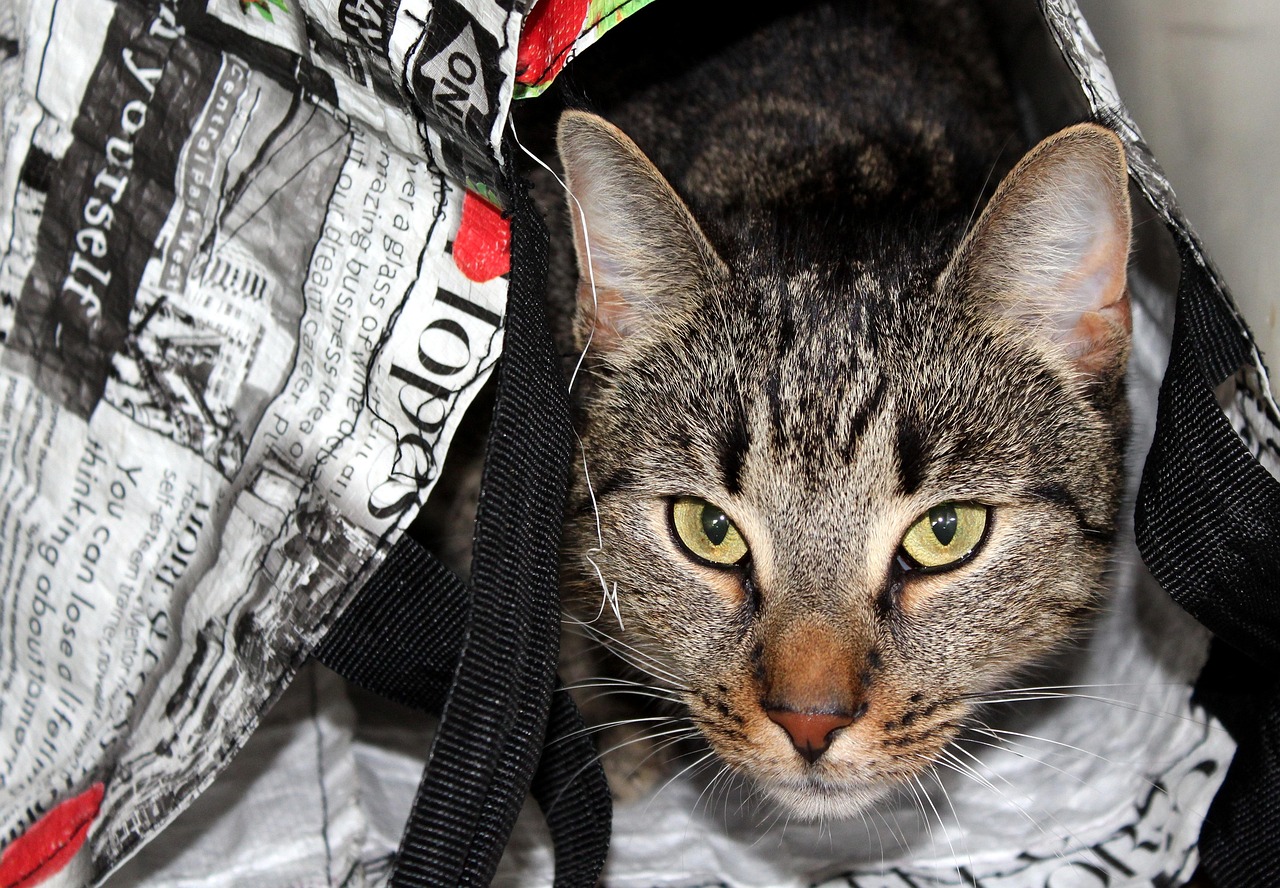

Behavioral Tips to Prevent Excessive Cat Hiding
Understanding why cats hide is critical for responsible pet ownership. Cats are known for their elusive behaviors, often retreating to hidden spaces. This tendency can be rooted in their evolutionary instincts, making them feel safer from predators. When cats feel threatened or stressed, they may seek solace in secluded areas. Identifying the triggers that lead to hiding is essential for addressing this behavior positively. Cats might also hide due to an overwhelming environment or changes, like relocating or adding another pet. To ease this, create a secure space for them. Ensure this space is quiet, comfortable, and has their favorite items. Make sure they have access to toys to promote engagement. Alongside a safe hiding space, maintain a regular routine. A consistent schedule for feeding and playtime reduces stress. It’s also important to observe their body language for signs of stress. If hiding continues, consider consulting a veterinarian or animal behaviorist. By fostering a safe environment and monitoring their wellbeing, you can help reduce excessive hiding and make your cat feel more secure and content in their home.
Another significant factor to consider is the importance of environmental enrichment. Cats thrive in a stimulating environment that offers opportunities for exploration and activity. Introducing interactive toys, climbing structures, scratching posts, and playtime with their owners can significantly reduce stress. Training your cat with clicker techniques can encourage them to emerge from their hiding spots. Providing opportunities for them to express their natural behaviors is crucial. Cats also love to observe their surroundings from safe vantage points, so consider providing window perches or high shelves. This allows them to explore visually without feeling threatened. Always ensure they have safe access to different areas of the house. Introducing more interactive and engaging elements within their environment can combat excessive hiding. Set aside time each day to bond with your cat through dedicated playtime. Cats, especially indoor ones, may need more stimulation than available. They might see humans as their primary source of entertainment. By prioritizing interaction and engagement, you can help alleviate the factors contributing to their excessive hiding behaviors.
Addressing Health Issues
Health issues in cats can lead to various behavioral changes, including hiding. If your cat suddenly starts to isolate itself more than usual, a visit to the veterinarian is essential. Various health problems can trigger this behavior, including dental pain, injuries, or infections that might not be immediately visible. Regular health check-ups allow you to keep track of your cat’s health and address any potential issues promptly. Older cats may hide due to age-related concerns such as arthritis, making movement painful. Additionally, a cat’s diet can affect its behavior. If they feel unwell, they may choose to hide rather than engage. It’s vital to monitor their eating and grooming habits. Sudden changes in these areas can indicate stress or illness. If a health concern is suspected, veterinary intervention is crucial for treatment. Remember to create a comfortable and supportive space during their recovery. Ensuring they feel safe and cared for can help your cat regain confidence and reduce the desire to hide excessively. This can lead to happier interactions and a more social feline companion.
Establishing trust with your cat is fundamental in preventing excessive hiding. Building a bond takes time, patience, and understanding. Every cat has a unique personality, and some may take longer to feel comfortable. To build this trust, allow your cat to approach you rather than forcing interaction. Utilize gentle vocal tones and slow movements. You can also use treats to encourage them to come out of hiding. Rewarding them for entering social spaces reinforces positive behavior. It’s important to recognize that some cats may need their own space, and that’s okay. Do not chase or intimidate them. Instead, create a calm atmosphere by offering quiet companionship. Gradually introduce them to new experiences and settings. If your cat exhibits fearful behavior, respect their boundaries. Encourage exploration while being mindful of marking territories. Provide positive reinforcement when they venture out. Being consistent and compassionate will help in fostering their confidence. Changes in demeanor should be noted as trust develops. A trusting relationship between you and your feline will significantly reduce their tendency to hide excessively.
Creating a Safe Space
Creating a safe environment is essential for reducing excessive cat hiding. Cats need a secure area where they can retreat when feeling stressed or unsafe. Designate a particular room or quiet corner with cozy bedding, toys, and fresh water. Choose a place where they can observe the household activities without feeling threatened. Placing their favorite items such as blankets or toys can create an inviting atmosphere. It’s also beneficial to add vertical spaces like cat trees for exploration. Having spots to climb will aid their natural instincts and can be calming. Additionally, ensure that this space is free from any loud noises or disturbances. Once established, don’t frequently change their safe area, as this can confuse them. Allow your cat to familiarize themselves with it at their own pace. Regularly check this space to ensure it’s clean and accessible. Provide enrichment activities like hidden treats or occasional interactive toys. The more secure they feel, the less likely they will hide out of fear. Creating an inviting habitat promotes relaxation and encourages confidence.
Another essential tip is identifying and minimizing stressors in your home. Environmental changes can make a cat feel unsafe, prompting hiding behaviors. Loud noises, the arrival of new guests, or even other pets can alarm a cat. Recognizing these stressors enables you to take proactive measures. If possible, create a quiet area away from the noise where your cat can escape. Play soothing music in their safe zone to help mask troubling sounds. Consistent routines for feeding and playing can provide stability. Cats often feel more secure when they know what to expect. If conflicts arise with other pets, consider separating them initially and introducing gradual interactions. You can use barriers like baby gates to give them a shared space without direct confrontation. In stressful times, using pheromone diffusers can also help calm anxious behavior. It’s vital to observe your cat’s reactions and adjust their environment accordingly. Ensure a balanced environment where they can feel relaxed and engaged promotes their well-being. Minimizing stressors contributes significantly to reducing excessive hiding behavior.
Conclusion
Preventing excessive hiding in cats involves a multifaceted approach including understanding their needs and behaviors. Recognizing the root causes of hiding allows you to address them effectively. Creating a comforting environment, regular vet visits, and building trust play crucial roles in promoting confidence. Identifying triggers and minimizing stress factors in your home can support your efforts. Engaging in quality playtime and fostering enrichment will keep your cat mentally stimulated. Whenever they seek solitude, provide them with a safe space to retreat while still encouraging interaction. Patience and consistent care can cultivate a happier, more secure cat. If persistent hiding remains an issue, consulting a pet behavior expert may be beneficial. Your efforts will positively impact their quality of life. With love and understanding, your cat can feel secure and supported, naturally reducing their desire to hide excessively. Observing, adjusting, and connecting will encourage a healthier relationship with your feline friend. In time, you can create an engaging, safe environment where your cat feels at ease and connected with you.